

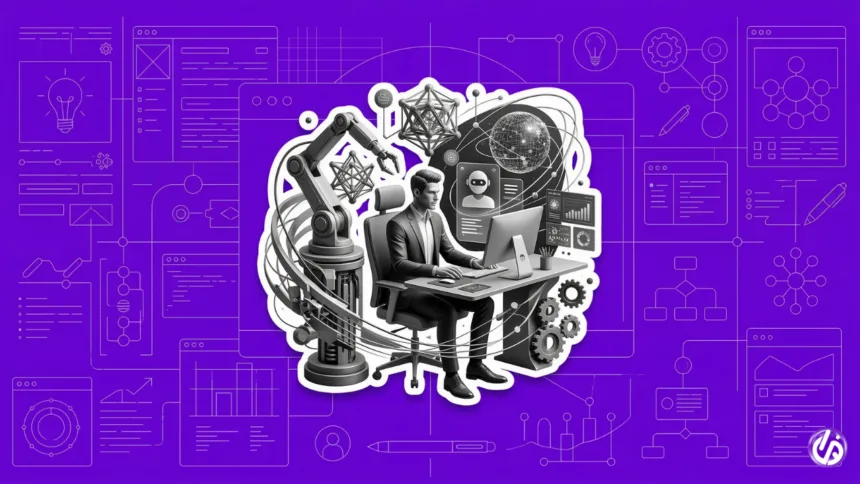

The world of business is evolving at an unprecedented pace, and automation is at the forefront of this transformation. Entrepreneurs, startups, and established companies alike are adopting intelligent workflows, AI-driven processes, and cloud-based automation tools to remain competitive. You may also like to read: How to Use n8n with MCP to Save Hours Every Week.
- 1. AI-Powered Workflow Automation
- 2. No-Code and Low-Code Platforms
- 3. Robotic Process Automation (RPA) Expansion
- 4. Hyper-Personalized Customer Automation
- 5. Automation-Integrated Cloud Platforms
- 6. AI-Generated Content Automation
- 7. Predictive Analytics and Automation
- 8. Automation for Remote Work
- 9. Smart Integration Between Apps
- 10. Voice-Activated Automation
- 11. Security and Compliance Automation
- 12. Automation in HR and Recruitment
- 13. IoT-Driven Automation
- 14. Hyper-Automated Sales Pipelines
- 15. Multi-Layered Automation Workflows
- 16. Automated Decision-Making in Finance
- 17. Integration of Automation with Collaboration Tools
- 18. Personalized Learning Automation
- 19. Automation for Sustainability
- 20. Ethical AI and Governance Automation
- The Big Picture: How Automation Will Transform Work
- Final Thoughts: Future-Proof Your Business
2026 will be a pivotal year, with automation reshaping how we work, make decisions, and scale businesses. Understanding these trends early can give you a strategic edge and unlock hours of productivity every week.
Here are the 20 automation trends in 2026 that will redefine workflows and operational efficiency.
1. AI-Powered Workflow Automation
Artificial intelligence is becoming integral to automation, with smart workflows capable of predicting tasks, detecting bottlenecks, and automating decision-making.
-
AI algorithms will prioritize tasks dynamically.
-
Predictive analytics will streamline operations.
-
Businesses will reduce manual oversight.
2. No-Code and Low-Code Platforms
By 2026, no-code platforms like n8n, Zapier, and Make will dominate, allowing non-technical teams to automate workflows without programming.
-
Faster deployment of business processes
-
Democratization of automation across departments
-
Lower reliance on IT resources
3. Robotic Process Automation (RPA) Expansion
RPA will continue to grow in finance, HR, and logistics. Bots will handle repetitive tasks like invoice processing, data entry, and report generation.
-
Reduced human error
-
Increased operational speed
-
Cost efficiency
4. Hyper-Personalized Customer Automation
Automation will deliver highly personalized customer experiences at scale.
-
AI-driven email campaigns and recommendations
-
Personalized chatbots and support systems
-
Real-time content adaptation based on user behavior
5. Automation-Integrated Cloud Platforms
Cloud services will integrate automation directly into infrastructure, enabling businesses to manage workflows, data, and apps from a single dashboard.
-
Centralized control of business operations
-
Improved collaboration across teams
-
Reduced setup complexity
6. AI-Generated Content Automation
Content creation will increasingly leverage AI, producing blogs, social posts, emails, and even multimedia.
-
Faster marketing campaigns
-
Consistent brand messaging
-
Scalable content production
7. Predictive Analytics and Automation
Automation systems will analyze historical data to predict trends, optimize supply chains, and enhance decision-making.
-
Improved forecasting accuracy
-
Proactive issue resolution
-
Data-driven workflow optimization
8. Automation for Remote Work
Distributed teams will rely on automated task management, notifications, and collaboration tools.
-
Automated time tracking and reporting
-
Task assignments based on workload
-
Seamless cross-time-zone workflows
9. Smart Integration Between Apps
Workflow automation will focus on interconnectivity, connecting multiple apps and services for seamless operations.
-
Unified dashboards
-
Reduced duplicate efforts
-
Enhanced cross-platform productivity
10. Voice-Activated Automation
Voice interfaces will enable hands-free task automation in meetings, CRM updates, and project management.
-
Faster execution of repetitive tasks
-
Reduced manual input
-
More natural interaction with automation tools
11. Security and Compliance Automation
Automation will handle security monitoring, compliance checks, and reporting, reducing risks for businesses.
-
Automatic threat detection
-
GDPR, HIPAA, and regulatory compliance monitoring
-
Real-time security alerts
12. Automation in HR and Recruitment
Recruitment workflows, candidate screening, and onboarding will become largely automated.
-
AI-based resume screening
-
Automated interview scheduling
-
Streamlined employee onboarding
13. IoT-Driven Automation
Smart devices will increasingly automate operations in retail, logistics, manufacturing, and smart offices.
-
Real-time monitoring and adjustments
-
Predictive maintenance for equipment
-
Automated supply chain updates
14. Hyper-Automated Sales Pipelines
Sales automation will become fully integrated with marketing, customer data, and lead scoring.
-
Automated follow-ups and reminders
-
Dynamic lead qualification
-
Data-driven sales strategies
15. Multi-Layered Automation Workflows
Businesses will adopt layered automation, combining RPA, AI, and workflow automation for complex processes.
-
Efficient end-to-end operations
-
Reduced need for human intervention
-
Scalable business systems
16. Automated Decision-Making in Finance
AI automation will manage invoicing, budgeting, and expense approvals.
-
Predictive cash flow management
-
Reduced processing time
-
Accurate financial reporting
17. Integration of Automation with Collaboration Tools
Platforms like Slack, Microsoft Teams, and Asana will feature advanced automation triggers.
-
Automatic status updates
-
Task allocation based on performance metrics
-
Streamlined team communication
18. Personalized Learning Automation
Companies will automate employee training using AI, personalized learning paths, and adaptive course delivery.
-
Skill gap analysis and learning recommendations
-
Automated progress tracking
-
Increased workforce efficiency
19. Automation for Sustainability
Businesses will use automation to optimize energy consumption, reduce waste, and enhance sustainability metrics.
-
Smart resource allocation
-
Automated environmental reporting
-
Operational cost reduction
20. Ethical AI and Governance Automation
As AI becomes central, automated governance systems will monitor bias, fairness, and ethical compliance.
-
Automated audits of AI workflows
-
Real-time transparency reporting
-
Risk mitigation strategies
The Big Picture: How Automation Will Transform Work
By 2026, automation is not just a tool — it’s a strategic business partner. Entrepreneurs leveraging these trends can:
-
Reclaim hundreds of hours of productivity
-
Reduce operational errors
-
Scale processes efficiently
-
Improve employee focus on strategic tasks
-
Deliver personalized experiences at speed
Companies that embrace these automation trends early will gain a significant competitive edge.
Final Thoughts: Future-Proof Your Business
Automation in 2026 isn’t optional — it’s essential. These 20 trends show that businesses that invest in intelligent workflows, AI integration, and no-code solutions will operate faster, smarter, and with more flexibility than ever before.
Book automation consulting with Sparktopus today.
Our team helps you implement cutting-edge workflow automation, integrate AI-driven processes, and optimize your operations — so you can focus on growth, strategy, and innovation.
The future of work is automated, efficient, and strategic. Make sure your business is ready.