

If you’ve ever bought something online, you’ve probably used a payment gateway without realizing it. Whether you’re purchasing a product, subscribing to a service, or paying an invoice, a payment gateway is often the technology working behind the scenes to process the transaction.
For business owners, understanding payment gateways is essential because they directly impact customer experience, sales conversions, and payment security.
What Is a Payment Gateway?
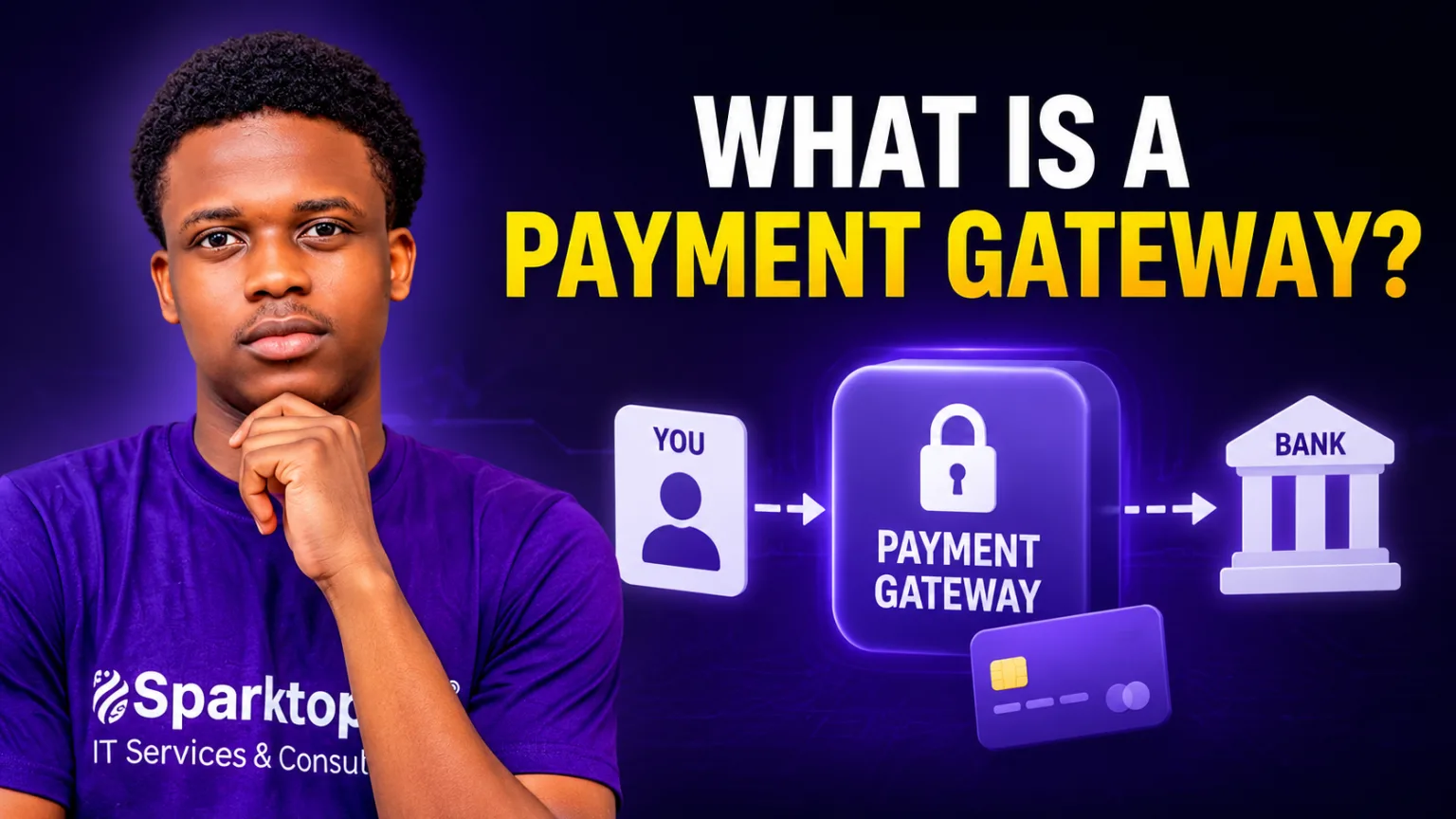
A payment gateway is a technology that securely transfers payment information between a customer, a merchant, and financial institutions during an online transaction.
Think of it as a digital bridge that helps move payment data safely from the buyer to the payment processor and then back with an approval or decline response.
Without a payment gateway, businesses would not be able to securely accept online card payments and many other digital payment methods.
Why Payment Gateways Are Important
Online customers expect transactions to be:
- Fast
- Secure
- Reliable
- Convenient
A payment gateway helps make this possible by handling the sensitive payment information required to complete a transaction.
For businesses, payment gateways help:
- Accept online payments
- Reduce fraud risks
- Improve customer trust
- Support multiple payment methods
- Enable global transactions
Without a reliable payment gateway, online sales become much more difficult.
How a Payment Gateway Actually Works
Although the process happens in seconds, several systems work together behind the scenes.
Step 1: Customer Enters Payment Details
The customer enters payment information at checkout.
This may include:
- Credit card details
- Debit card details
- Digital wallet information
- Bank payment information
The payment gateway securely captures this data.
Step 2: Data Is Encrypted
Before the payment information is transmitted, the gateway encrypts the data.
Encryption helps protect sensitive information from unauthorized access.
Step 3: Payment Request Is Sent
The payment gateway forwards the encrypted payment request to the payment processor and relevant financial institutions.
Step 4: Authorization Takes Place
The customer’s bank or card issuer verifies:
- Available funds
- Card validity
- Security checks
- Fraud detection rules
The transaction is either approved or declined.
Step 5: Response Is Returned
The approval or decline message is sent back through the payment gateway to the merchant’s website.
The customer sees the result almost instantly.
Step 6: Funds Are Settled
If approved, the funds are transferred through the payment network and eventually deposited into the merchant’s account.
Payment Gateway vs Payment Processor
These terms are often confused, but they serve different roles.
Payment Gateway
The gateway securely collects and transmits payment information.
Payment Processor
The processor facilitates communication between banks, card networks, and merchants to complete the transaction.
In many modern solutions, both services are provided together.
Common Payment Methods Supported
Modern payment gateways support a wide range of payment options, including:
- Credit cards
- Debit cards
- Mobile wallets
- Bank transfers
- Buy now, pay later services
- Digital payment platforms
Offering multiple payment methods can improve conversion rates and customer satisfaction.
Security Features of Payment Gateways
Security is one of the most important functions of a payment gateway.
Common security measures include:
- Data encryption
- Fraud detection systems
- Tokenization
- Secure authentication
- Risk monitoring
These features help protect both businesses and customers from fraud and data breaches.
Benefits for Businesses
A quality payment gateway can provide several advantages.
Better Customer Experience
A smooth checkout process reduces friction and encourages customers to complete purchases.
Higher Conversion Rates
Customers are more likely to buy when payment options are convenient and trustworthy.
Global Reach
Many payment gateways support multiple currencies and international transactions.
Automated Payment Processing
Businesses can process payments more efficiently without manual intervention.
Choosing the Right Payment Gateway
When evaluating payment gateways, businesses often consider:
- Transaction fees
- Security features
- Supported payment methods
- Integration capabilities
- International payment support
- Reliability and uptime
The right choice depends on the business model, target audience, and growth goals.
How Sparktopus Can Help
At Sparktopus, we help businesses build secure websites, eCommerce platforms, and digital solutions that integrate seamlessly with modern payment gateways. Whether you’re launching an online store, subscription platform, or service-based website, choosing and implementing the right payment solution is critical to long-term success.
Need help integrating a payment gateway into your website or application? Contact Sparktopus today and let our experts help you build a secure and scalable payment experience.
Final Insight
A payment gateway is one of the most important components of modern online commerce. It securely handles the flow of payment information, helps prevent fraud, and ensures customers can complete transactions quickly and safely.
For any business selling products or services online, understanding how payment gateways work is not just useful knowledge. It is a fundamental part of building a successful digital business.