

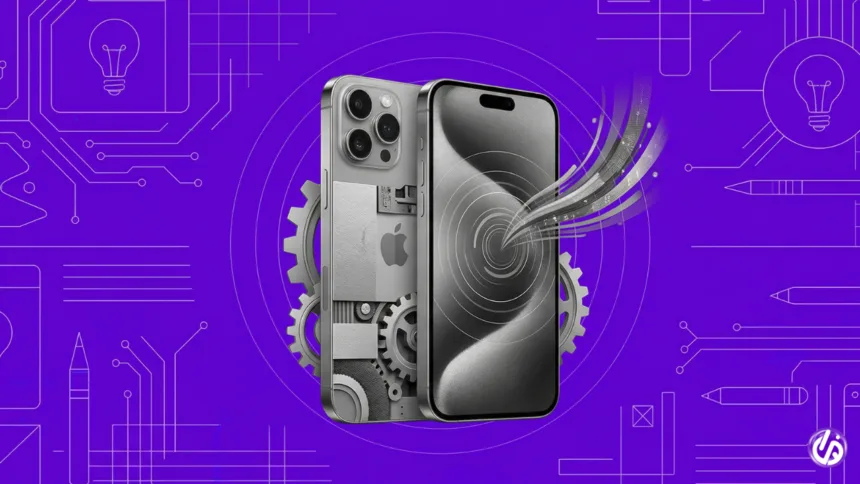

Apple isn’t just a technology company—they’re a master at influencing consumer behavior. From iPhones to MacBooks, Apple has perfected a system that makes people feel they must own their products. But how does Apple “brainwash” customers into buying, sometimes repeatedly, even when perfectly functional alternatives exist? Let’s break down the tactics behind Apple’s psychological grip.
1. Creating a Cult-Like Brand
Apple has cultivated one of the most loyal customer bases in the world. Their branding goes beyond features—it’s about identity. Owning Apple products signals innovation, status, and belonging to a community that values simplicity and elegance.
This is more than marketing; it’s psychological conditioning. Apple makes customers feel part of a larger movement, turning product purchases into an identity statement.
2. Scarcity and Anticipation
Apple carefully manages product launches to generate hype and urgency. Pre-orders, limited initial stock, and staged announcements create a fear of missing out (FOMO).
The psychology is clear: scarcity makes people act quickly and assign more value to what is difficult to obtain. Consumers line up for hours for new iPhones because they believe they’re exclusive and essential.
3. Psychological Anchoring
Apple’s pricing strategy is intentional. By positioning the latest iPhone or MacBook at a premium price, they set a mental benchmark for what “quality tech” should cost.
Anchoring makes other Apple products seem more reasonable in comparison, even when alternatives are significantly cheaper. Your brain interprets high price as high value—a trick Apple uses expertly.
4. Sleek Design and Minimalism
Apple’s products look, feel, and operate differently from competitors. Minimalist design, intuitive interfaces, and consistent aesthetics create the perception of superior quality.
This taps into sensory marketing: when products look and feel premium, consumers perceive them as more valuable and are more willing to spend. The design itself is a silent psychological cue to buy.
5. Emotional Storytelling
Apple doesn’t just sell devices—they sell experiences. Product launches are events; advertisements focus on lifestyle and emotions, not specs.
Every commercial or keynote is crafted to make users feel Apple products will enhance creativity, productivity, and personal identity. This emotional storytelling turns simple tech purchases into aspirational experiences.
6. Social Proof and Influencer Effect
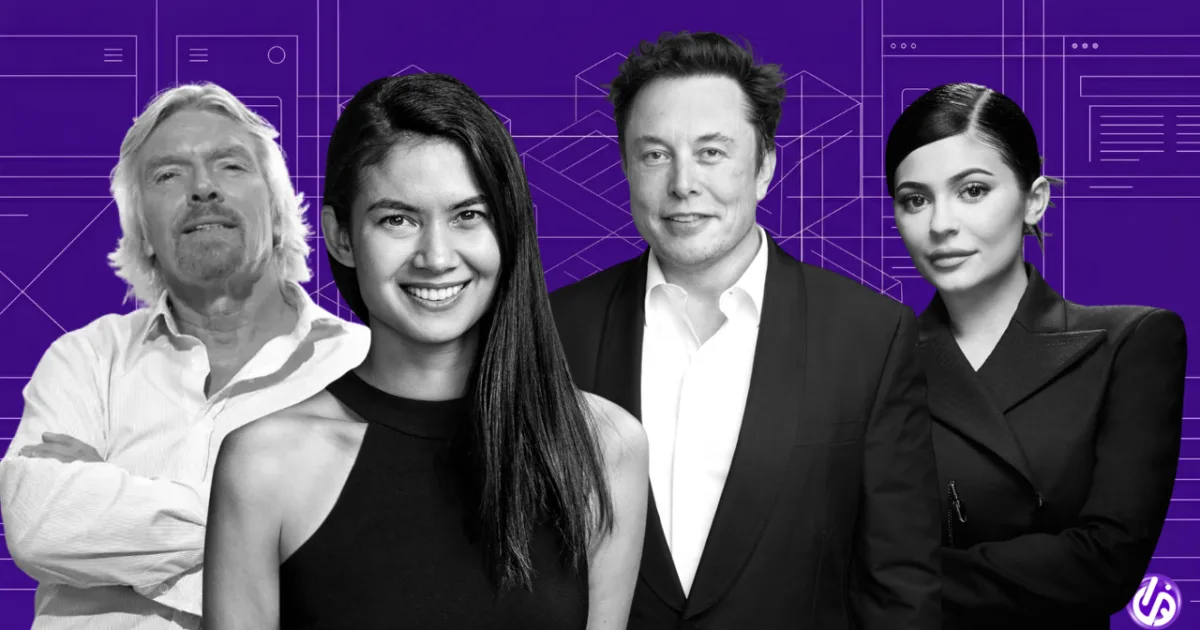
From celebrities to tech reviewers, Apple strategically positions influencers to promote products. Social proof tells consumers: “If everyone I admire is using it, I should too.”
This tactic amplifies desire and normalizes Apple ownership, reinforcing the perception that Apple products are essential to modern life.
7. Psychological Triggers
Apple uses subtle triggers to influence buying behavior:
- FOMO (Fear of Missing Out): Launches, limited stock, and hype generate urgency.
- Endowment Effect: Trying a device in-store or through a demo makes it feel like it belongs to you.
- Commitment Bias: Once you own one Apple product, you’re more likely to buy others due to ecosystem integration.
- Status Signaling: Apple products convey tech-savviness and success.
These triggers operate at a subconscious level, nudging consumers toward purchase decisions without overt pressure.
8. Ecosystem Lock-In
Apple’s ecosystem is genius marketing psychology. Once you own one device, you’re incentivized to buy more: iCloud, MacBooks, AirPods, Apple Watch—they all work seamlessly together.
This lock-in effect reduces friction for repeat purchases. Consumers pay a premium not just for the product, but for convenience, integration, and belonging.
9. Branding Over Functionality
Many Apple products are priced higher than competitors without offering proportionally superior specifications. But Apple isn’t selling specs—they’re selling the experience.
This distinction is key to understanding Apple’s influence: people buy what the brand represents rather than purely functional advantages.
10. How to Shop Smart
Awareness is your best defense:
- Question whether you need the product or just want the brand.
- Compare functionality with competitors.
- Recognize emotional triggers like FOMO, ecosystem lock-in, and social proof.
- Decide based on value, not just desire or identity signaling.
Apple’s genius lies in blending scarcity, storytelling, social proof, emotional branding, and ecosystem lock-in to influence buying decisions. Understanding these strategies helps you see how marketing can shape perception and behavior—even in a tech-savvy world. You may also like to read: How Rolex “Brainwashes” You to Buy a $100,000 Watch.
If you want to apply similar psychological marketing principles ethically to your business—creating desire, driving conversions, and boosting sales—Sparktopus can help. Book a consultation today and start making your products irresistible.