

Let’s strip away the fluff.
- 1. Stop Selling Features. Sell Consequences.
- 2. Make the Decision Feel Like a No-Brainer
- 3. Kill Objections Before They Exist
- 4. Use Specificity to Build Authority
- 5. Control the Frame of the Conversation
- 6. Make Your Offer Feel Exclusive
- 7. Stack Value Until the Price Feels Small
- 8. Use Social Proof as a Weapon
- 9. Engineer Urgency Without Sounding Desperate
- 10. Sell the Identity, Not Just the Outcome
- The Brutal Reality
- Final Thought: Sales Is a System, Not Talent
- Ready to Sell Like This?
Most people don’t fail at sales because their product is bad. They fail because they make buying feel like work.
And here’s the uncomfortable truth:
If your prospects are hesitating, questioning, or delaying… you’re not selling—you’re creating friction.
High-level sales isn’t about pressure. It’s about engineering a decision environment where saying “yes” feels obvious—and saying “no” feels irrational.
This is where sales psychology, persuasion techniques, and customer psychology converge.
Let’s break it down.
1. Stop Selling Features. Sell Consequences.
Amateurs sell what something is.
Professionals sell what happens if you don’t act.
Your prospect isn’t buying your product—they’re buying a better future or escaping a worse one.
Instead of saying:
“this service improves your website speed…”
Say:
“If your website stays slow, you’re losing customers every single day—and your competitors are taking them.”
That shift activates loss aversion, one of the most powerful persuasion triggers in customer psychology.
People move faster to avoid pain than to gain pleasure.
If your offer doesn’t clearly define the cost of inaction, your closing rate will always suffer.
2. Make the Decision Feel Like a No-Brainer
If someone has to “think about it,” you’ve already lost momentum.
Your job is to eliminate uncertainty so completely that the only logical response is yes.
You do this by stacking certainty:
- Clear outcomes
- Specific timelines
- Proof of results
- Risk reversal
For example:
“Within 30 days, we’ll increase your conversion rate—or you don’t pay.”
That’s not just a promise. That’s risk removal.
In high converting sales, certainty beats hype every time.
3. Kill Objections Before They Exist
Most people handle objections reactively. That’s weak.
Elite salespeople design their messaging so objections never arise.
Think about the common objections:
- “It’s too expensive”
- “I’m not sure it’ll work”
- “I need time to think”
Now pre-handle them:
- Price → Anchor against the cost of doing nothing
- Doubt → Show undeniable proof
- Delay → Introduce urgency tied to real consequences
When done right, objection handling becomes invisible.
The prospect feels understood before they even speak.
4. Use Specificity to Build Authority
Vague sells poorly. Precision sells aggressively.
Compare these:
❌ “We help businesses grow online”
✅ “We help service businesses increase leads by 35–60% in 60 days using conversion-focused web systems”
Which one sounds like it delivers results?
Specificity signals competence. Competence builds trust. Trust drives closing deals.
If your messaging is generic, your conversions will be average—at best.
5. Control the Frame of the Conversation
Whoever controls the frame controls the sale.
Most sellers put themselves in a position of approval—like they’re hoping the customer says yes.
That’s backwards.
You should be evaluating the prospect just as much as they’re evaluating you.
Example shift:
Instead of:
“Would you like to move forward?”
Say:
“Based on what you’ve told me, this only makes sense if you’re serious about fixing [problem]. Are you?”
Now the dynamic changes.
You’re not chasing—you’re qualifying.
This creates psychological pressure in a subtle but powerful way, increasing high converting sales outcomes.
6. Make Your Offer Feel Exclusive
Scarcity isn’t a gimmick. It’s a decision accelerator.
When something feels unlimited, people delay.
When it feels limited, they act.
But here’s the key:
Fake scarcity destroys trust. Real scarcity builds demand.
Examples:
- Limited onboarding slots per month
- Selective client acceptance
- Time-bound bonuses
If your offer is always available, you’re training people to procrastinate.
7. Stack Value Until the Price Feels Small
People don’t resist paying—they resist overpaying.
Your job is to make the perceived value dwarf the price.
Break down your offer into components:
- Core service
- Bonuses
- Support
- Guarantees
- Long-term benefits
Then frame it like this:
“You’re not just getting X—you’re getting A, B, C, and D… all designed to guarantee your result.”
This is how you dominate sales strategies—by shifting focus from cost to value.
8. Use Social Proof as a Weapon
People trust people more than they trust you.
If others are getting results, the risk feels lower.
But generic testimonials don’t cut it anymore.
Weak:
“This service is amazing!”
Strong:
“We increased our revenue by 42% in 2 months after implementing this.”
Specific proof removes doubt and accelerates increase conversions.
9. Engineer Urgency Without Sounding Desperate
Urgency isn’t about pressure—it’s about timing.
If there’s no reason to act now, people won’t.
Tie urgency to:
- Market conditions
- Opportunity windows
- Business losses
Example:
“Every week you delay, you’re losing potential customers to competitors who are already optimizing their systems.”
That’s not manipulation—that’s reality.
10. Sell the Identity, Not Just the Outcome
People don’t just buy results—they buy who they become.
You’re not selling a website.
You’re selling a business that looks credible, trustworthy, and dominant.
You’re not selling marketing.
You’re selling growth, authority, and market positioning.
When your offer aligns with someone’s desired identity, saying no creates internal conflict.
That’s where real persuasion happens.
The Brutal Reality
If people are comfortable saying no to you, one of these is broken:
- Your value isn’t clear
- Your offer isn’t compelling
- Your messaging lacks precision
- Your sales process has friction
Fix those, and everything changes.
Because when done right, sales doesn’t feel like convincing.
It feels like guiding someone to an obvious decision.
Final Thought: Sales Is a System, Not Talent
The best closers aren’t “naturally gifted.”
They follow structured sales strategies, understand customer psychology, and optimize every step of the buying journey.
If you want to dominate business growth, you don’t need more leads.
You need to convert the ones you already have—at a higher level.
You may also like to read: How to Influence Anyone Using Just a Few Simple Words.
Ready to Sell Like This?
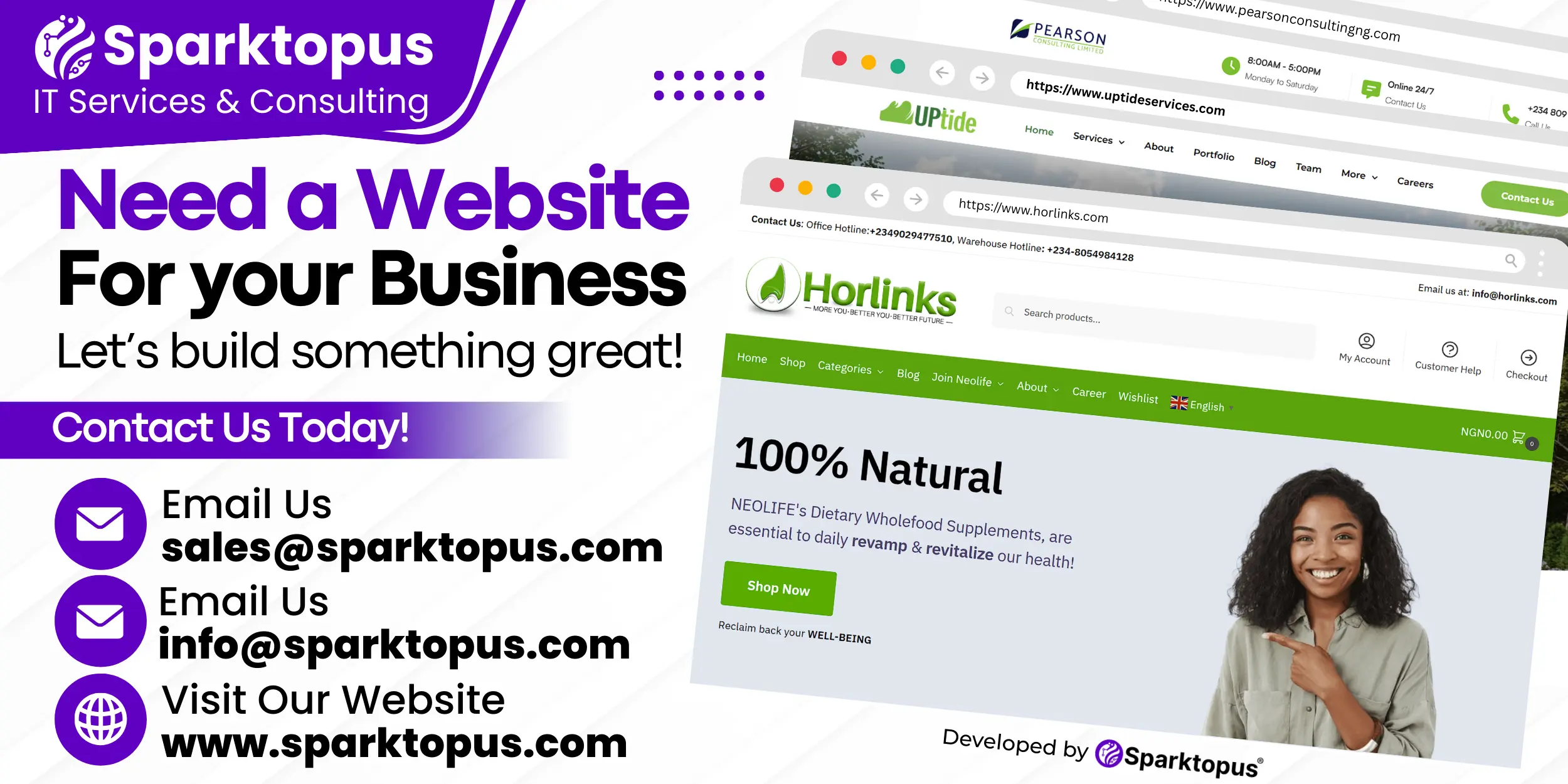
At Sparktopus, we don’t just build websites—we engineer high converting systems designed to turn visitors into paying customers.
From conversion-focused design to advanced persuasion techniques, everything we create is built for one purpose: results.
If you’re serious about scaling your business and increasing conversions, it’s time to stop guessing and start executing with precision.