


The way software is built has fundamentally changed. What used to take weeks of engineering effort can now be done in hours—or even minutes—thanks to AI builders. But here’s the problem: not all AI tools are built the same, and choosing the wrong one will cost you time, money, and momentum.
- Why AI Builders Matter More Than Ever
- Overview: Lovable vs Replit vs Manus
- Core Comparison: What Actually Matters
- 1. Ease of Use
- 2. Speed of Execution
- 3. Customization & Flexibility
- 4. Scalability
- 5. AI Intelligence & Automation
- The Real Use Cases (Where Each Tool Wins)
- When Lovable is the Best Choice
- When Replit is the Best Choice
- When Manus is the Best Choice
- Brutal Reality: Most Founders Choose Wrong
- Strategic Recommendation (No Fluff)
- Phase 1: Validation
- Phase 2: Development
- Phase 3: Scale & Automation
- The Hidden Factor: Execution > Tools
- Trends to Watch in 2026
- 1. AI-Native Startups
- 2. Solo Billion-Dollar Businesses
- 3. Death of Traditional Development Cycles
- 4. AI Agents Replacing Teams
- Final Verdict: Which AI Builder Wins?
- What This Means for Your Business
- Work With Sparktopus
If you’re serious about building products, scaling faster, and staying ahead of competitors, you need to understand the difference between Lovable, Replit, and Manus—three of the most talked-about AI builders in 2026.
This is not a surface-level comparison. We’re breaking down what actually matters: speed, scalability, usability, and real business impact.
Why AI Builders Matter More Than Ever
Before we compare tools, understand this: AI builders are not just “nice-to-have” tools anymore. They are leverage.
Entrepreneurs who master AI development tools:
- Launch products faster than competitors
- Reduce development costs dramatically
- Test ideas without hiring full teams
- Iterate based on real data, not assumptions
If you’re still thinking like it’s 2020—waiting for developers, writing long specs—you’re already behind.
Overview: Lovable vs Replit vs Manus
Let’s define each tool clearly:
1. Lovable
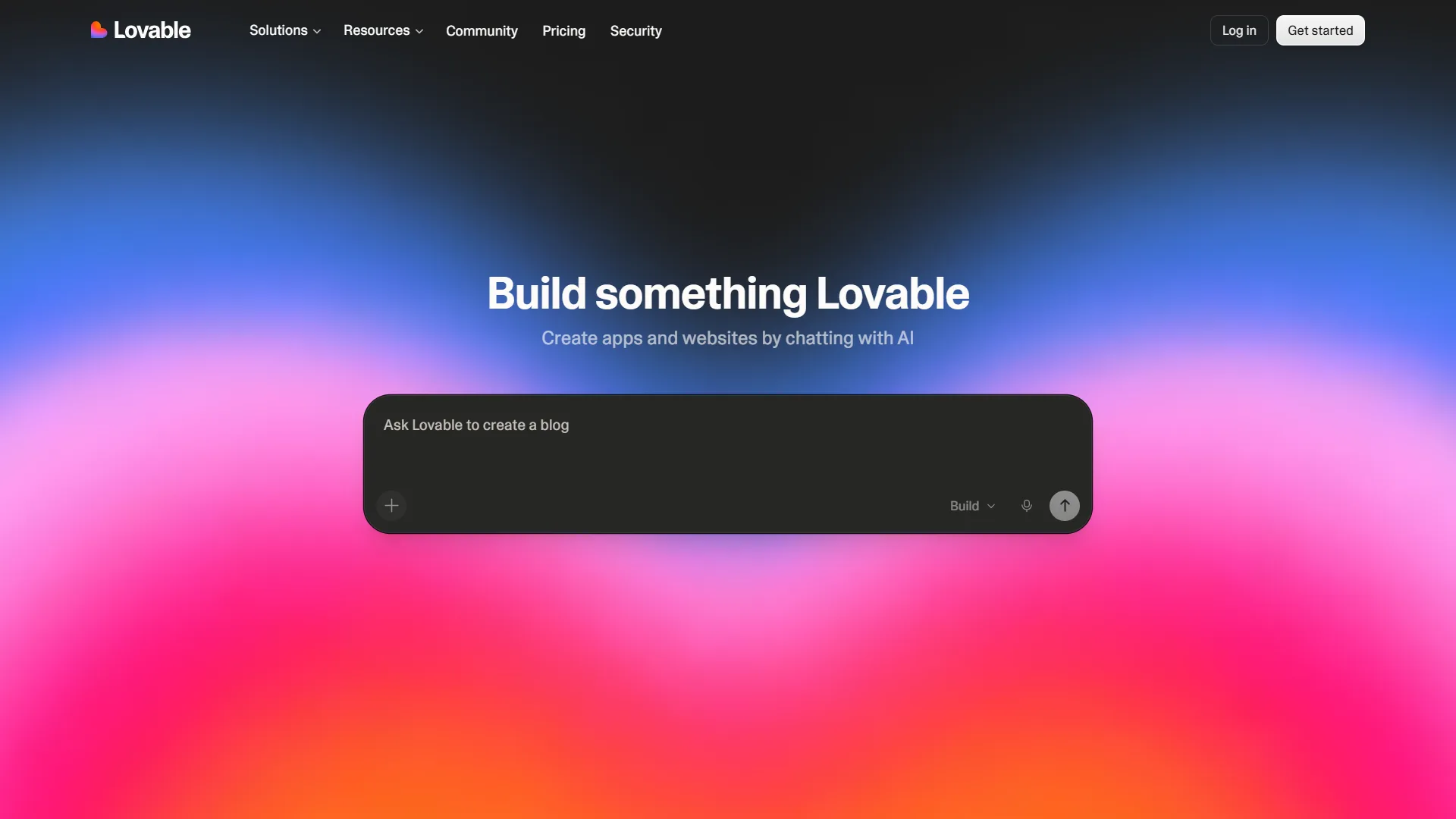
Lovable is built for non-technical founders who want to turn ideas into working apps instantly. It focuses heavily on simplicity and user experience.
Positioning: Idea → App in minutes
2. Replit
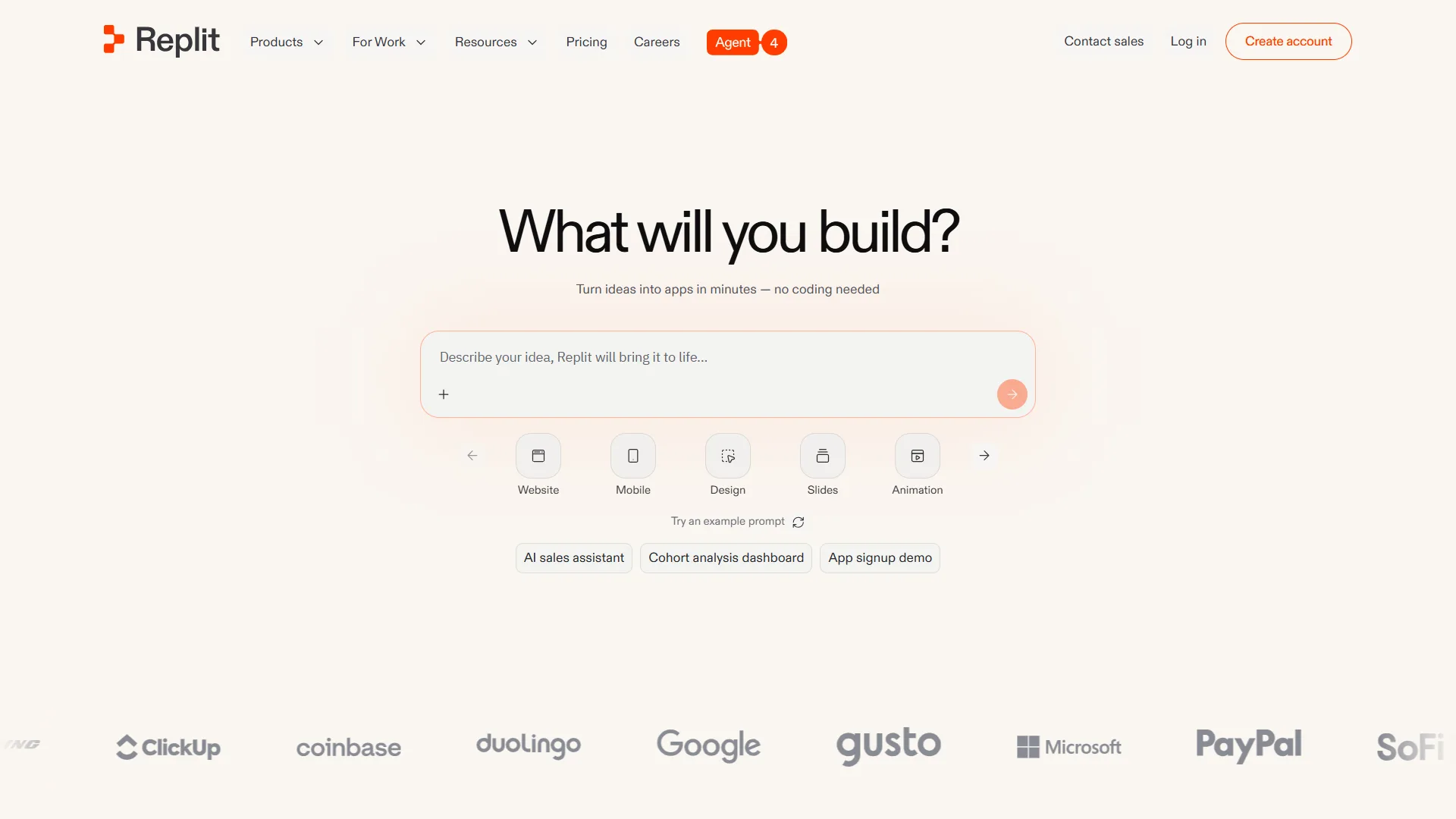
Replit is a developer-first platform that evolved into an AI-powered coding environment. It combines coding, hosting, and AI assistance in one place.
Positioning: Full-stack development with AI acceleration
3. Manus
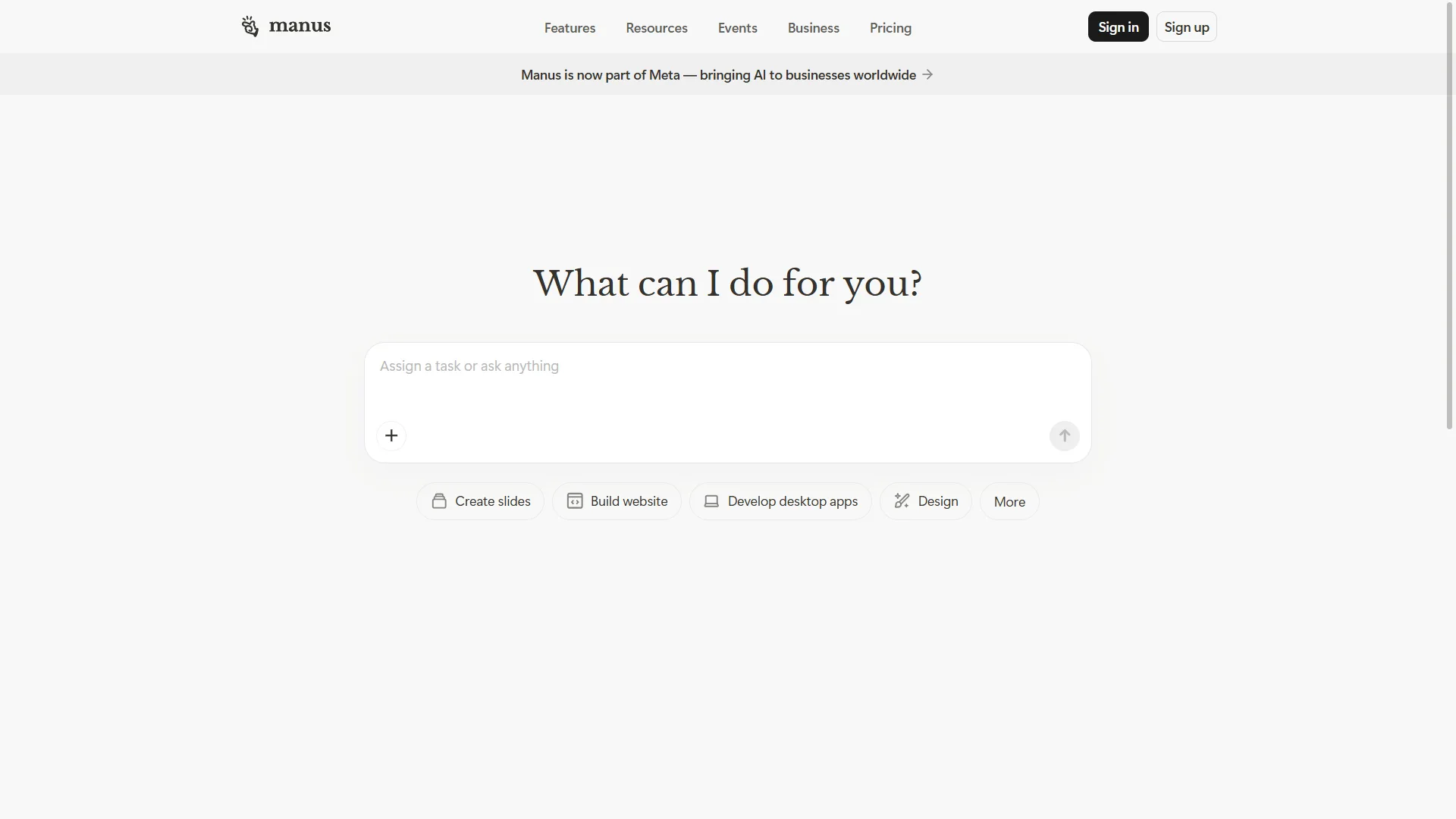
Manus is an emerging AI agent-based builder designed to automate entire workflows, not just generate code. It’s more like having a digital developer team.
Positioning: Autonomous AI software creation
Core Comparison: What Actually Matters
1. Ease of Use
- Lovable: Extremely beginner-friendly. You describe what you want, and it builds it. Minimal friction.
- Replit: Moderate learning curve. You still need some understanding of code or logic.
- Manus: Complex but powerful. Requires strategic thinking more than technical skill.
Verdict:
If you can’t code, Lovable wins. If you can think in systems, Manus becomes interesting.
2. Speed of Execution
- Lovable: Fastest for MVPs. You can go from idea to product in minutes.
- Replit: Fast for developers. Slower than Lovable for beginners.
- Manus: Potentially fastest long-term, but setup takes time.
Reality check:
Speed isn’t just about output—it’s about iteration. Lovable dominates early-stage speed, but Manus may dominate at scale.
3. Customization & Flexibility
- Lovable: Limited customization. Great for simple apps, weak for complex systems.
- Replit: Highly flexible. You can build almost anything.
- Manus: Extremely flexible but depends on how well you guide the AI.
Verdict:
Replit is the safest choice for flexibility. Manus is the wildcard.
4. Scalability
- Lovable: Not built for large-scale systems (yet).
- Replit: Scales well with proper architecture.
- Manus: Designed for scaling automation and systems.
Hard truth:
If your goal is a serious startup, Lovable alone won’t cut it long-term.
5. AI Intelligence & Automation
- Lovable: Focused on generation, not deep automation.
- Replit: Strong AI coding assistant, but still human-guided.
- Manus: Built around autonomous AI agents.
Verdict:
Manus is ahead here. It’s not just assisting—it’s acting.
The Real Use Cases (Where Each Tool Wins)
When Lovable is the Best Choice
Use Lovable if:
- You’re validating an idea quickly
- You don’t have technical skills
- You need a prototype for investors
- Speed matters more than perfection
Example:
Landing pages, simple SaaS tools, quick MVPs.
When Replit is the Best Choice
Use Replit if:
- You want control over your product
- You’re building a real startup
- You have basic coding knowledge
- You need deployment + development in one place
Example:
Full SaaS platforms, APIs, scalable apps.
When Manus is the Best Choice
Use Manus if:
- You want automation at scale
- You’re building systems, not just apps
- You think in workflows and processes
- You want AI to handle execution
Example:
AI-powered businesses, automation engines, internal tools.
Brutal Reality: Most Founders Choose Wrong
Here’s where most entrepreneurs fail:
- They pick tools based on hype, not strategy
- They overestimate their technical ability
- They underestimate scalability needs
- They chase “cool” instead of “useful”
If you pick Lovable for a long-term SaaS, you’ll rebuild everything later.
If you pick Replit without understanding code, you’ll get stuck.
If you pick Manus without clarity, you’ll create chaos.
Strategic Recommendation (No Fluff)
If you’re serious about building a business, not just playing with AI:
Phase 1: Validation
Use Lovable
→ Build fast
→ Test ideas
→ Get feedback
Phase 2: Development
Move to Replit
→ Build real infrastructure
→ Add features
→ Improve performance
Phase 3: Scale & Automation
Integrate Manus
→ Automate workflows
→ Reduce human effort
→ Scale operations
That’s the winning stack.
Anything else is inefficient.
The Hidden Factor: Execution > Tools
Let’s be blunt.
The tool doesn’t matter if:
- You don’t understand your market
- You don’t solve real problems
- You don’t execute consistently
AI builders amplify your ability—but they don’t replace strategy.
A mediocre idea built fast is still mediocre.
Trends to Watch in 2026
This space is evolving aggressively. Here’s what’s coming:
1. AI-Native Startups
Companies will be built entirely by AI-assisted workflows.
2. Solo Billion-Dollar Businesses
One person + AI = full company infrastructure.
3. Death of Traditional Development Cycles
Weeks → Hours
Months → Days
4. AI Agents Replacing Teams
Manus-style systems will dominate operations.
Final Verdict: Which AI Builder Wins?
There is no single winner—only the right tool for the right stage.
- Best for Beginners: Lovable
- Best for Builders: Replit
- Best for Scale: Manus
If you’re looking for one tool to rule them all, you’re thinking wrong.
The smartest founders combine them.
What This Means for Your Business
You have two options:
- Keep doing things the old way and fall behind
- Leverage AI builders and move faster than 99% of your competition
There’s no middle ground anymore.
You may also like to read: How to Get Ahead of 99% of People Using AI.
Work With Sparktopus
Knowing these tools is one thing. Using them effectively to build a profitable business is another.
That’s where Sparktopus comes in.
We don’t just “use AI tools”—we design systems that:
- Turn ideas into scalable digital products
- Automate operations using advanced AI workflows
- Build high-performance websites and applications
- Position your business for long-term growth
If you’re serious about building something that lasts—not just experimenting—then it’s time to act.
Book a service with Sparktopus today and let’s build something that actually scales.