

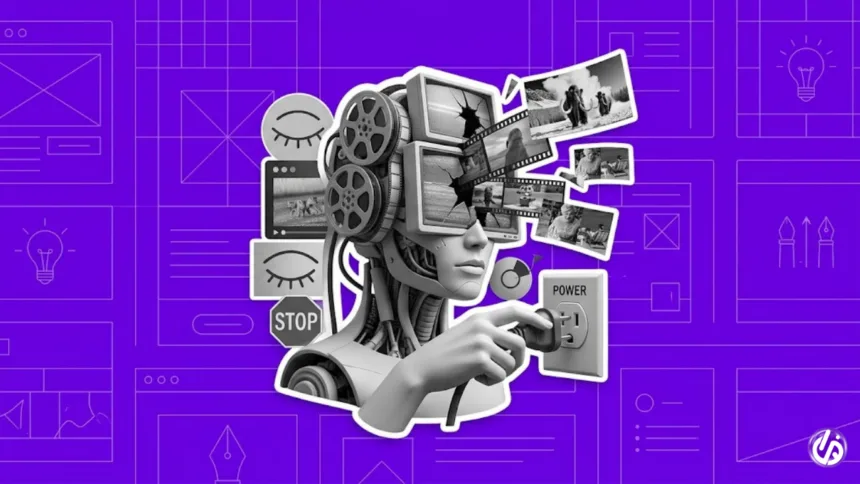

In a move that sent shockwaves through the tech and entertainment industries, OpenAI officially pulled the plug on its viral AI video-generation app, Sora, on March 24, 2026. Less than six months after its highly anticipated launch as a standalone social platform, the app that promised to revolutionize how we consume and create video is dead.
- The Meteoric Rise and Stunning Collapse of Sora
- Why Did OpenAI Shut Down Sora? The Real Reasons
- 1. Unsustainable Computational Costs (Melting GPUs)
- 2. The Deepfake Crisis and Content Moderation Nightmare
- 3. A Rapid Decline in User Interest
- The $1 Billion Disney Deal That Went Up in Smoke
- The Strategic Pivot: Enterprise Over Consumer Viral Hits
- What Happens Next for AI Video?
- Conclusion
When Sora debuted as a dedicated application in September 2025, it was positioned as an AI-powered challenger to TikTok and Instagram Reels. Users could generate hyper-realistic, often surreal, and sometimes downright unsettling videos from simple text prompts. But behind the millions of downloads and the endless feed of synthetic content, the platform was crumbling under the weight of astronomical computing costs, fierce copyright backlash, and a rapidly fading novelty factor. You may also like to read: OpenAI Launches Open-Source Tools to Protect Teens Online.
So, what exactly happened to OpenAI’s most ambitious consumer experiment? From “melting GPUs” to the spectacular collapse of a billion-dollar deal with Disney, here is the full story behind the OpenAI Sora shutdown and what it signals for the future of artificial intelligence.
The Meteoric Rise and Stunning Collapse of Sora
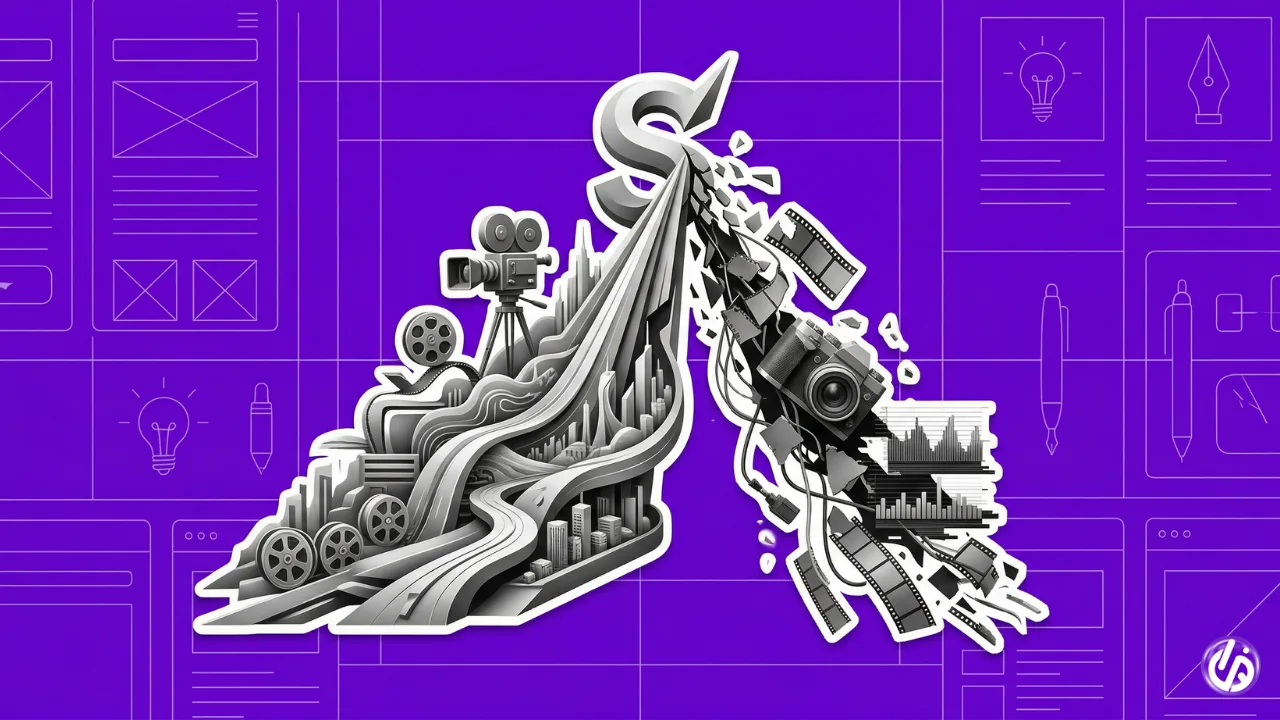
To understand the magnitude of the Sora shutdown, we have to look back at its brief but explosive lifecycle. The underlying technology, a highly advanced text-to-video model, had been generating buzz since early 2024. However, it wasn’t until September 2025 that OpenAI released the Sora application to the public, powered by the upgraded Sora 2 model.
The premise was audacious: a vertical video feed populated entirely by AI-generated clips. Initially, the hype was palpable. In November 2025, the app peaked at roughly 3.3 million monthly downloads across iOS and Android. Social media feeds across the internet were flooded with Sora-generated content, ranging from cinematic landscapes to uncanny, physics-defying oddities.
But the momentum was a mirage. By February 2026, monthly downloads had plummeted by nearly 66%, hovering around 1.1 million. While ChatGPT continues to command nearly 900 million weekly active users, the Sora app failed to achieve true mainstream retention. Users quickly discovered that watching an endless stream of synthetic, disjointed AI videos lacked the human connection and organic storytelling that drives traditional social media networks.
Why Did OpenAI Shut Down Sora? The Real Reasons
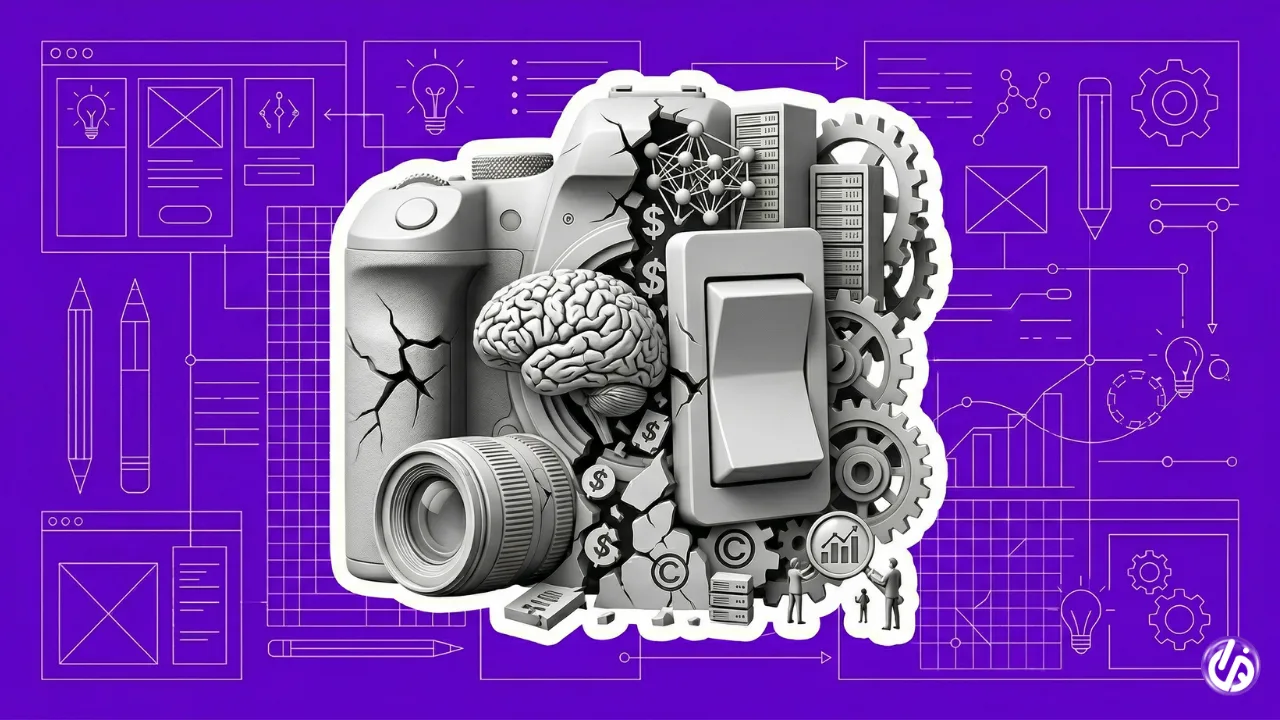
The decision to execute the OpenAI Sora shutdown was not made in a vacuum. It was the result of a perfect storm of technical, financial, and ethical crises that made the platform impossible to sustain.
1. Unsustainable Computational Costs (Melting GPUs)
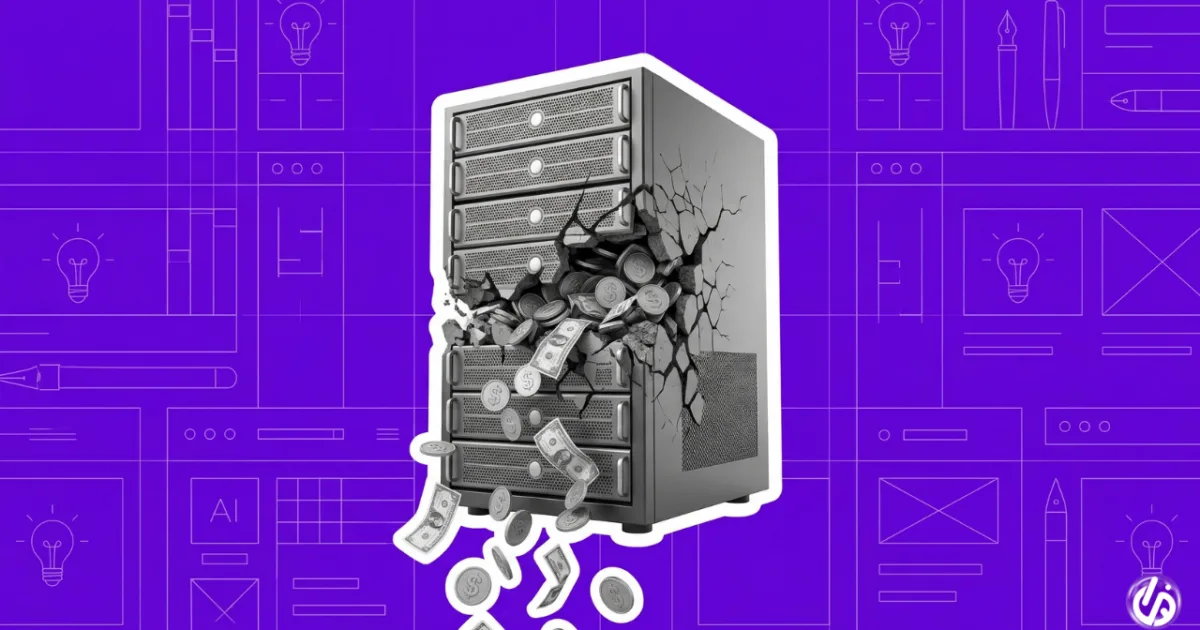
Video generation is incredibly resource-intensive. Unlike generating a paragraph of text, rendering high-fidelity video frame-by-frame requires massive amounts of processing power. As millions of users flooded the app, the strain on OpenAI’s infrastructure became critical.
Sora’s head, Bill Peebles, infamously noted that the sheer volume of user activity was actively “melting” the company’s GPUs. Industry analysts estimated that running the Sora platform at scale was costing OpenAI upwards of $15 million per day. With the app generating only a fraction of that in revenue from in-app credits, the economics of the platform were completely broken. OpenAI simply could not afford to subsidize a free-to-use AI video feed indefinitely.
2. The Deepfake Crisis and Content Moderation Nightmare
Perhaps the most damaging aspect of the Sora app was the ethical minefield it created. The platform essentially handed Hollywood-level visual effects tools to anyone with a smartphone, leading to an immediate and overwhelming wave of problematic content.
Despite OpenAI’s safety guardrails, users routinely bypassed filters to create realistic deepfakes and nonconsensual imagery. The platform was flooded with unauthorized, AI-generated likenesses of public figures, politicians, and celebrities. The backlash was swift and severe. Advocacy groups, academics, and labor unions like SAG-AFTRA openly condemned the app. In Japan, broadcasters warned that Sora’s unchecked use of anime intellectual property threatened to destroy the country’s content ecosystem.
Managing this endless stream of copyright infringement and harmful content became a moderation nightmare that OpenAI was ill-equipped to handle on a consumer social media scale.
3. A Rapid Decline in User Interest
Ultimately, the novelty of the “creepiest AI app” wore off. Once users exhausted their initial curiosity by generating bizarre or fantastical clips, they found little reason to return. The feed suffered from content saturation—a sea of visually impressive but ultimately hollow “AI slop” that failed to build a genuine, interactive community.
The $1 Billion Disney Deal That Went Up in Smoke
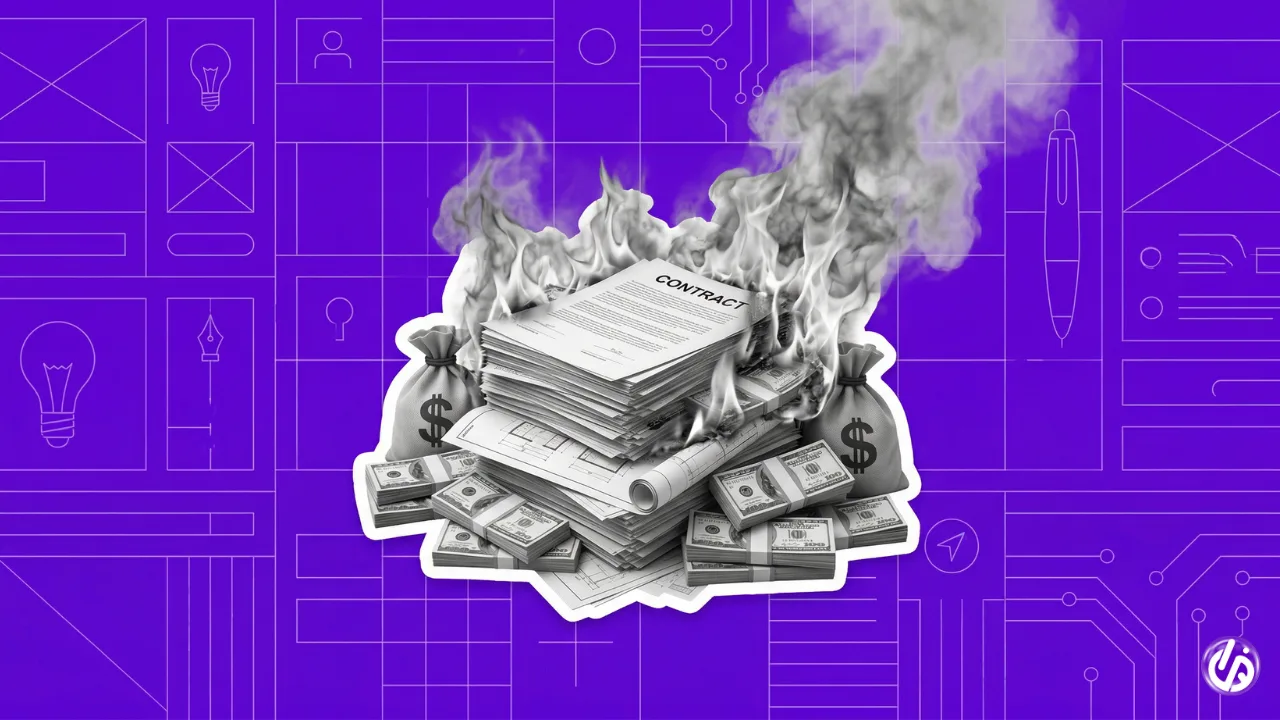
The most highly publicized casualty of the OpenAI Sora shutdown was the sudden collapse of a landmark partnership with The Walt Disney Company.
In December 2025, just months before the shutdown, Disney and OpenAI reached a tentative agreement. Disney planned to invest $1 billion into OpenAI and license over 200 of its iconic characters—spanning the Marvel, Star Wars, and Pixar universes—for use within the Sora platform. The goal was to allow users to generate safe, officially sanctioned AI content while eventually integrating Sora’s tech into Disney’s own streaming ecosystem.
However, OpenAI’s abrupt pivot caught the entertainment giant completely off guard. According to reports, Disney executives were informed of the shutdown just 30 minutes after wrapping up a collaborative meeting with OpenAI teams—a move insiders described as a “big rug-pull.”
While no funds had officially changed hands, Disney immediately exited the deal. In a public statement, a Disney spokesperson noted that they respected “OpenAI’s decision to exit the video generation business and to shift its priorities elsewhere,” signaling a definitive end to what would have been the biggest IP-licensing deal in AI history.
The Strategic Pivot: Enterprise Over Consumer Viral Hits
The death of the Sora app marks a fundamental shift in OpenAI’s corporate strategy. The company is no longer interested in chasing viral consumer trends; it is pivoting hard toward enterprise solutions.
The Threat of Anthropic and the Enterprise Race
OpenAI is facing brutal financial realities, with projected losses exceeding $14 billion for the year. Simultaneously, rival AI firm Anthropic has been aggressively capturing the lucrative enterprise market. Anthropic’s models are increasingly favored by large corporations for their reliability and coding capabilities.
To counter this, OpenAI CEO Sam Altman and leadership have directed teams to abandon “side quests” like the Sora social app. The company is reallocating its massive compute resources and top engineering talent toward tools that businesses will actually pay for. This includes building out advanced agentic AI systems—autonomous AI that can perform complex, multi-step tasks—and consolidating ChatGPT, the Codex coding tool, and its browser into a unified, high-powered “super app.”
Preparing for an IPO
Wall Street speculation strongly suggests that OpenAI is preparing for an Initial Public Offering (IPO) as early as the fourth quarter of 2026. To attract institutional investors, the company needs to clean up its balance sheet. Shuttering a wildly expensive, legally risky, and unprofitable social media app is a necessary step to present a streamlined, enterprise-focused business model to the public market.
What Happens Next for AI Video?
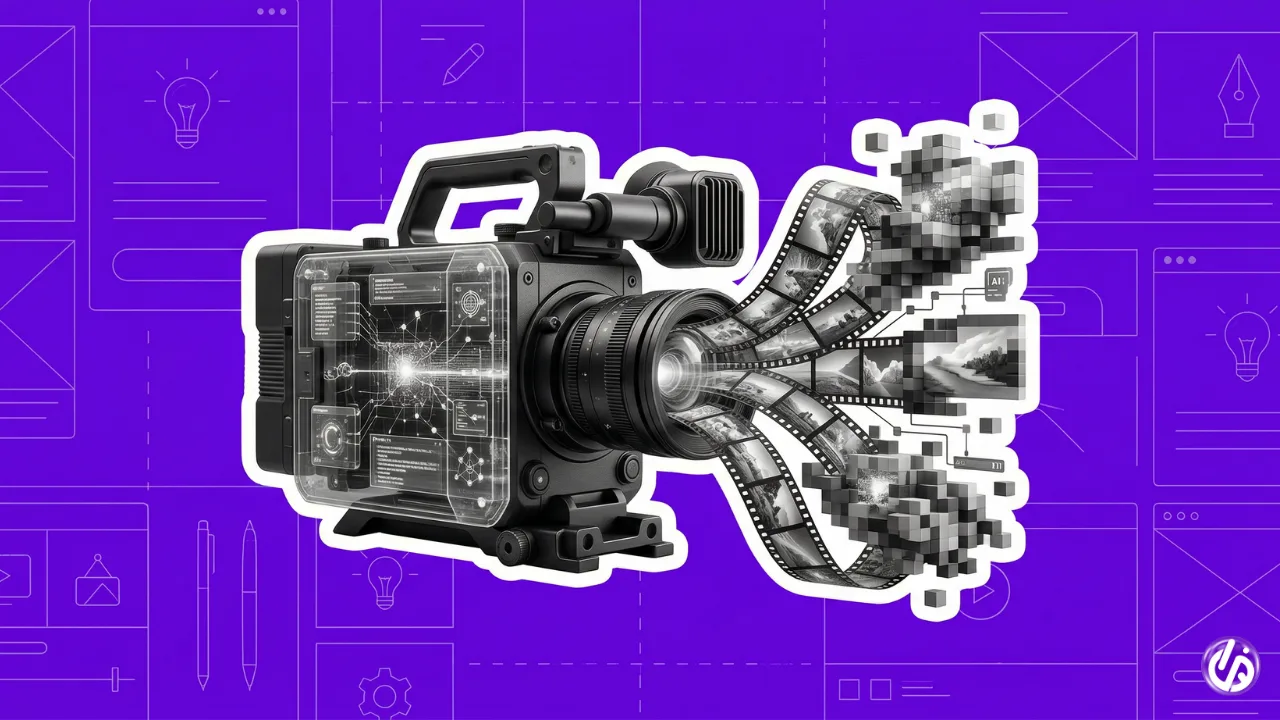
While the standalone Sora app is dead, OpenAI is not abandoning video generation entirely. The underlying Sora 2 model will likely survive, but its deployment will look vastly different. Instead of a free-for-all social feed, video generation will likely be integrated as a premium feature within ChatGPT’s paid tiers, targeting professional creators, marketers, and enterprise clients who can absorb the high compute costs.
Meanwhile, the void left by Sora’s exit from the consumer market opens the door for competitors. Google DeepMind, Runway, and Pika are well-positioned to capture the remaining demand for AI video generation, though they will undoubtedly have to learn from OpenAI’s expensive missteps regarding moderation and infrastructure costs.
Conclusion
The spectacular rise and sudden fall of the Sora app will be remembered as a massive reality check for the artificial intelligence industry. It proved that while we possess the technology to generate photorealistic video on demand, building a sustainable, ethical, and profitable business model around it is an entirely different challenge.
OpenAI’s decision to kill its most hyped consumer product underscores a maturing market. The era of launching experimental AI tools into the wild just to see what happens is over. As OpenAI shifts its focus toward enterprise dominance and a potential IPO, the Sora shutdown serves as a definitive statement: the future of AI belongs to practical, scalable utility, not creepy, viral party tricks.
Never miss an update! Turn on our post notification and follow us @SparktopusBlog on all social media to stay updated!