



Artificial intelligence is often presented as the most lucrative technological revolution of our time. Yet behind the hype, many AI companies are losing massive amounts of money—in some cases, billions annually.
- 1. The Cost of Training AI Models Is Extremely High
- 2. Inference Costs Scale Faster Than Revenue
- 3. Aggressive Pricing Wars Are Destroying Margins
- 4. Heavy Dependence on Venture Capital
- 5. Infrastructure Bottlenecks Are Expensive to Fix
- 6. Overinvestment in Research Without Immediate ROI
- 7. Low Conversion from Users to Paying Customers
- 8. Competition from Open-Source AI
- 9. Long Payback Cycles in AI Business Models
- The Core Truth: AI Is a Scale Game, Not a Profit Game (Yet)
- What Happens Next?
- Final Insight
This isn’t a contradiction. It’s a structural issue. The economics of AI are still unstable, and most companies are operating in a high-cost, low-margin environment while racing for market dominance. You may also like to read: Why OpenAI Is Losing So Much Money Right Now.
Below is a clear breakdown of why so many AI companies are bleeding cash right now.
1. The Cost of Training AI Models Is Extremely High
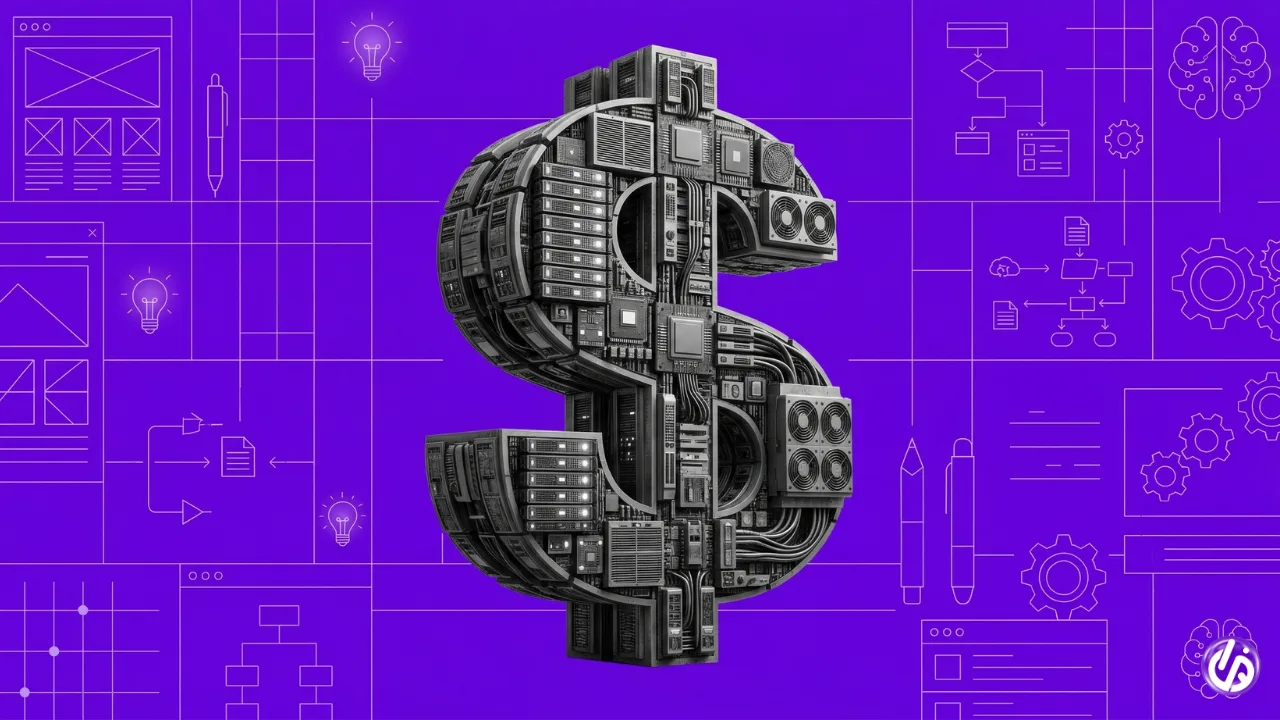
Modern AI systems require massive computational resources to build.
Training large models involves:
-
Thousands of high-end GPUs
-
Months of continuous processing
-
Huge energy consumption
-
Expensive engineering teams
Even a single frontier model can cost tens or hundreds of millions of dollars to train.
Companies like OpenAI and Google spend enormous sums developing and refining their models before they generate any meaningful revenue.
This creates a fundamental imbalance: costs come first, revenue comes later (if at all).
2. Inference Costs Scale Faster Than Revenue
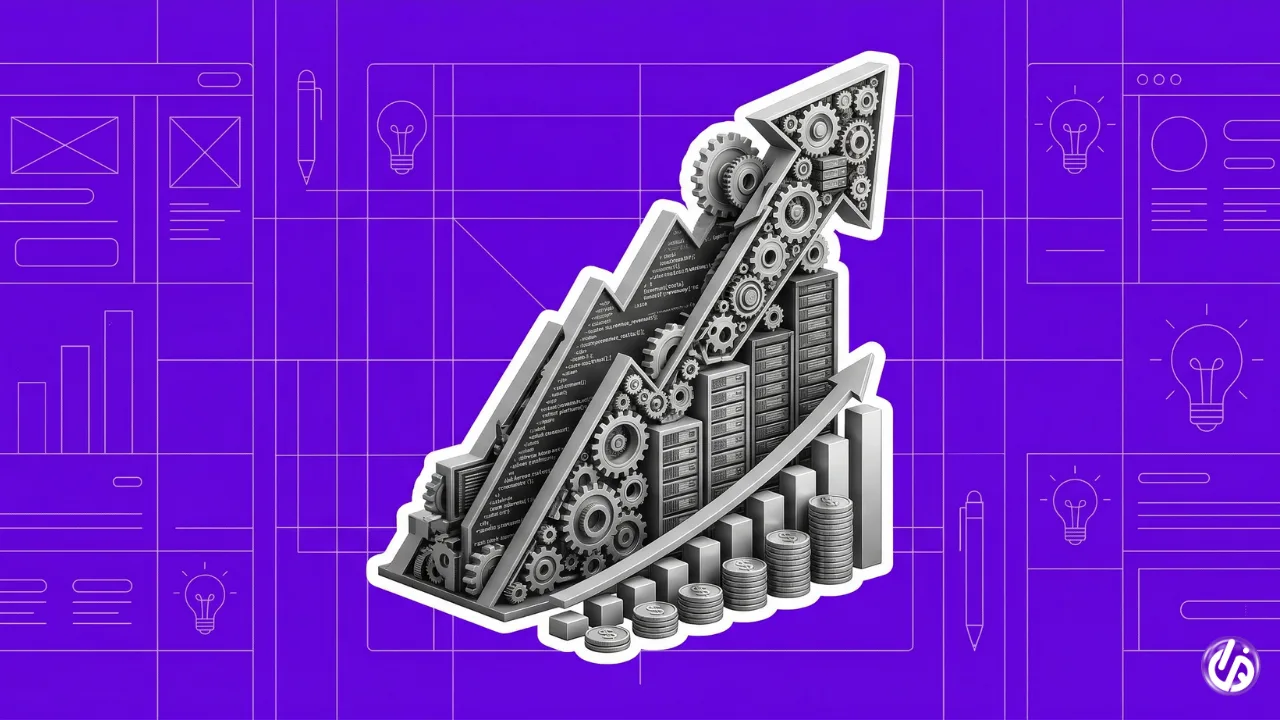
Training is only the beginning. The real ongoing cost is inference—the process of running AI models for users.
Every query to an AI system requires:
-
GPU compute time
-
Memory allocation
-
Power and cooling infrastructure
If usage scales quickly, costs scale even faster.
Many AI companies face a painful reality:
More users can actually mean more losses.
This is especially true when pricing models are flat or heavily discounted.
3. Aggressive Pricing Wars Are Destroying Margins
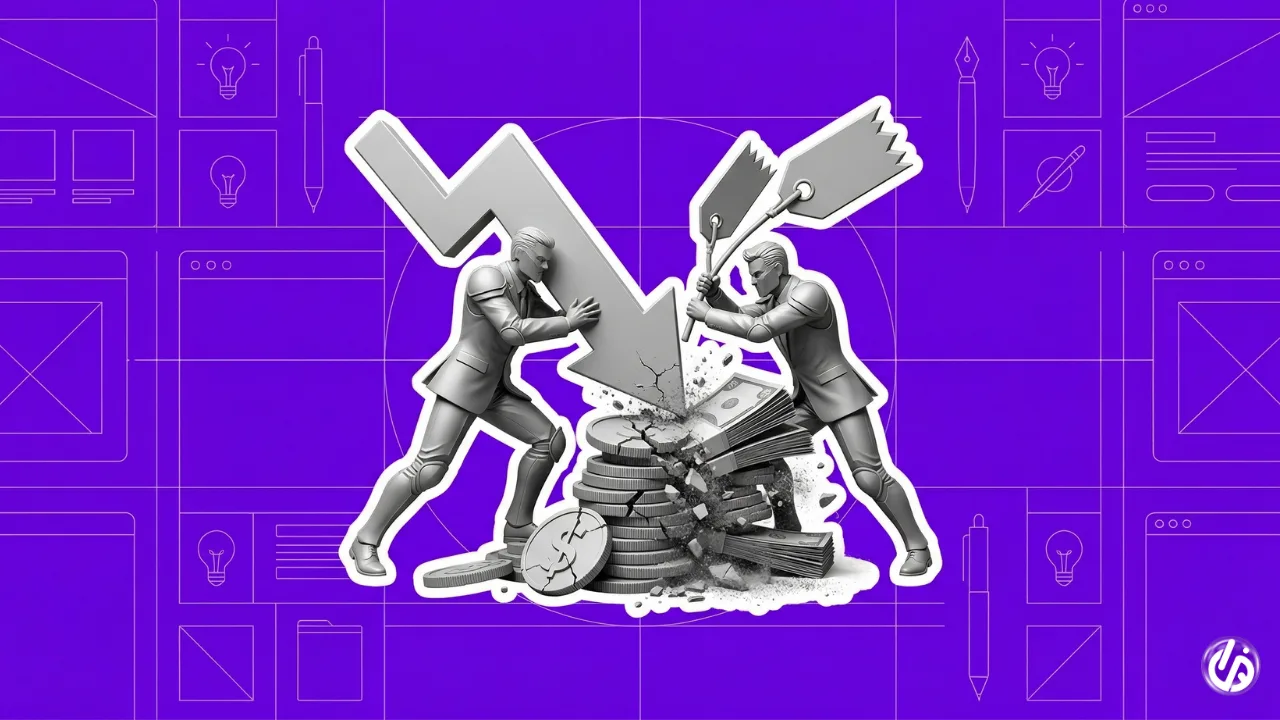
The AI industry is locked in a price competition cycle.
Companies aggressively underprice services to:
-
Gain market share
-
Attract developers
-
Build ecosystem lock-in
But this leads to unsustainable unit economics.
Even premium AI tools are often priced below their true compute cost, creating structural losses per user.
4. Heavy Dependence on Venture Capital
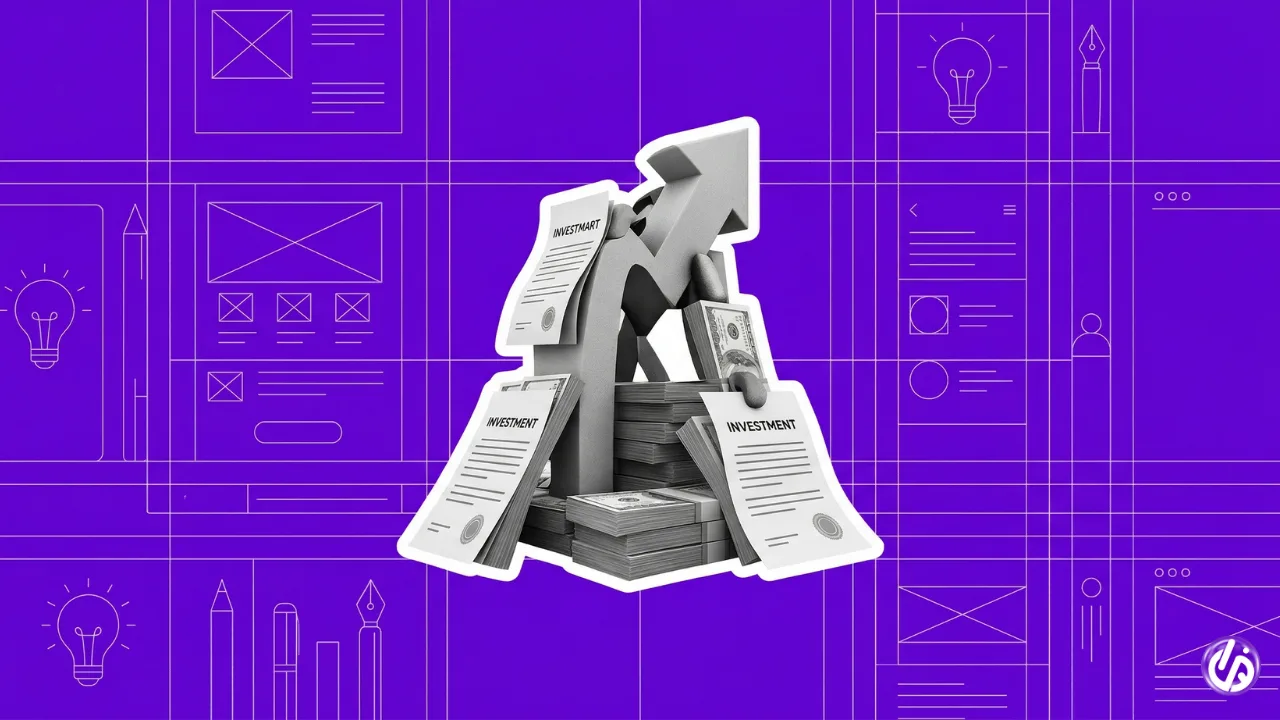
Many AI companies are not profitable because they are not designed to be—yet.
Instead, they rely on:
-
Venture capital funding
-
Private equity injections
-
Strategic corporate investment
This funding covers operational losses while companies scale.
However, investors expect long-term profitability, and not all AI firms will survive the transition to profitability.
5. Infrastructure Bottlenecks Are Expensive to Fix
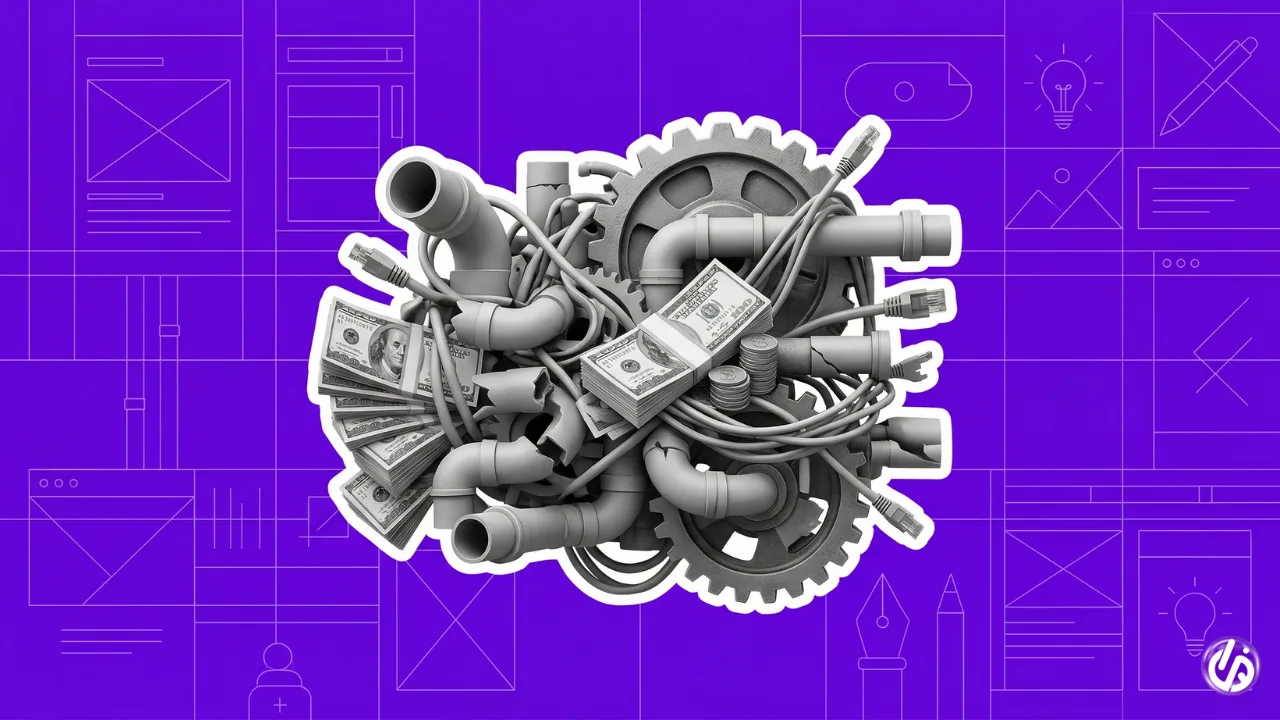
AI systems depend on physical infrastructure:
-
Data centers
-
GPU clusters
-
High-speed networking
-
Cooling systems
The demand for compute is growing faster than infrastructure can be built.
This leads to:
-
GPU shortages
-
Rising cloud costs
-
Long-term leasing commitments
Companies often lock into expensive contracts just to maintain capacity.
6. Overinvestment in Research Without Immediate ROI
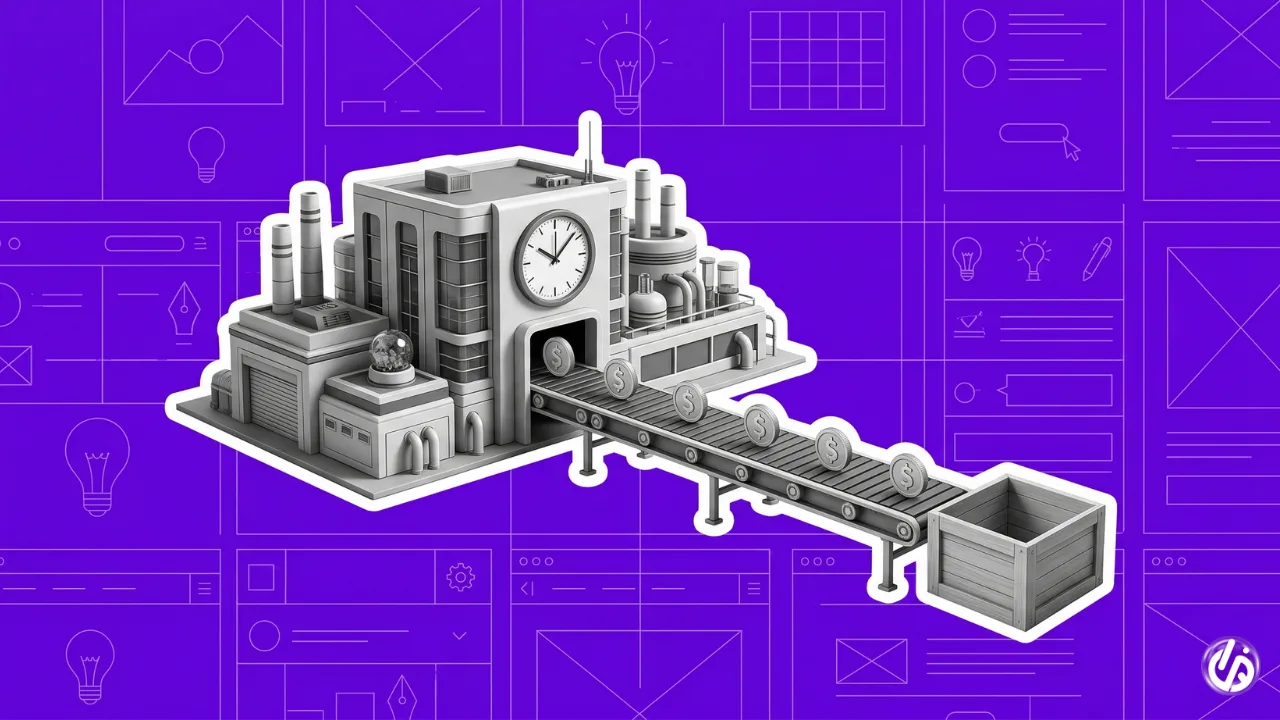
AI companies continuously invest in:
-
Model improvements
-
Safety systems
-
Multimodal capabilities
-
Experimental features
These investments are essential for long-term competitiveness but do not generate immediate revenue.
As a result, R&D spending outpaces monetization for years.
7. Low Conversion from Users to Paying Customers

Even when AI tools gain millions of users, monetization remains weak.
Common issues:
-
Free tiers dominate usage
-
Users resist subscriptions
-
Enterprises negotiate heavy discounts
-
APIs are commoditized quickly
This leads to a gap between usage growth and revenue growth.
8. Competition from Open-Source AI
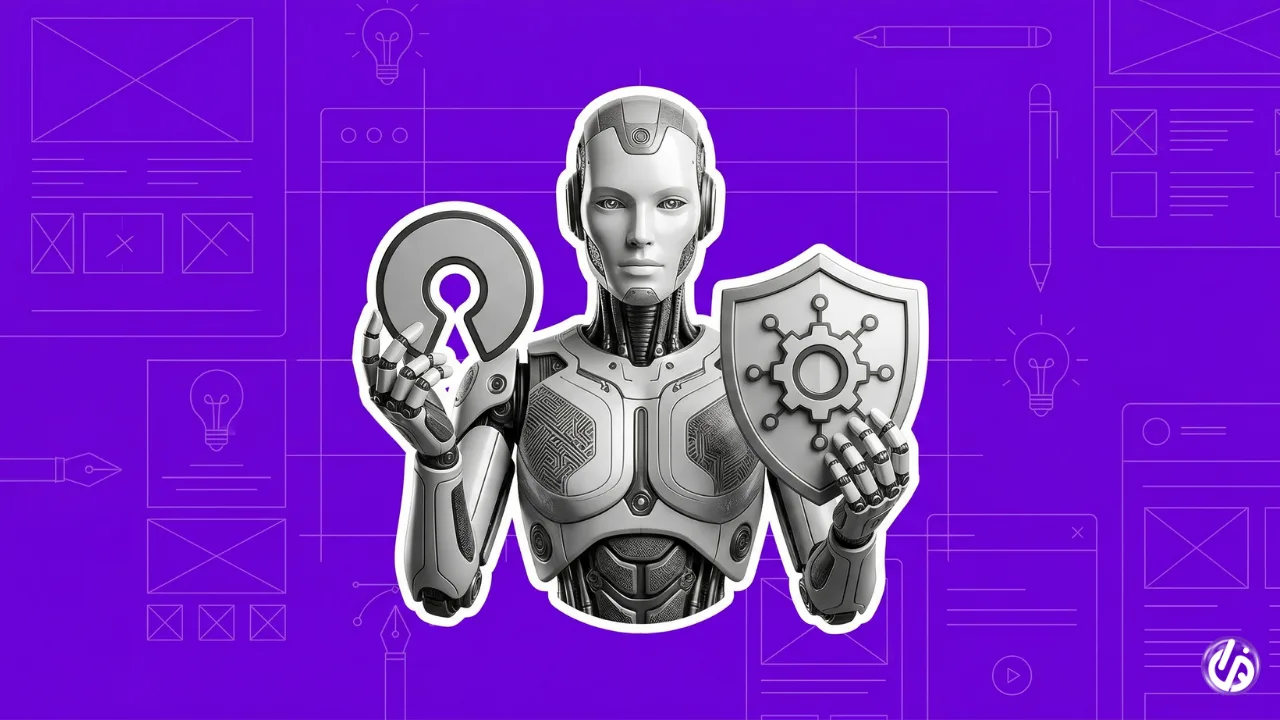
Open-source models reduce pricing power dramatically.
As high-quality models become freely available, paid AI products struggle to justify premium pricing.
This forces companies to:
-
Lower prices further
-
Add costly features
-
Or lose users
All three options increase financial pressure.
9. Long Payback Cycles in AI Business Models

AI investments often take years to pay off.
Unlike SaaS products with predictable margins, AI companies face:
-
Uncertain demand curves
-
Rapidly changing technology
-
Constantly rising compute requirements
This creates long payback cycles that strain cash flow.
The Core Truth: AI Is a Scale Game, Not a Profit Game (Yet)
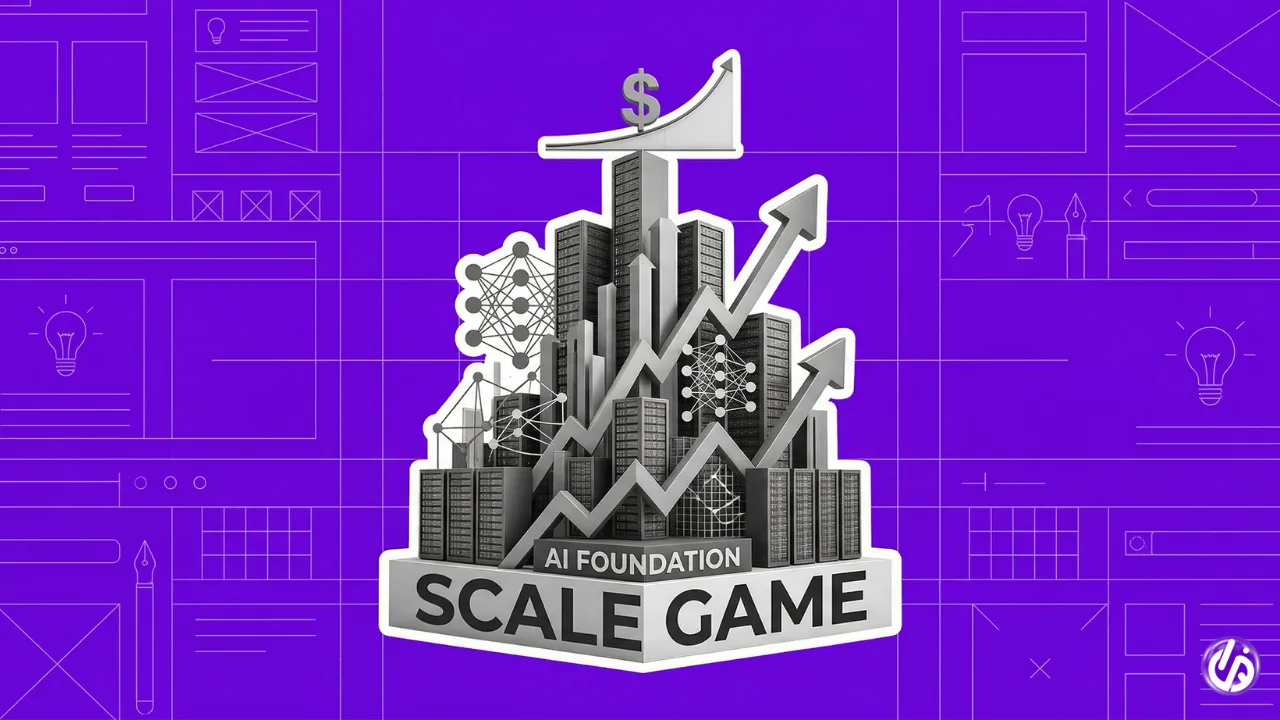
The current AI industry is in a phase where:
-
Growth is prioritized over profitability
-
Market share matters more than margins
-
Infrastructure expansion is unavoidable
This is why even the biggest players can report massive losses while appearing “successful.”
What Happens Next?
The industry will likely consolidate into:
-
A few highly efficient infrastructure providers
-
A small number of dominant model companies
-
Many niche application-layer startups
Profitability will eventually come—but only for companies that solve:
-
Cost efficiency at scale
-
Pricing power
-
Differentiated use cases
Final Insight
AI companies aren’t losing money because the technology is weak.
They are losing money because the economics of frontier AI are still immature, infrastructure-heavy, and aggressively competitive.
The winners won’t be the ones with the best models—they’ll be the ones who figure out how to make those models economically sustainable.