



At first glance, it doesn’t make sense.
- The AI Industry Is an Ecosystem, Not a Battlefield
- 1. Securing Access to Critical Technology
- 2. Locking in Strategic Partnerships
- 3. Controlling the Supply Chain of AI
- 4. Sharing the Cost of Innovation
- 5. Accelerating Market Adoption
- 6. Defensive Strategy Against Competitors
- 7. Building an AI Monopoly (Without Looking Like One)
- What This Means for Entrepreneurs
- The Hidden Opportunity
- The Risk You Shouldn’t Ignore
- Final Insight: This Is Strategy, Not Friendship
- Ready to Position Your Business in the AI Ecosystem?
Why would AI companies—many of them competitors—invest in each other?
Shouldn’t they be fighting for dominance instead of sharing capital?
Here’s the reality:
This isn’t cooperation. It’s strategic positioning.
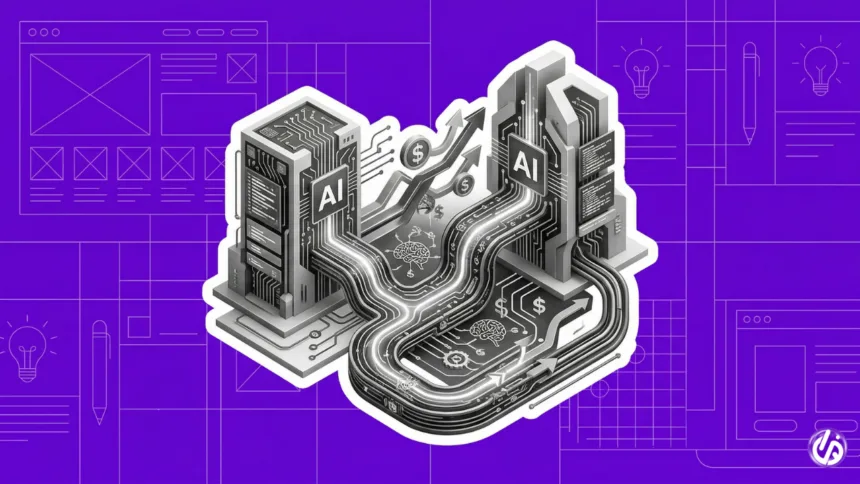
The AI industry is not a simple winner-takes-all market. It’s a complex ecosystem where companies depend on each other to scale, compete, and survive. You may also like to read: Why AI Companies Are Buying RAM.
The AI Industry Is an Ecosystem, Not a Battlefield
Most people think of AI as a direct competition between companies.
In reality, it’s layered:
- Infrastructure providers
- Model developers
- Application builders
- Distribution platforms
Each layer depends on the others.
That’s why companies like Microsoft investing in OpenAI makes perfect sense.
They’re not just investing—they’re building dependency and control within the ecosystem.
1. Securing Access to Critical Technology
AI development is expensive and complex.
Instead of building everything from scratch, companies invest in others to:
- Gain early access to models
- Integrate advanced capabilities
- Stay ahead of competitors
This is faster and often cheaper than internal development.
2. Locking in Strategic Partnerships
Investment creates alignment.
When a company invests in another, it often gains:
- Preferred access to technology
- Long-term contracts
- Deeper integration opportunities
For example, Microsoft’s investment in OpenAI gives it a strategic advantage in AI deployment across its products.
3. Controlling the Supply Chain of AI
AI is not just software—it’s infrastructure.
It relies on:
- GPUs
- Cloud platforms
- Data pipelines
Companies invest across the stack to control these layers.
This reduces risk and ensures they are not dependent on external competitors.
4. Sharing the Cost of Innovation
AI is one of the most expensive industries to operate in.
Instead of carrying the full burden, companies:
- Co-invest
- Partner
- Share resources
This spreads risk while accelerating development.
5. Accelerating Market Adoption
When companies collaborate, they can:
- Launch products faster
- Reach larger audiences
- Integrate across platforms
This speeds up adoption and strengthens their market position.
6. Defensive Strategy Against Competitors
Sometimes, investment is not about growth—it’s about defense.
By investing in key players, companies can:
- Prevent competitors from gaining exclusive access
- Influence direction and decisions
- Maintain relevance in the ecosystem
It’s a strategic move to stay in the game.
7. Building an AI Monopoly (Without Looking Like One)
Direct monopolies attract regulation.
But ecosystem control?
That’s harder to regulate.
By investing in multiple companies, major players can:
- Influence the entire industry
- Control key technologies
- Shape the future of AI
Without appearing dominant on paper.
What This Means for Entrepreneurs
This shift has massive implications.
AI is no longer just about building tools—it’s about positioning within an ecosystem.
For business owners, this means:
- The best tools will come from partnerships
- Integration will matter more than ownership
- Speed of adoption will determine competitiveness
You don’t need to build AI.
You need to leverage it strategically.
The Hidden Opportunity
While big companies invest billions, smaller businesses gain access to:
- Advanced AI tools
- Automation systems
- Scalable solutions
This levels the playing field—if you act fast.
The Risk You Shouldn’t Ignore
Ecosystem control also creates risks:
- Dependency on a few platforms
- Pricing power shifts
- Limited alternatives
Businesses must remain flexible and avoid over-reliance on a single provider.
Final Insight: This Is Strategy, Not Friendship
AI companies are not investing in each other because they like each other.
They are doing it because:
- It reduces risk
- It accelerates growth
- It increases control
This is how modern tech dominance is built—through networks, not isolation.
Ready to Position Your Business in the AI Ecosystem?
The AI industry is evolving fast.
The businesses that win will be the ones that:
- Adapt quickly
- Integrate smart tools
- Build systems that scale
Sparktopus helps you:
- Implement AI into your business
- Build high-performance digital platforms
- Optimize for modern search and AI visibility
Book Sparktopus today and position your business for the future of AI-driven growth.