


Most businesses don’t have an email problem.
They have a system problem.
They send random campaigns, write inconsistent emails, and expect results from chaos. Then they blame the tools.
That’s backwards.
Email automation tools don’t magically fix bad strategy—but the right ones, used correctly, print predictable revenue.
So instead of listing tools blindly, let’s break down what actually works—and what’s just noise.
What Are Email Automation Tools?
Email automation tools are platforms that allow you to send targeted, behavior-driven emails automatically.
Instead of manually sending emails, you build systems like:
- Welcome sequences
- Abandoned cart reminders
- Lead nurturing flows
- Re-engagement campaigns
The goal is simple:
Send the right message, to the right person, at the right time—without manual effort.
That’s how real businesses scale.
Why Most Email Automation Fails
Let’s be blunt.
Most entrepreneurs fail with email automation because they:
- Use the wrong tool for their stage
- Overcomplicate workflows
- Ignore segmentation
- Focus on design instead of messaging
Or worse—they automate garbage content.
Automation doesn’t fix weak offers or poor copy. It just amplifies it faster.
If your emails don’t convert manually, automating them just scales failure.
You may also like to read: How Much Does Email Marketing Cost? (Full Breakdown).
What Actually Works in Email Automation
Before tools, focus on fundamentals.
Because this is where 90% of results come from.
1. Behavior-Based Triggers (Not Time-Based Spam)
The most effective email marketing automation is driven by user behavior, not arbitrary schedules.
Examples that work:
- Someone signs up → they get a tailored welcome sequence
- Someone clicks a product → they get follow-up emails about that product
- Someone abandons checkout → they get recovery emails
This feels personalized—even though it’s automated.
That’s the difference between spam and strategy.
2. Segmentation That Makes Sense
If you’re sending the same email to everyone, you’re doing it wrong.
Effective business email automation segments users based on:
- Interests
- Purchase history
- Engagement level
- Funnel stage
This allows you to speak directly to what people actually care about.
Relevance = higher open rates, clicks, and conversions.
3. Simple, Focused Automation Flows
Most people overbuild.
You don’t need 25 workflows to start.
The core automated email campaigns that actually drive revenue are:
- Welcome sequence
- Lead nurturing sequence
- Sales conversion sequence
- Re-engagement campaign
If these are not working, adding more complexity won’t help.
4. Strong Copy, Not Fancy Design
Design is overrated in email.
Clarity wins.
Some of the highest-performing automated email campaigns look like plain text.
Why?
Because they feel human.
If your emails read like ads, people ignore them. If they read like conversations, people engage.
5. Consistency Over Perfection
Automation is powerful because it removes inconsistency.
But many businesses sabotage this by constantly tweaking instead of letting systems run.
You don’t need perfect emails.
You need:
- Clear messaging
- Consistent delivery
- Continuous optimization
That’s how systems improve over time.
Best Email Automation Tools That Actually Deliver
Now let’s talk tools—properly.
Not hype. Not affiliate-driven lists. Just practical positioning.
1. Mailchimp
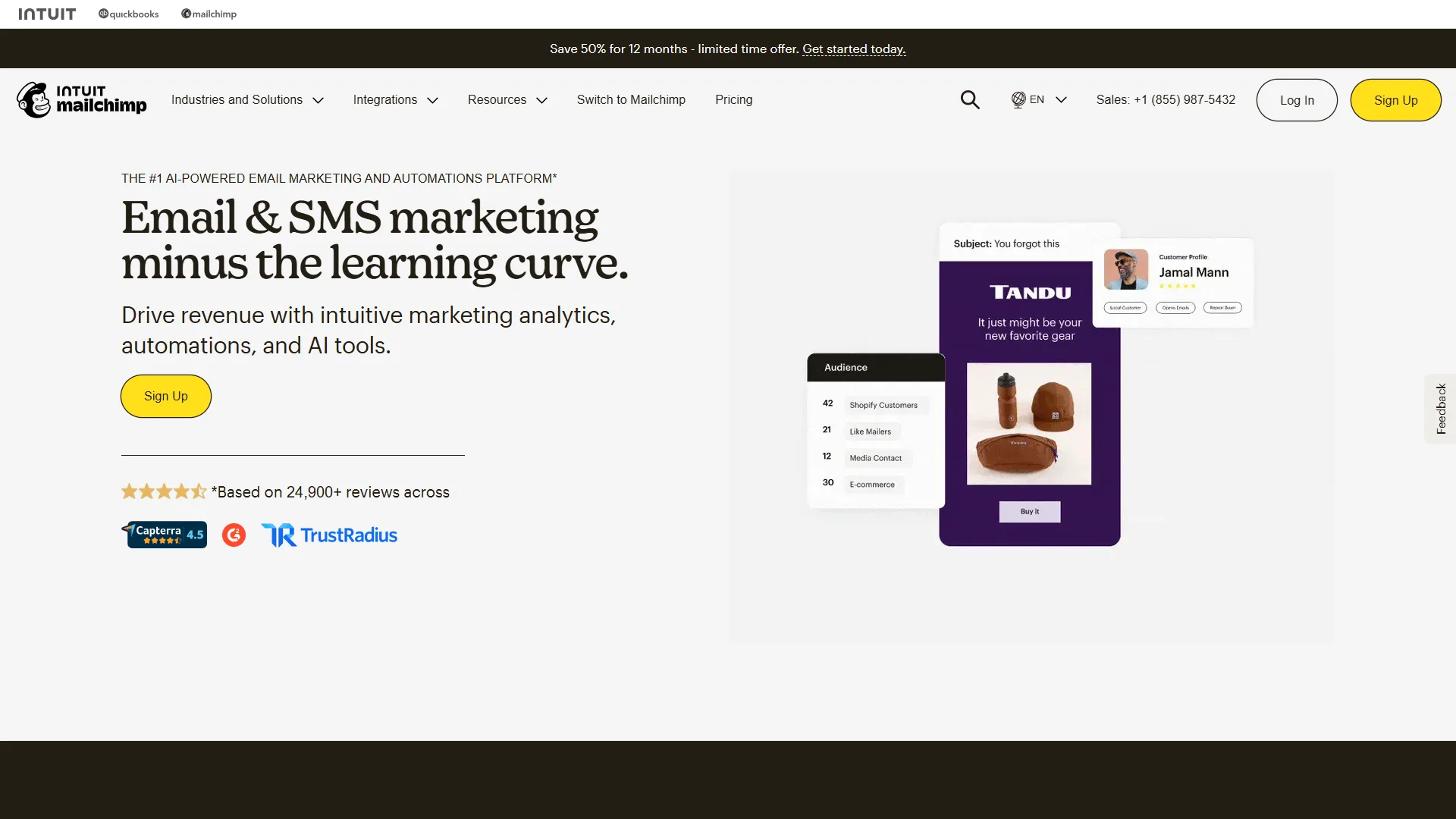
Mailchimp is one of the most widely used email marketing tools—and for good reason.
It’s:
- beginner-friendly
- reliable
- good for small to medium businesses
It handles basic automation, segmentation, and campaign management well.
But here’s the catch:
If you’re scaling aggressively, it can feel limiting.
Verdict: Good starting point, not a long-term power tool.
2. ActiveCampaign
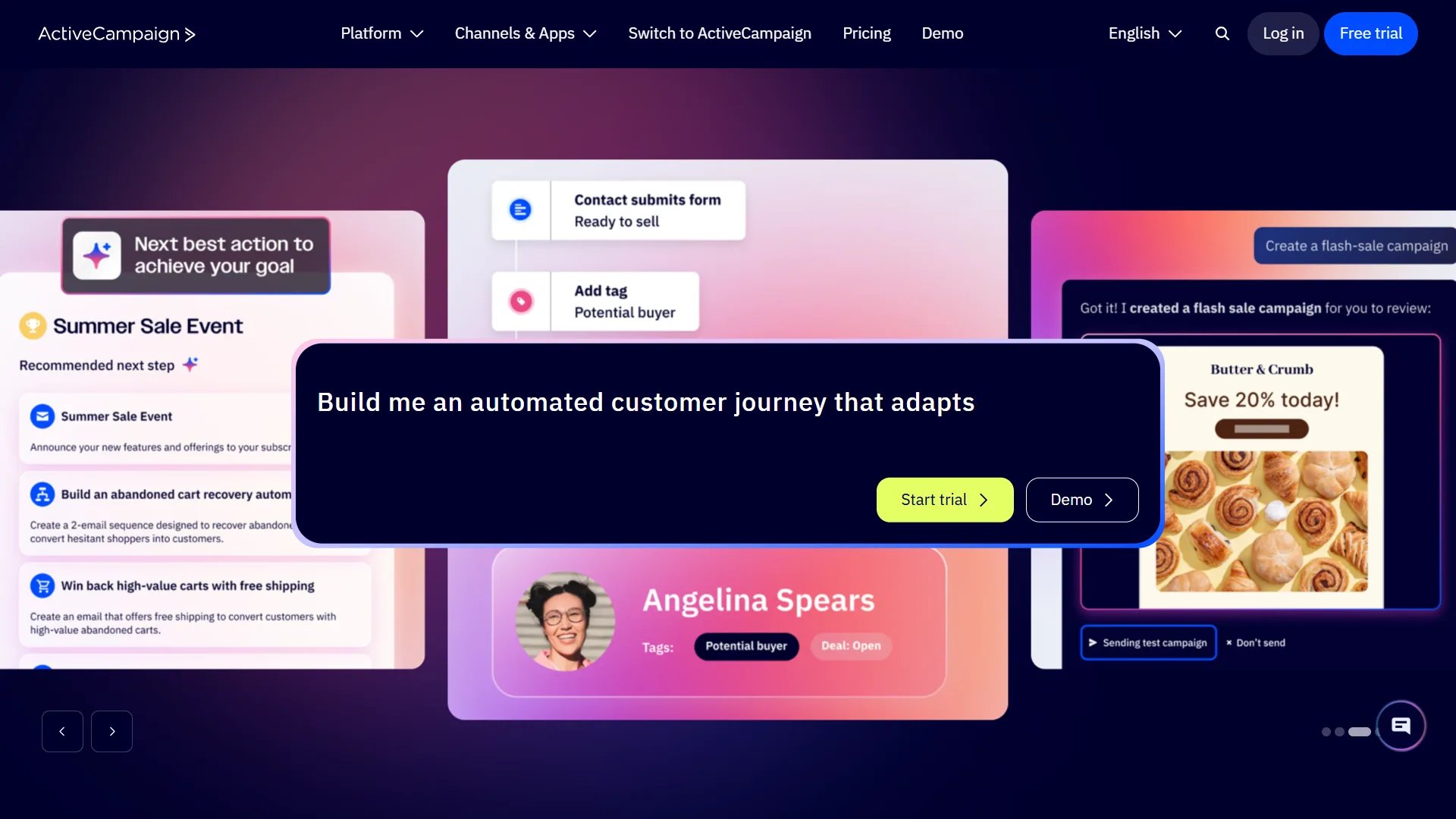
This is where things get serious.
ActiveCampaign combines:
- email automation
- CRM
- advanced segmentation
It’s built for businesses that want deep automation systems, not just newsletters.
If you understand funnels, this tool becomes extremely powerful.
Verdict: One of the best email automation software options for growth-focused businesses.
3. Klaviyo
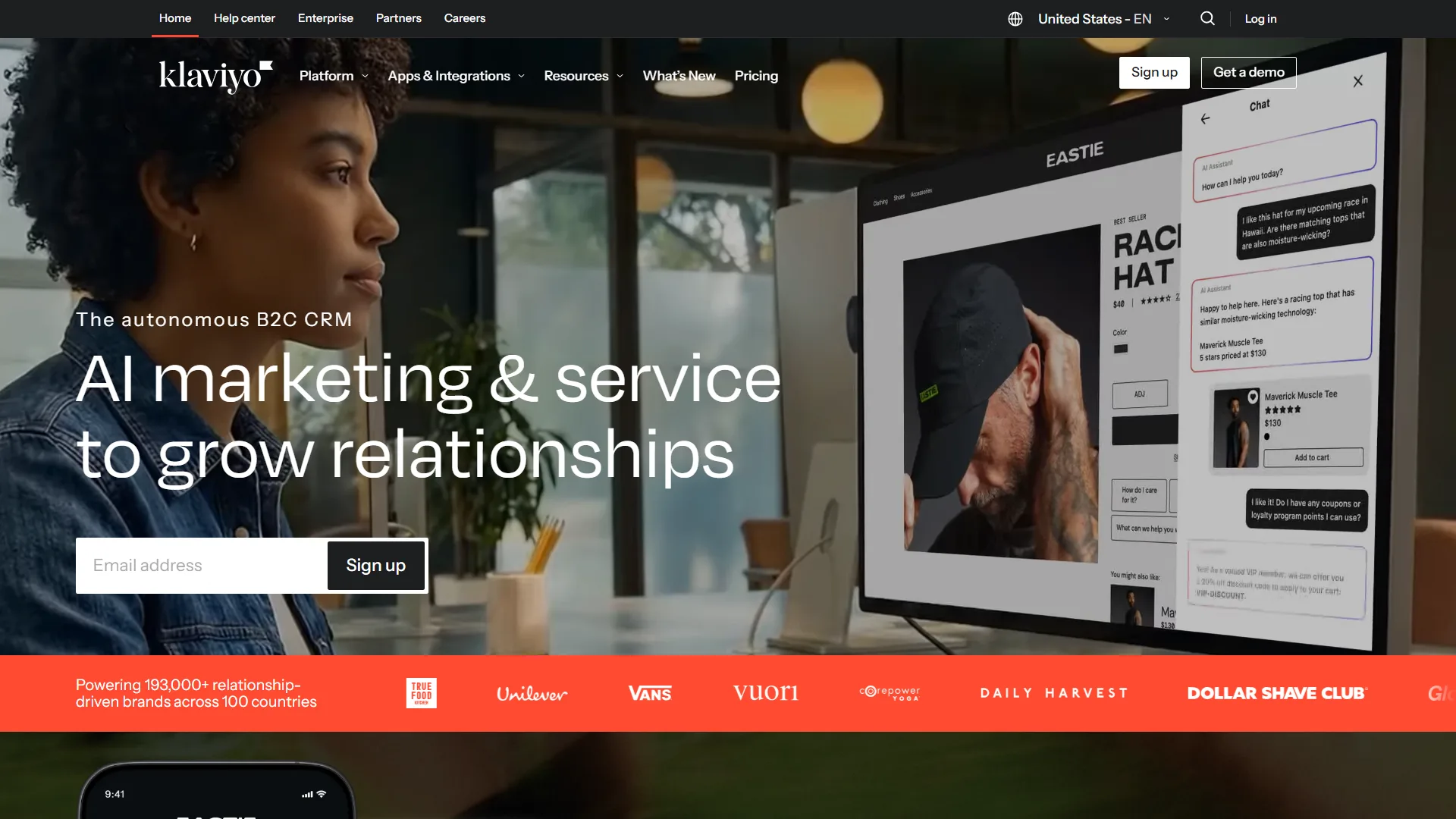
If you run an eCommerce business, Klaviyo is hard to beat.
It excels in:
- abandoned cart automation
- product-based segmentation
- revenue tracking
It integrates tightly with platforms like Shopify, making it ideal for online stores.
Verdict: Best-in-class for eCommerce email automation.
4. ConvertKit
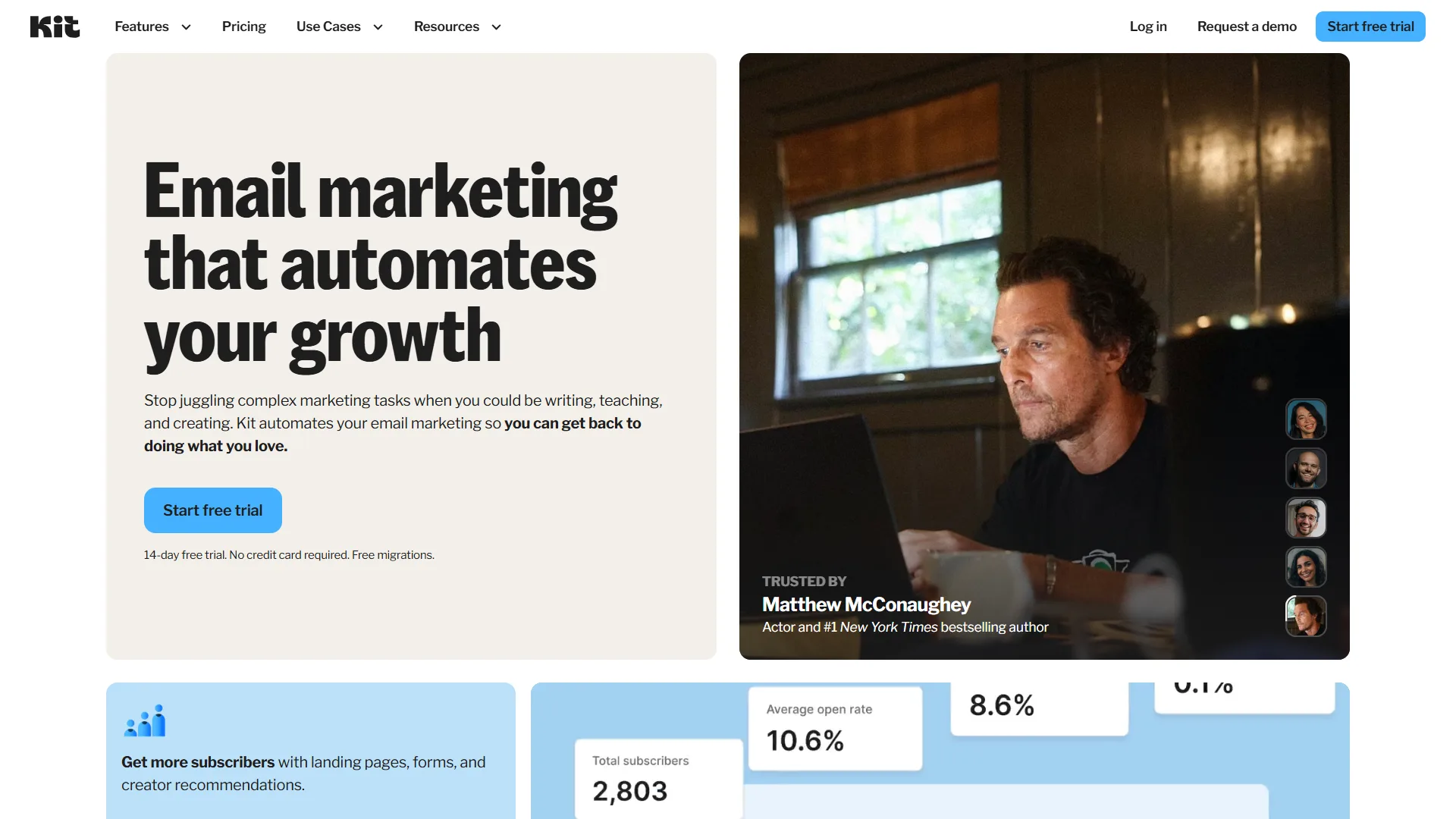
ConvertKit is designed for:
- creators
- coaches
- personal brands
It simplifies automation without overwhelming users.
It’s not as advanced as ActiveCampaign, but it’s much easier to use.
Verdict: Perfect if your business is content-driven.
5. HubSpot
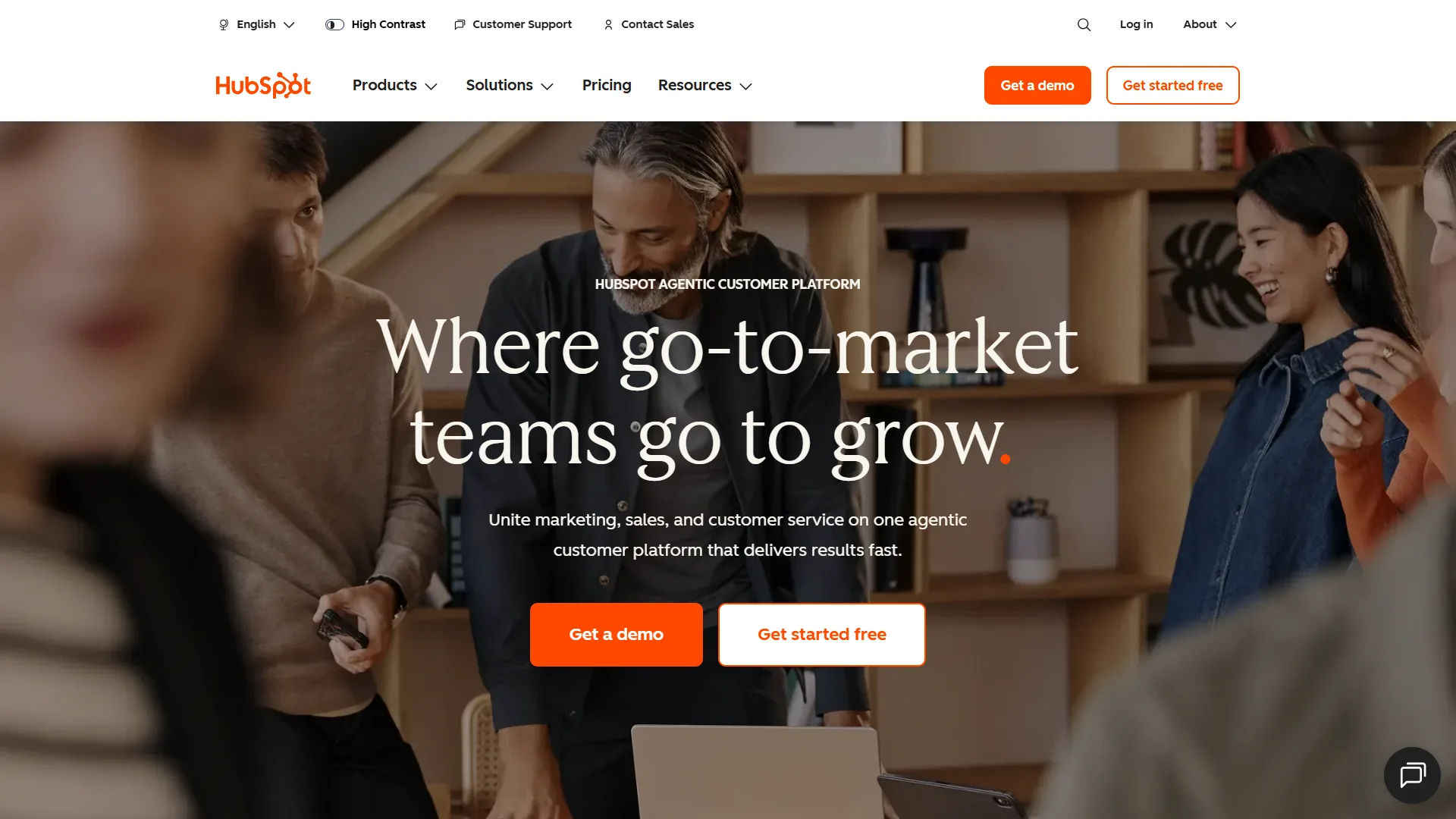
HubSpot is a full ecosystem.
It offers:
- email automation
- CRM
- sales tools
- analytics
But it comes at a cost—literally.
It’s expensive and can be overkill if you don’t need everything.
Verdict: Powerful, but only worth it if you’ll fully use the ecosystem.
Choosing the Right Tool (Without Wasting Money)
Here’s where most people mess up.
They pick tools based on popularity—not fit.
Use this instead:
- Small business / beginner: Mailchimp or ConvertKit
- Scaling business: ActiveCampaign
- eCommerce: Klaviyo
- Enterprise / all-in-one: HubSpot
If you choose wrong, you’ll either:
- outgrow the tool too fast
- or overpay for features you don’t use
Both are avoidable mistakes.
The Real ROI of Email Automation
Let’s cut through the noise.
Email automation is not about convenience—it’s about predictable revenue systems.
Done right, it:
- nurtures leads automatically
- converts prospects without constant effort
- retains customers over time
It becomes a 24/7 sales engine.
That’s why serious businesses invest in it.
Final Reality Check
Tools don’t build systems.
People do.
If your:
- messaging is weak
- offers are unclear
- funnel is broken
No email automation tool will save you.
But if your fundamentals are strong, the right tool will multiply your results.
Work With Sparktopus
Most businesses approach email marketing like a side task.
That’s why they struggle.
At Sparktopus, we design complete email automation systems that:
- align with your sales funnel
- convert leads into customers
- scale your revenue without chaos
From strategy to execution, we don’t guess—we build systems that work.
If you’re ready to stop sending random emails and start building a real revenue engine: