

In 2026, coding is no longer just about syntax, frameworks, or memorizing documentation. It’s about leverage.
The developers who win today are not necessarily the ones who write the most code—they are the ones who orchestrate intelligence. That’s where vibe coding tools come in.
But here’s the uncomfortable truth: most entrepreneurs and developers are still using AI like a toy. They ask it basic questions, generate snippets, and call it productivity. That’s surface-level usage—and it leaves massive efficiency on the table.
Vibe coding tools are different. They don’t just assist you; they collaborate, execute, and scale your output.
If you’re serious about building faster, shipping better products, and staying competitive, these are the tools reshaping how code gets written.
What “Vibe Coding” Actually Means (And Why It Matters)
Before diving into the tools, let’s get something straight.
Vibe coding isn’t about laziness or avoiding real engineering. It’s about:
- Translating ideas directly into working systems
- Reducing friction between thinking and execution
- Leveraging AI as a co-developer, not a helper
In practical terms, it means you spend less time debugging trivial issues and more time making strategic decisions.
For entrepreneurs, this is critical. Speed to market is everything—and these tools compress timelines dramatically.
1. Claude Code — The Closest Thing to an Autonomous Developer
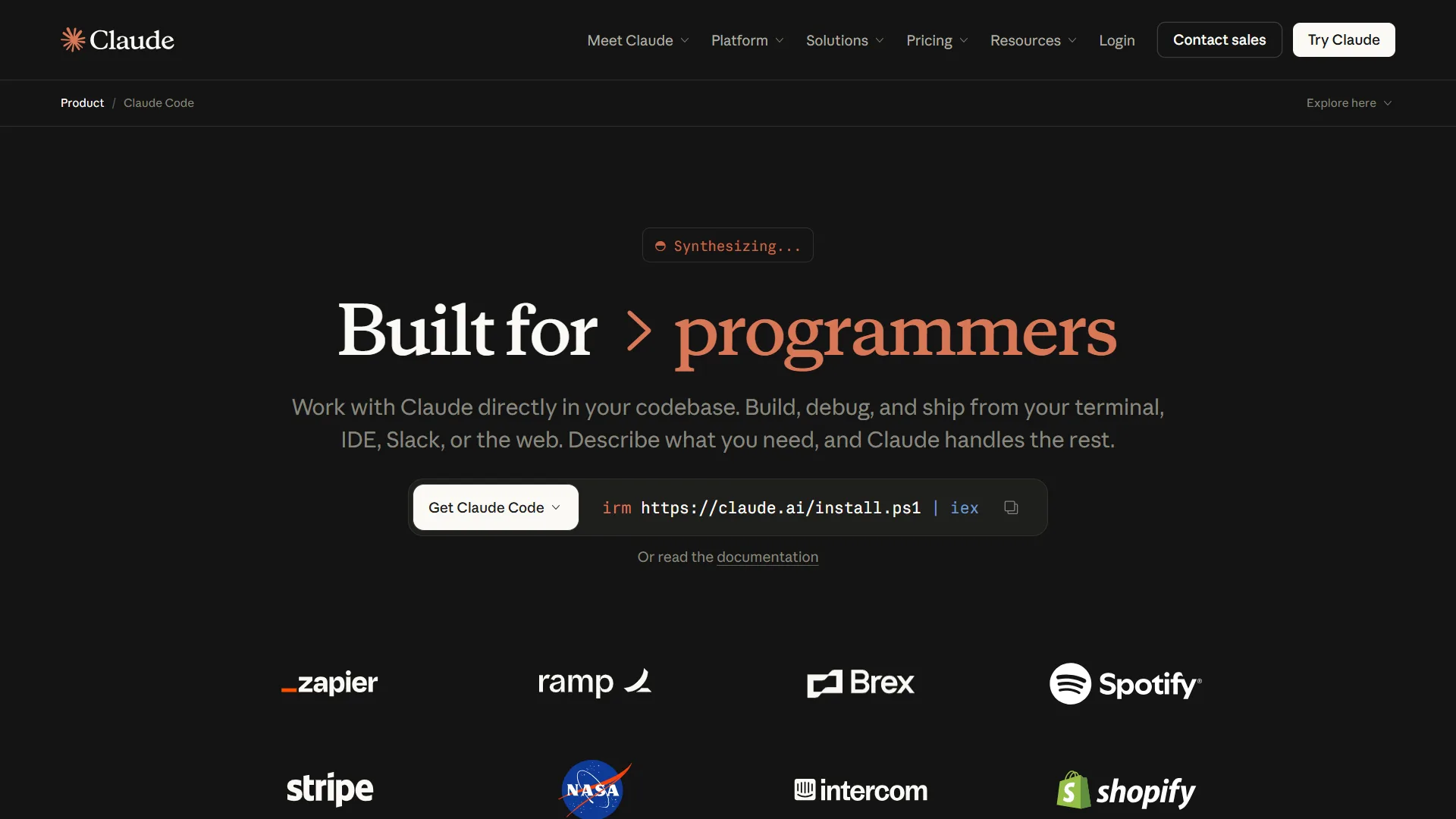
Claude Code is not just another coding assistant. It operates like a terminal-based AI agent that interacts directly with your codebase.
It can:
- Read and understand entire repositories
- Execute commands
- Modify multiple files at once
- Build features or fix bugs with minimal prompting
Here’s the key advantage: reasoning depth.
Unlike shallow AI tools that generate code line-by-line, Claude Code understands systems. It can navigate dependencies, anticipate issues, and produce cleaner architecture.
If you’re building anything beyond a simple MVP, this is where you get leverage.
Brutal reality: If you’re still copy-pasting code from chat tools instead of using agents like this, you’re already behind.
2. Cursor — AI Pair Programming at Scale
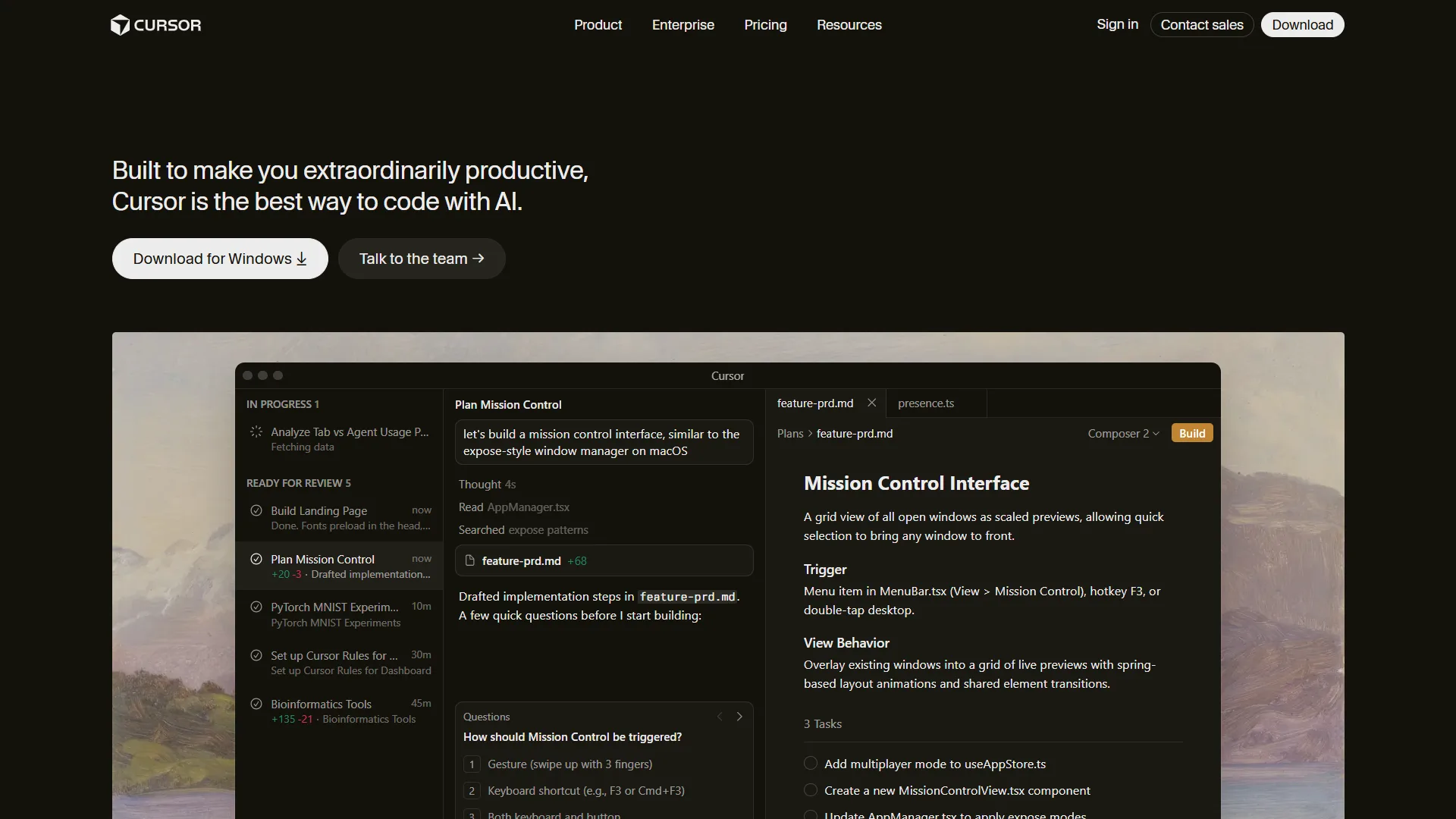
Cursor feels like what developers always wanted from IDEs.
Built as an AI-first code editor, it integrates intelligence directly into your workflow. You can:
- Edit code inline with simple commands
- Refactor entire codebases
- Use “Composer” mode for multi-file changes
- Maintain deep context across projects
What makes Cursor powerful is context awareness. It doesn’t treat your code as isolated snippets—it understands relationships across files.
That’s what enables real productivity gains.
For professionals, this tool replaces the traditional “write → debug → refactor” cycle with a more fluid, AI-assisted loop.
3. Lovable — Turning Ideas Into Apps Instantly
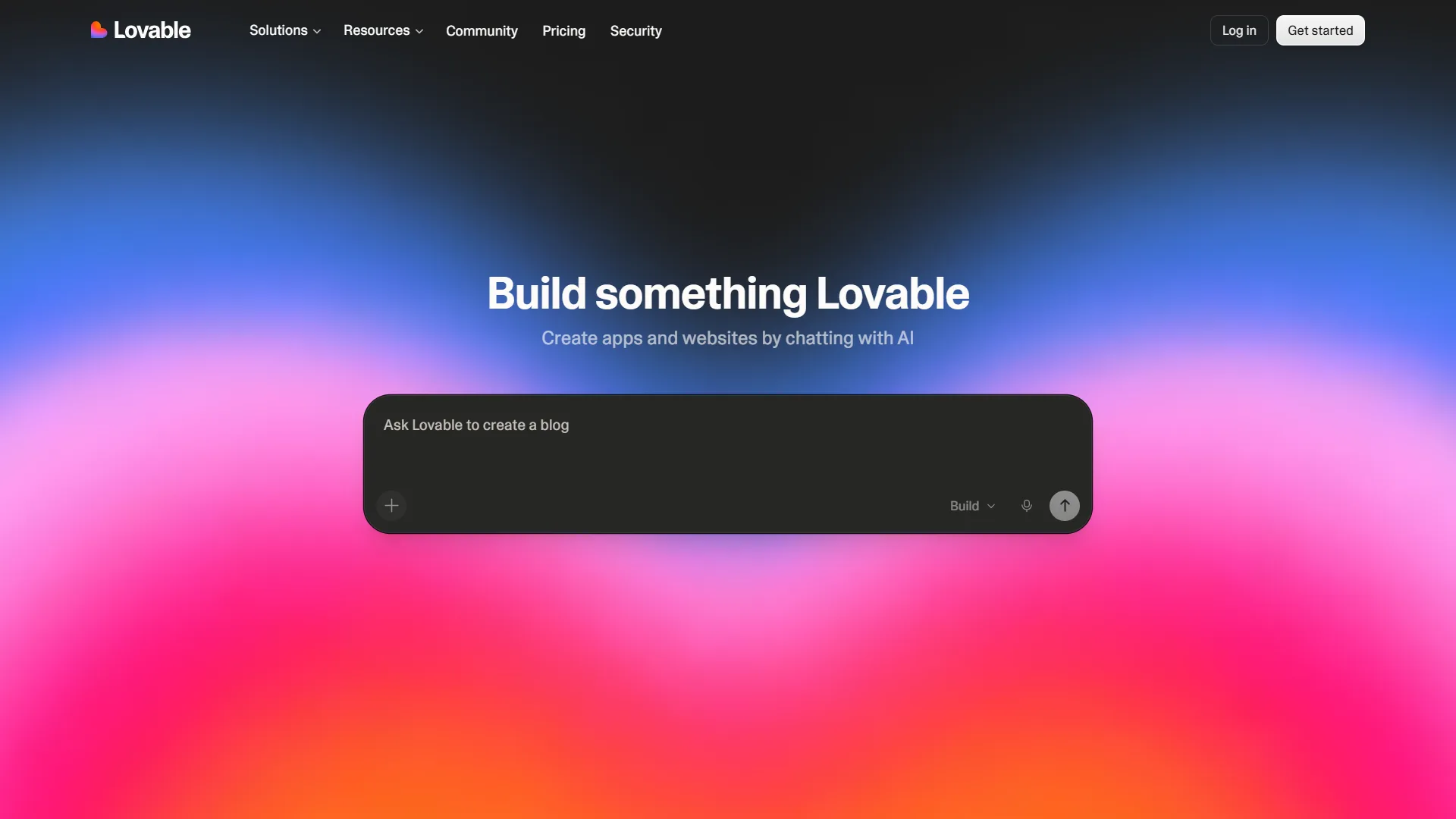
Lovable is where vibe coding becomes accessible to non-developers.
You describe what you want, and it generates:
- Frontend interfaces
- Backend logic
- Full-stack applications
It’s optimized for speed and visual quality, which makes it ideal for:
- Founders validating ideas
- Rapid prototyping
- MVP launches
But here’s the catch: it’s not magic.
The output often needs refinement for production use. If you rely on it blindly, you’ll end up with fragile systems.
Used correctly, though, Lovable is a time-to-market weapon.
4. Bolt.new — Speed Over Everything
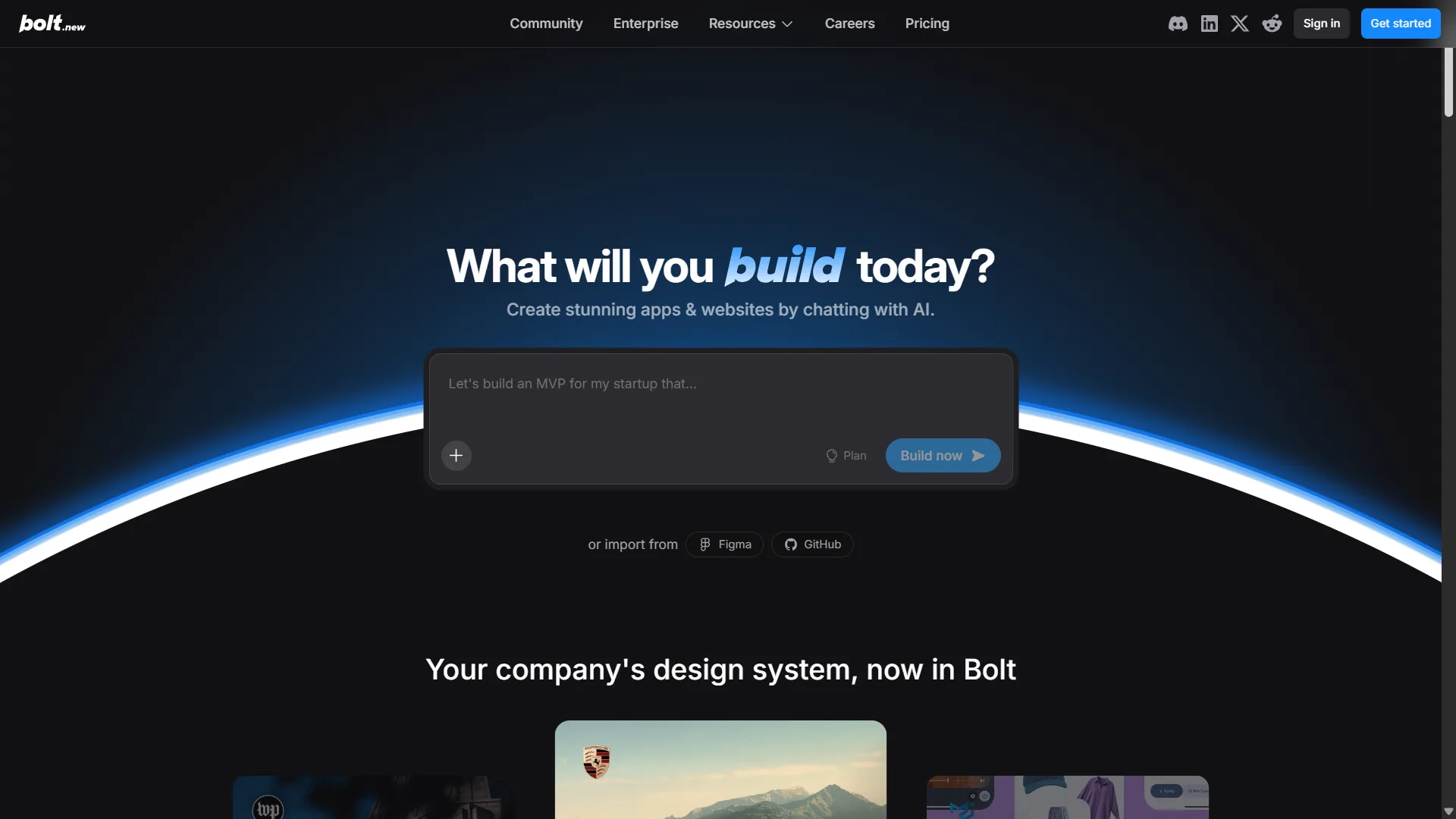
Bolt is built for one thing: rapid iteration.
It’s browser-based, simple to use, and highly effective at generating:
- Functional apps
- Clean UI/UX
- Quick demos across frameworks
This makes it perfect for:
- Testing ideas quickly
- Pitching concepts
- Building proof-of-concepts
However, it has limitations with complex systems. You won’t build a scalable SaaS backend here without significant manual intervention.
Think of Bolt as your idea accelerator, not your production engine.
5. Replit (With AI) — The All-in-One Builder
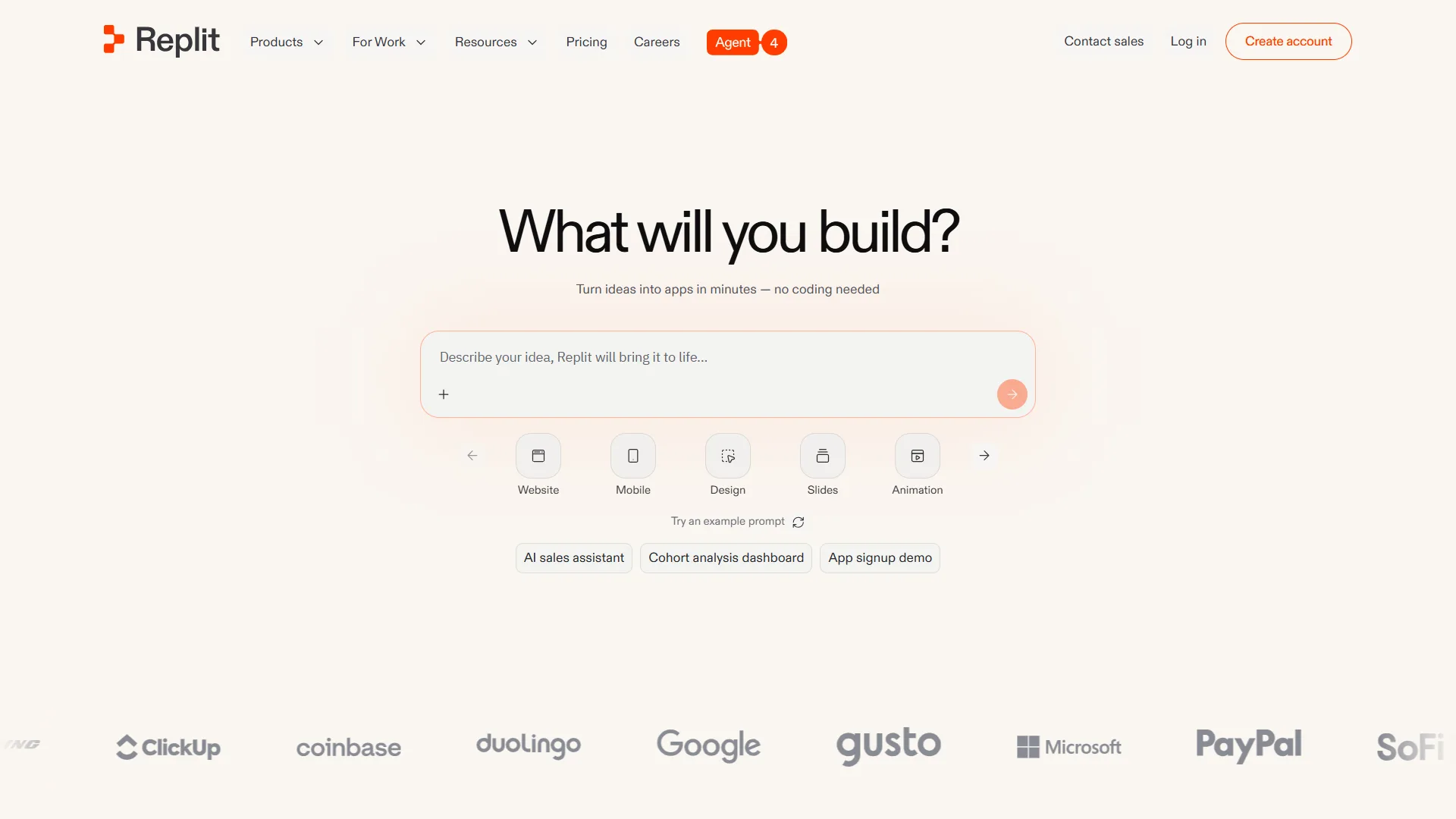
Replit has evolved from a beginner-friendly coding platform into a serious AI-powered development environment.
Its strengths:
- Browser-based IDE (no setup required)
- Built-in hosting and deployment
- Real-time collaboration
- Strong support for multiple languages
With AI integrated, it becomes a full-stack playground where you can go from idea to deployed app without leaving the platform.
For entrepreneurs, this eliminates a huge barrier: infrastructure complexity.
But don’t confuse convenience with scalability. For larger systems, you’ll eventually need more robust architecture.
6. v0 by Vercel — Where Design Meets Code
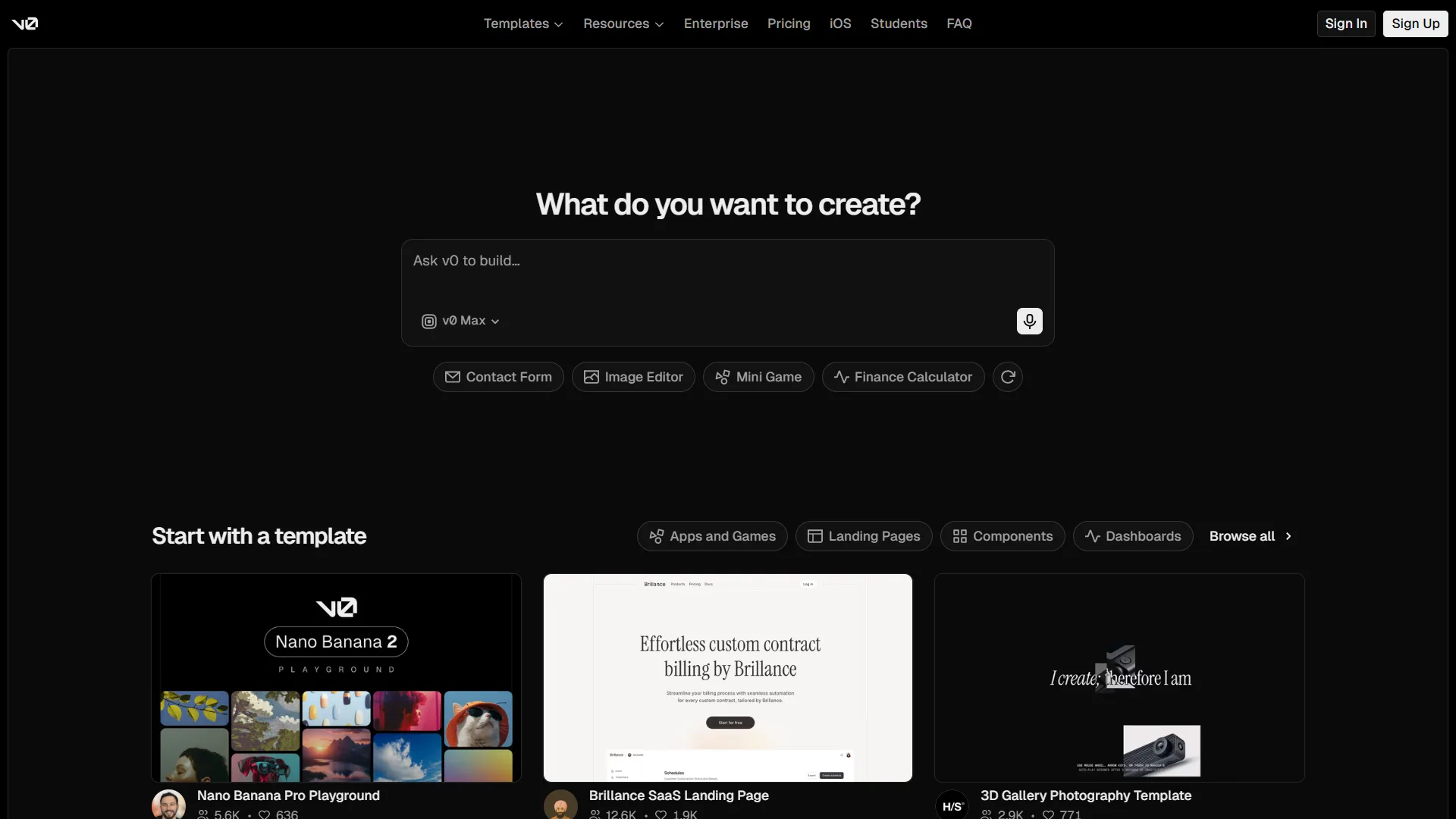
v0 focuses on one critical layer most developers struggle with: UI/UX.
It generates:
- High-quality frontend components
- Responsive layouts
- Production-ready interfaces
It integrates seamlessly with modern frameworks, especially those in the Vercel ecosystem.
What makes it powerful is design fidelity. Instead of rough AI-generated interfaces, you get polished components that actually look professional.
Smart developers pair v0 with backend-focused tools to create complete systems faster.
7. Windsurf — The Emerging Power Player
Windsurf is less mainstream but highly capable.
It competes directly with tools like Cursor, offering:
- Multi-file editing
- Long-term memory
- Structured planning (cascade workflows)
- Strong performance on complex tasks
Its edge lies in agentic workflows—the ability to plan and execute tasks across a project systematically.
For advanced users working on large systems, this becomes a serious advantage.
Ignore tools like this early, and you risk missing the next major shift in development workflows.
The Real Problem: Tools Won’t Save You
Now here’s where most people get it wrong.
They think switching tools will automatically make them faster or better.
It won’t.
These tools amplify your thinking. If your:
- Product strategy is weak
- Architecture decisions are poor
- Understanding of systems is shallow
AI will simply help you fail faster.
That’s the brutal truth.
How Smart Entrepreneurs Actually Use These Tools
The top 1% don’t rely on a single tool. They stack them strategically.
A typical high-performance workflow might look like this:
- Use Lovable or Bolt to validate an idea
- Use v0 to refine the UI
- Use Cursor or Windsurf for structured development
- Use Claude Code for deep system-level execution
This is how you move from idea → prototype → production in record time.
Not by hoping one tool does everything.
Why This Matters for Your Business
If you run a business, this shift changes everything.
You can:
- Launch products faster
- Reduce development costs
- Experiment with more ideas
- Compete with larger teams
But only if you understand how to apply these tools strategically.
Otherwise, you’ll just generate code that looks impressive—but doesn’t convert, scale, or solve real problems.
Speed Is Useless Without Direction
AI has removed the bottleneck of execution.
The new bottleneck is clarity.
What are you building?
Who is it for?
Why does it matter?
If you can’t answer those, no tool on this list will save you.
But if you can—these tools will give you an unfair advantage. You may also like to read: Lovable vs Replit vs Manus: Best AI Builder 2026.
Ready to Build Something That Actually Works?
Most AI-generated apps fail for one reason: no strategy behind the build.
At Sparktopus, we don’t just use AI tools—we combine them with:
- Proven business strategy
- Conversion-focused design
- Scalable architecture
So you don’t just launch fast—you launch right.
If you’re serious about building a high-performing website, app, or digital product, book a service with Sparktopus today and turn your idea into a system that actually delivers results.