

Speed is no longer a luxury in digital business. It is leverage.
If your landing page takes weeks to design, test, and launch, you’re already losing to competitors shipping in hours. AI landing page builders have shifted the economics. What used to require designers, developers, and copywriters can now be executed by a single operator with the right tools.
But most founders make a critical mistake. They chase “fast” instead of “fast and converting.” A page that looks good but doesn’t drive action is just expensive decoration.
The tools below are not just about speed. They are built to help you capture attention, guide behavior, and convert traffic into revenue.
Why AI Landing Page Builders Are a Strategic Advantage
Traditional workflows create friction. You brief a designer, wait for drafts, revise endlessly, then hand off to development. By the time the page goes live, the market may have shifted.
AI collapses that cycle.
You move from idea to deployable asset in hours. More importantly, you can iterate rapidly. Conversion optimization is no longer guesswork. You test, refine, and scale with data.
For entrepreneurs and business owners, this means one thing: faster feedback loops and higher ROI per campaign.
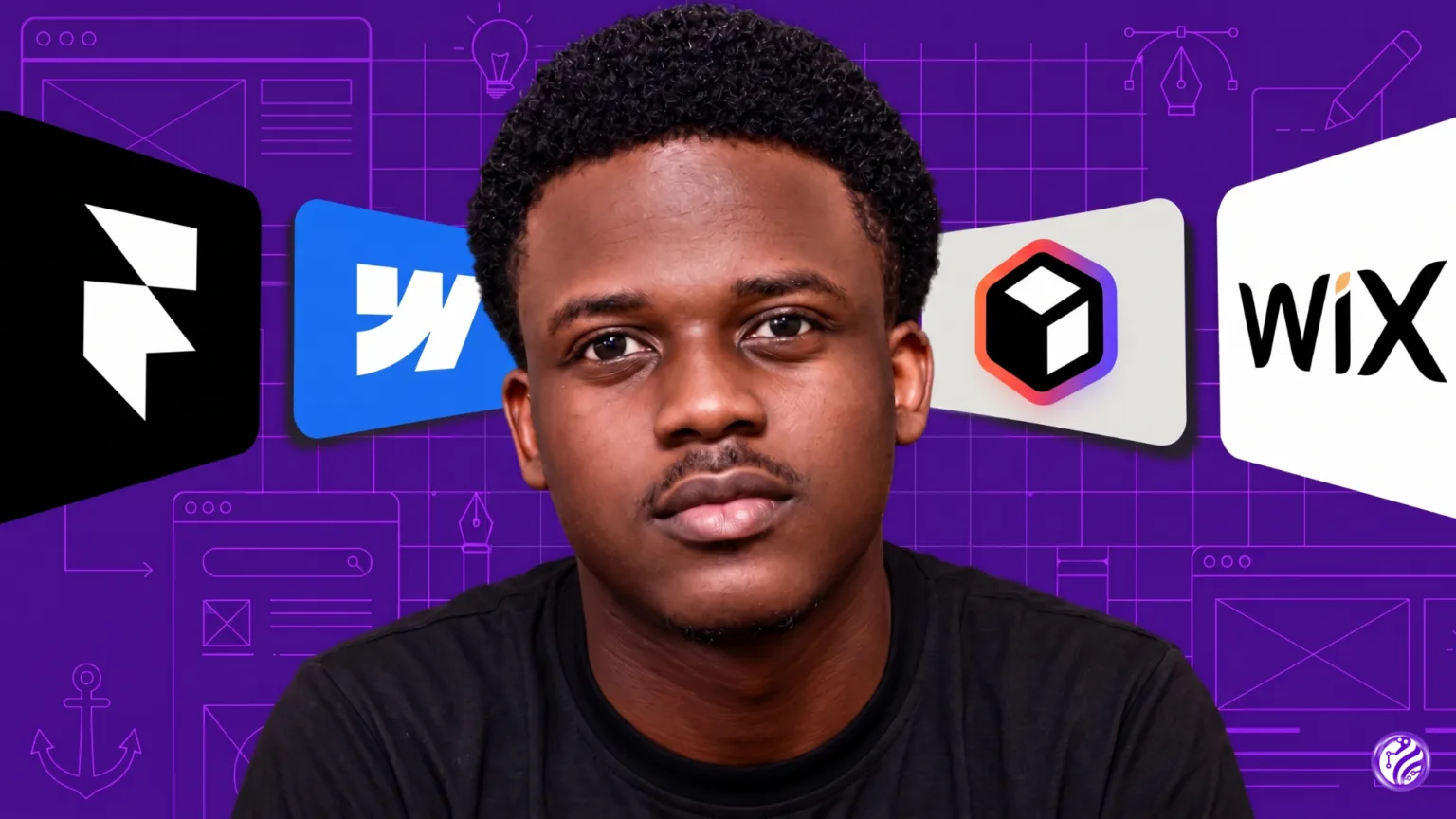
1. Framer AI
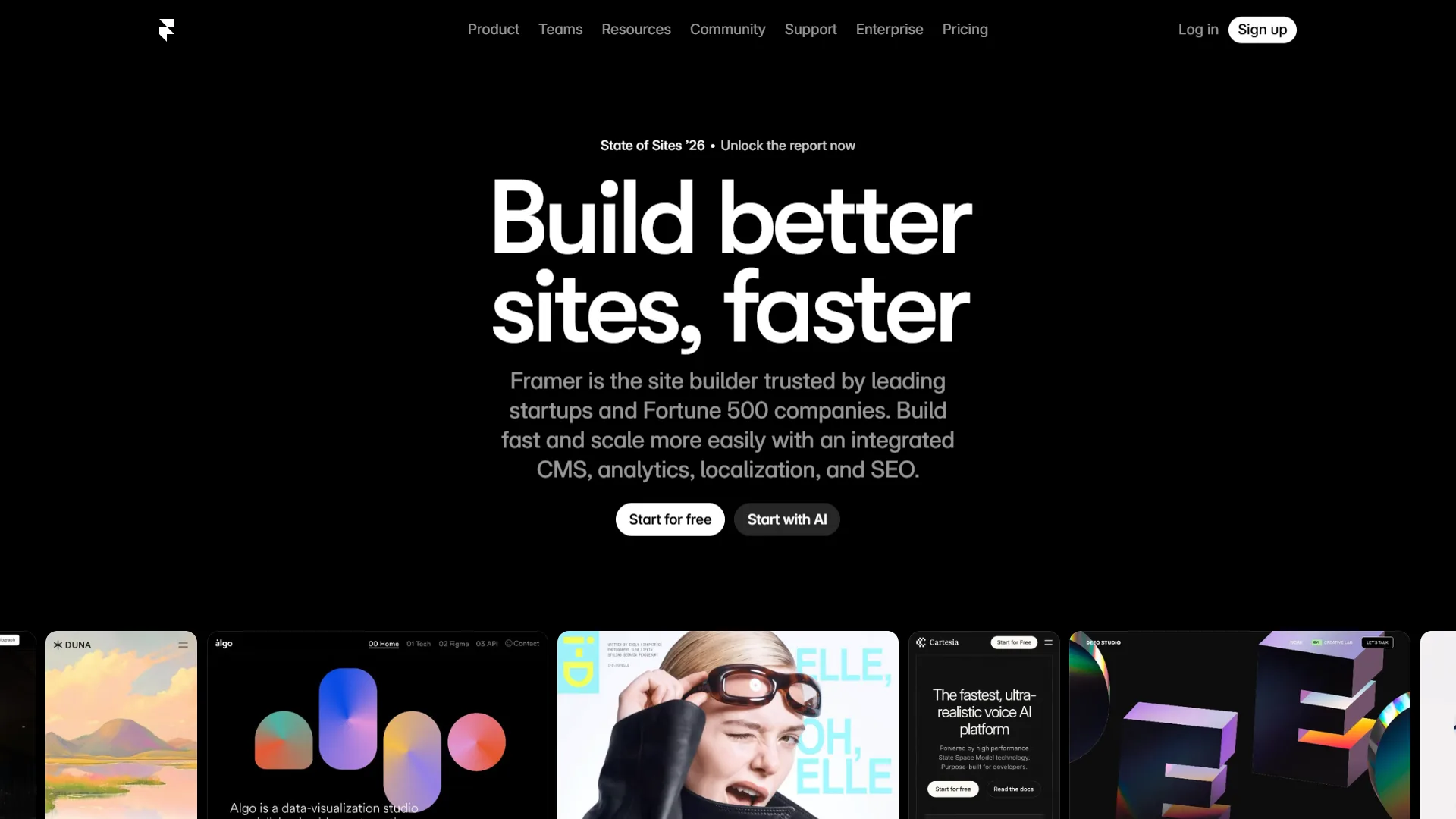
Framer AI is built for speed and visual precision. It takes a simple text prompt and generates a complete, responsive landing page with layout, copy, and styling already aligned.
What makes it powerful is its balance between automation and control. You can generate a page instantly, then fine-tune every element without touching code.
From a conversion standpoint, Framer AI excels at clean design systems. It produces layouts that naturally guide the user’s eye, which reduces cognitive load and improves engagement.
If your brand relies on modern aesthetics and strong visual storytelling, this tool gives you an edge.
2. Loveable
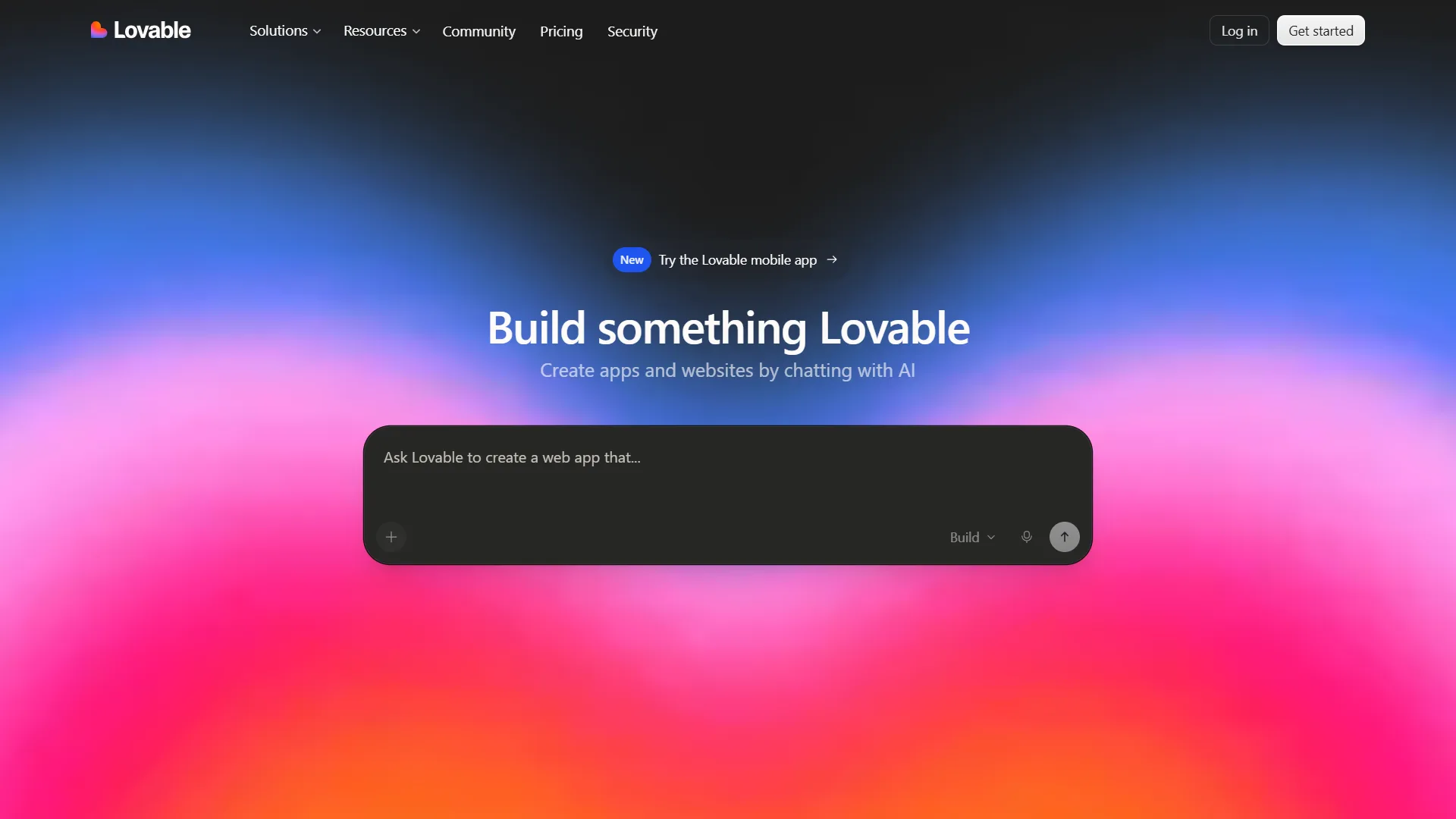
Lovable focuses heavily on simplicity and emotional design. It is not trying to overwhelm you with features. Instead, it prioritizes clarity and user experience.
This matters more than most founders realize. Conversion is often less about complexity and more about removing friction.
Loveable generates landing pages that feel intuitive. Clear messaging, logical structure, and minimal distractions. That combination increases the likelihood that visitors take action.
It is especially effective for startups validating new ideas where speed and clarity matter more than perfection.
3. Relume
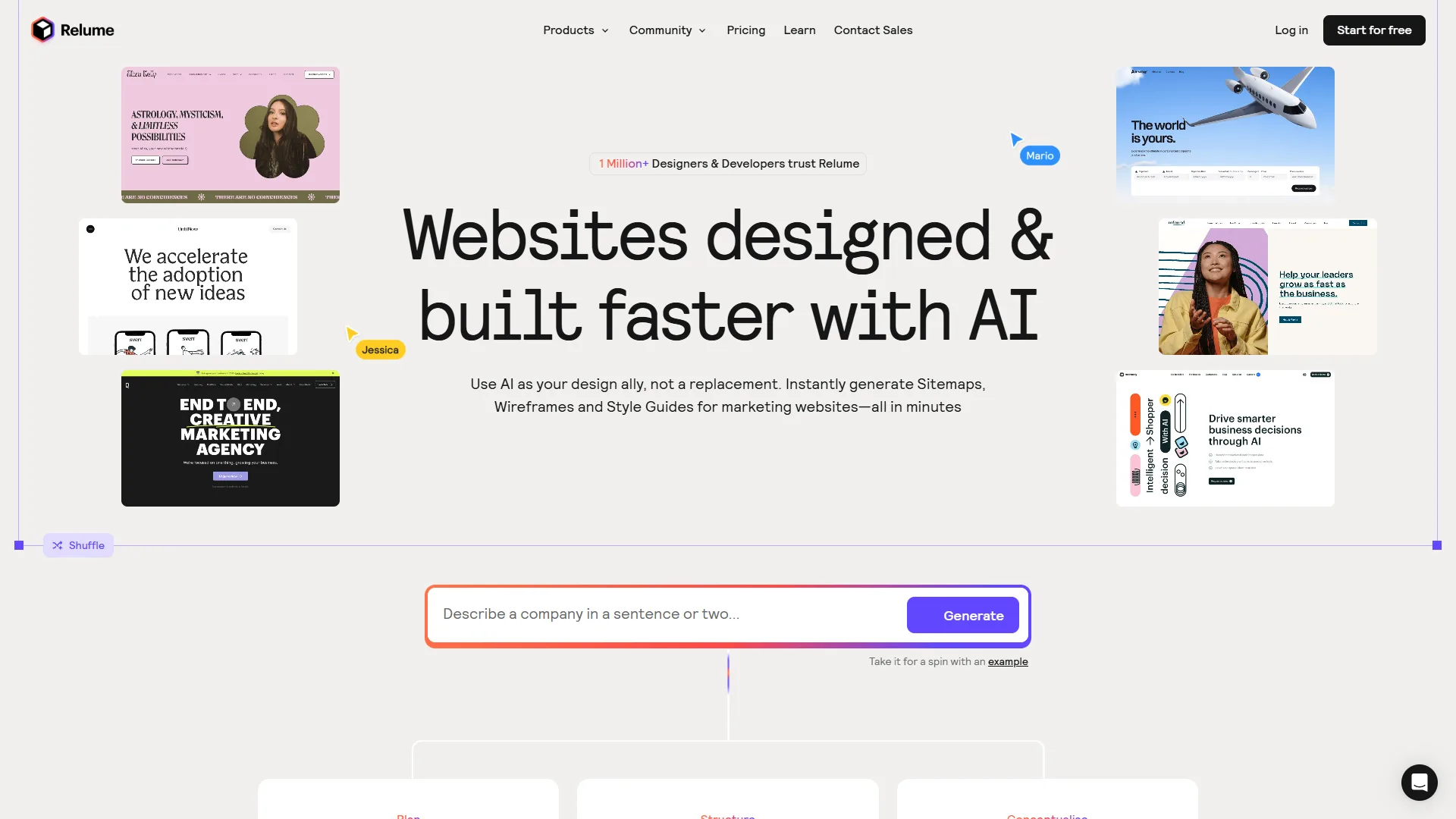
Relume is a different beast. It does not just generate pages. It helps you think in systems.
It provides structured components and wireframes based on proven UX patterns. Instead of guessing what sections your landing page needs, Relume builds it using conversion-focused frameworks.
This is where most AI website builder tools fall short. They generate something that looks good but lacks strategic depth.
Relume forces you into high-performing structures. Hero sections that communicate value instantly. Social proof blocks that build trust. CTAs placed where users are most likely to act.
If you care about conversion optimization AI rather than just aesthetics, Relume is a strong contender.
4. Webflow AI
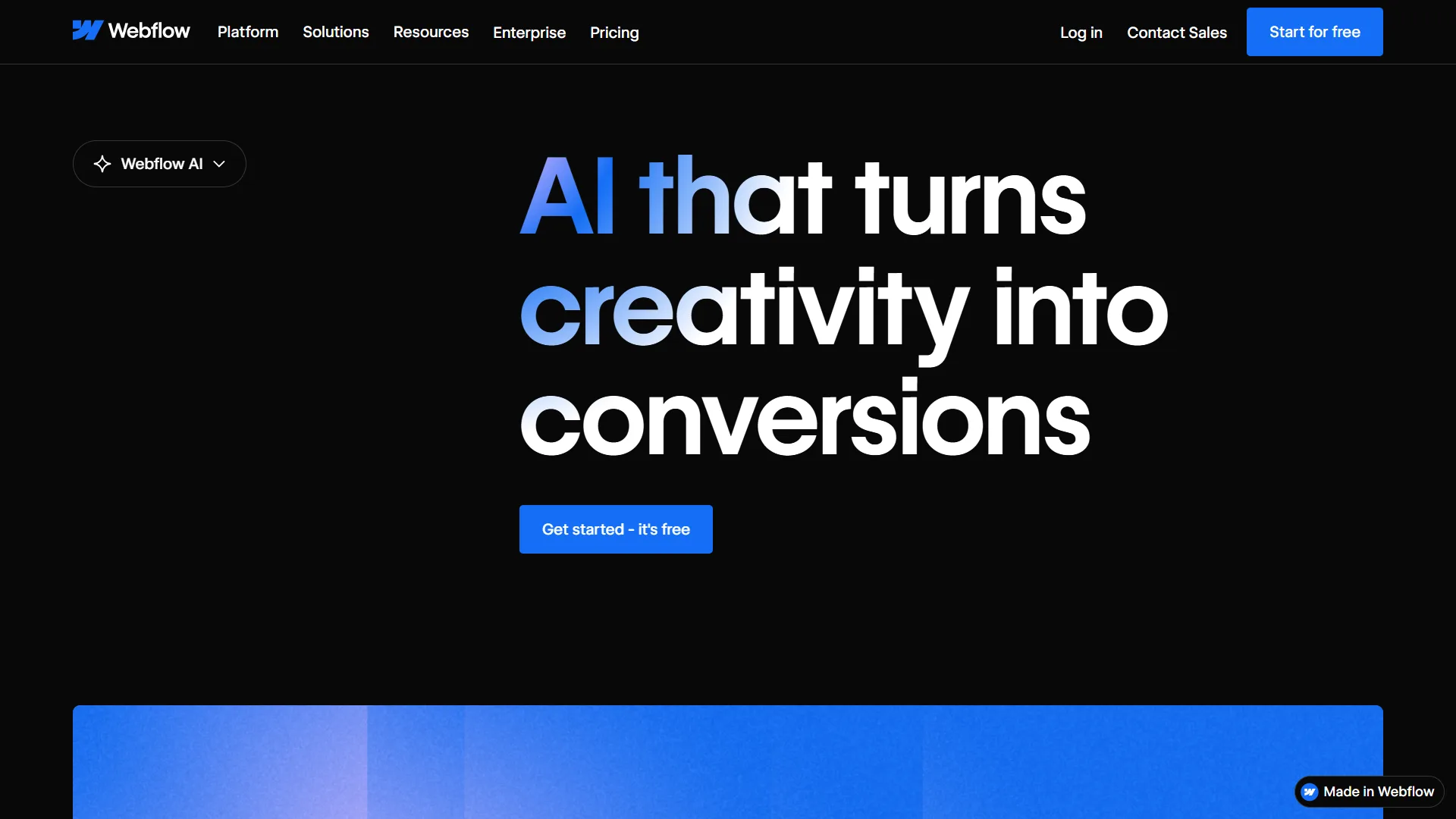
Webflow AI brings automation into a platform already known for professional-grade web design.
This is not for beginners who want instant results with zero effort. It is for founders and teams who want AI assistance while maintaining full creative and technical control.
Webflow AI can generate layouts, suggest content, and accelerate workflows. But the real power lies in its flexibility.
You are not locked into templates. You can build highly customized landing pages that still benefit from AI speed.
For businesses scaling aggressively, this combination of control and efficiency is critical. You can maintain brand consistency while moving fast.
5. Vercel (v0)
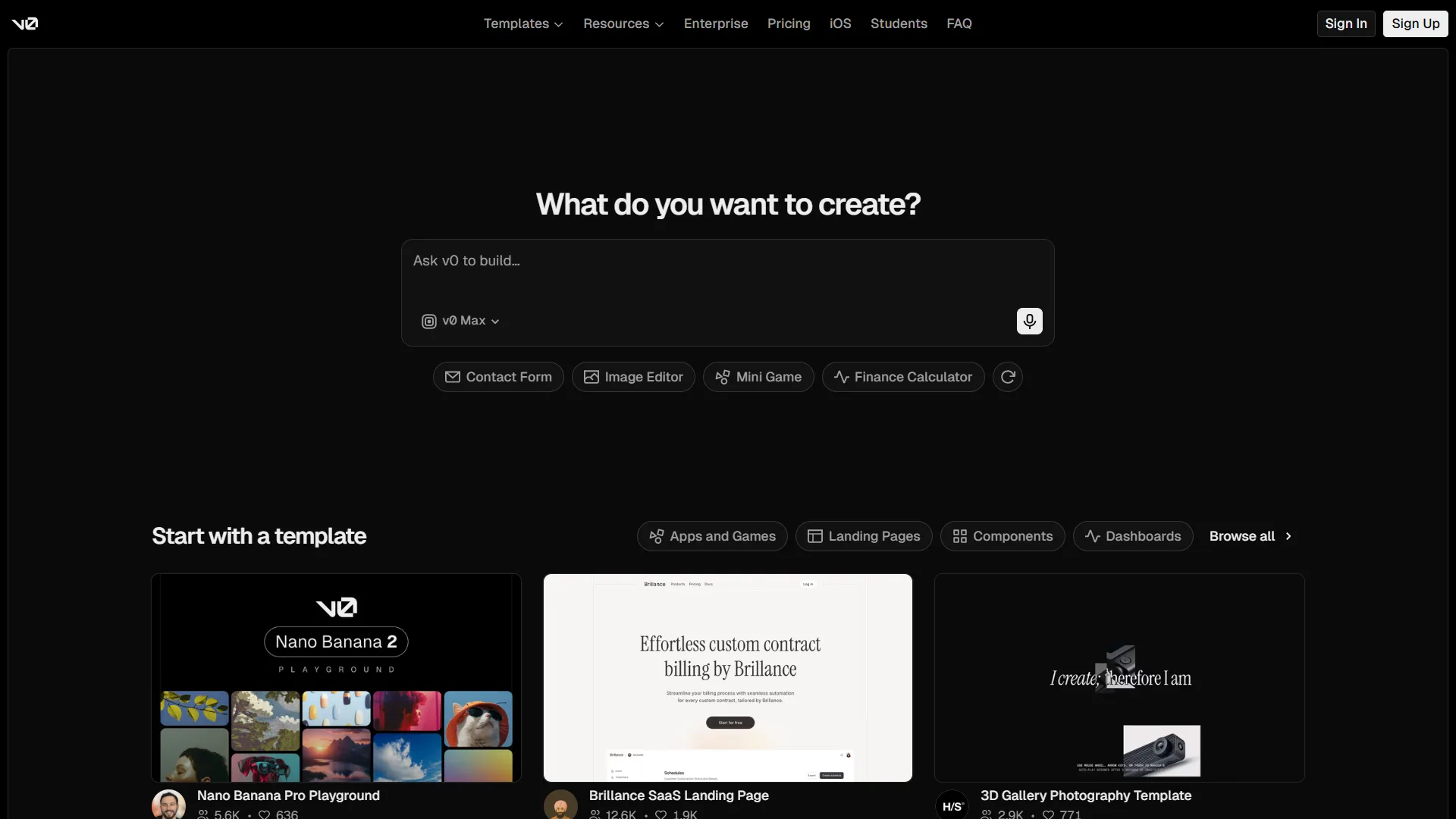
Vercel’s v0 is not a typical landing page builder. It is closer to a developer-first AI interface generator.
You describe what you want, and it generates production-ready UI components. This is ideal for SaaS founders or technical teams who need landing pages tightly integrated with their products.
The advantage here is performance and scalability. Pages built with v0 are optimized for speed and modern web standards.
From a conversion perspective, page speed is not optional. Even small delays can reduce conversions significantly.
If your business relies on performance-driven funnels, Vercel v0 gives you a technical edge that most no-code tools cannot match.
6. Manus
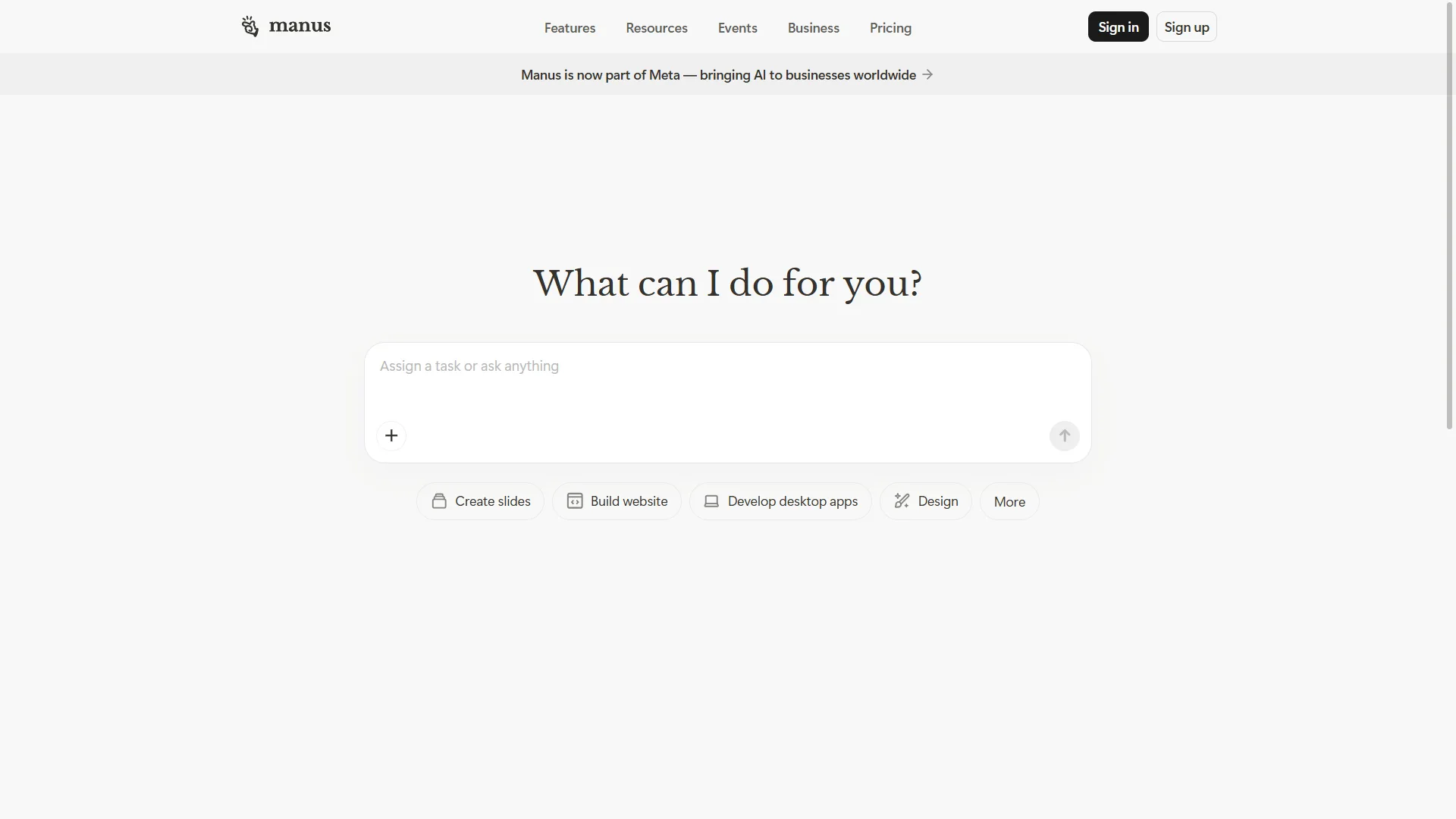
Manus is less mainstream but highly interesting. It leans into automation and workflow integration.
Instead of just building pages, it connects the landing page creation process with broader business systems. Think content generation, marketing workflows, and deployment pipelines working together.
This reduces operational overhead.
For entrepreneurs managing multiple campaigns, Manus can streamline execution. You are not just building landing pages fast. You are building them as part of a scalable system.
That distinction matters when you move from experimentation to growth.
7. Wix AI
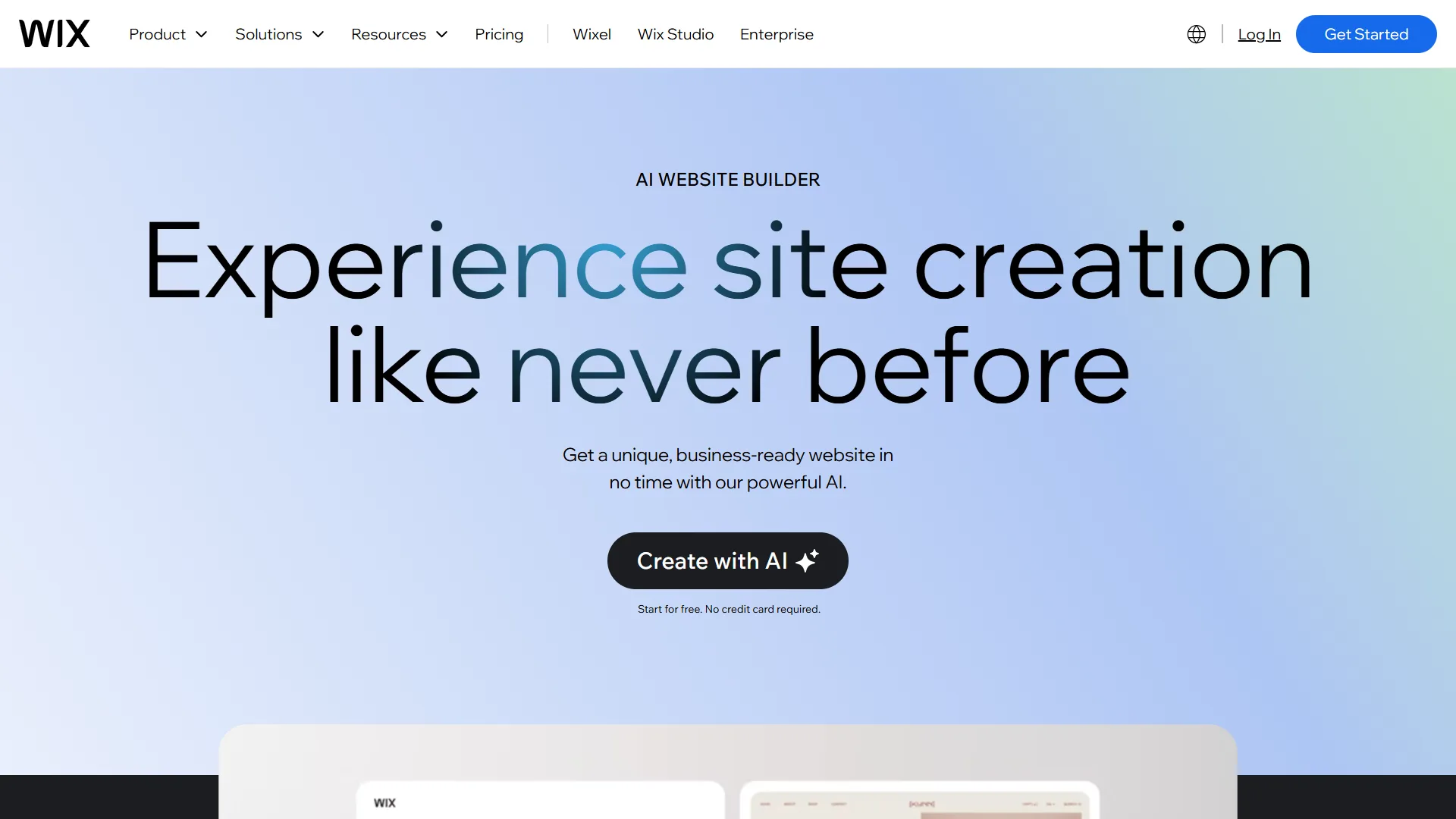
Wix AI is one of the most accessible tools on this list. It is designed for ease of use, but it has evolved significantly in terms of capability.
It can generate complete landing pages based on a few inputs about your business. Layout, copy, and design elements are all handled automatically.
The real strength of Wix AI is speed for non-technical users. You can go from zero to live page in minutes.
However, the trade-off is flexibility. You may hit limitations if you want deep customization or advanced integrations.
That said, for small businesses or entrepreneurs testing new offers, Wix AI is more than sufficient to build landing pages fast and validate ideas.
What Actually Drives Conversions
Here is where most people get it wrong.
They think the tool is the advantage. It is not.
The tool is leverage. The real advantage comes from how you use it.
Every high-converting landing page shares a few core principles:
Clear value proposition. Visitors should understand what you offer within seconds.
Focused messaging. One page, one goal. No distractions.
Strong call to action. Tell users exactly what to do next.
Trust signals. Testimonials, case studies, or data that reduce skepticism.
Fast load times. Performance directly impacts conversions.
AI landing page builders can help you execute these principles faster. But they cannot think strategically for you.
If your messaging is weak, no tool will save you.
How to Choose the Right Tool
Do not pick based on hype. Pick based on your business model and stage.
If you need speed and simplicity, Wix AI or Loveable will get you live quickly.
If you want structured, conversion-focused design, Relume is a strong choice.
If design quality and branding matter, Framer AI stands out.
If you need flexibility and scalability, Webflow AI or Vercel v0 are better fits.
If you are building systems rather than isolated pages, Manus becomes interesting.
Each tool solves a different problem. Choosing the wrong one creates friction instead of removing it.
The Real Opportunity Most Founders Miss
Here is the uncomfortable truth.
Most entrepreneurs are not limited by tools. They are limited by execution.
They spend weeks comparing AI website builder tools instead of launching pages and testing offers.
The market does not reward preparation. It rewards iteration.
You should be launching multiple landing pages, testing different angles, and refining based on data.
AI makes this possible at a scale that was previously unrealistic.
If you are still building one page and hoping it works, you are playing the wrong game.
Final Take
AI landing page builders have fundamentally changed how businesses approach growth.
They reduce the cost of experimentation. They increase the speed of execution. And they allow smaller teams to compete with larger ones.
But they also raise the bar.
If everyone can build fast, the winners will be those who think better, test faster, and execute more strategically.
Use these tools as leverage, not as a crutch.
Because at the end of the day, the page does not convert.
The strategy behind it does.