

B2B sales has changed. Not gradually, but aggressively. If you’re still relying on manual prospecting, generic outreach, and intuition-driven pipelines, you’re already behind.
AI tools for B2B sales are not just “nice to have” anymore. They are leverage. They compress time, reduce guesswork, and expose opportunities that human reps simply cannot process at scale.
But here’s the problem: most founders and sales leaders are using these tools wrong. They stack software without strategy. They automate noise instead of signal.
So instead of listing tools blindly, let’s break down the ones that actually move revenue and why they matter.
The New Sales Reality: Speed + Precision Wins
The old model was volume. More calls, more emails, more demos.
That model is dead.
Today’s winning formula is precision targeting, personalized engagement, and timing. The right message to the right buyer at the right moment.
That’s exactly what modern AI sales software enables.
1. Apollo.io – The Prospecting Engine
If your pipeline is weak, nothing else matters.
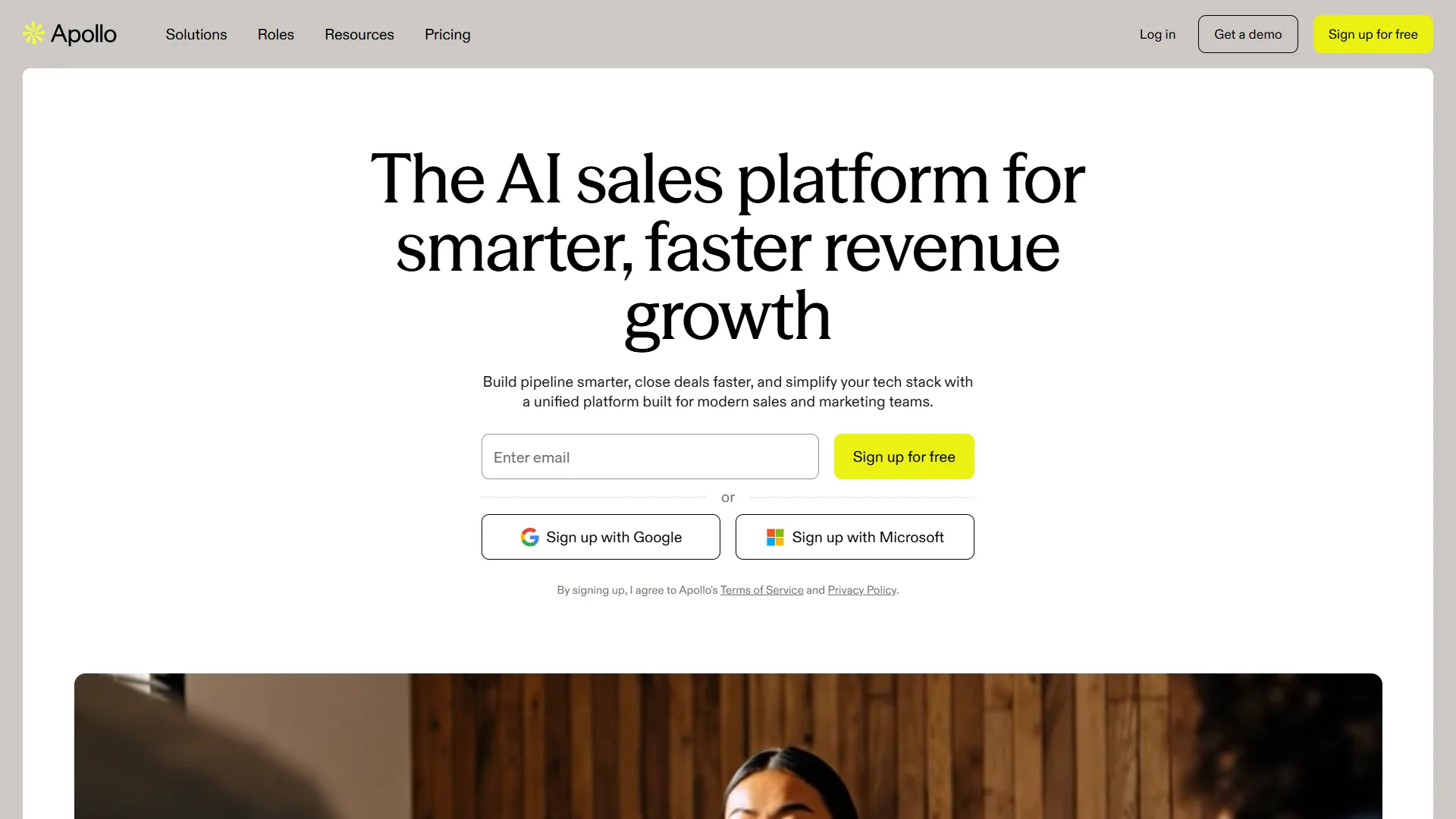
Apollo.io is one of the strongest AI prospecting tools available. It combines a massive B2B database with intelligent filtering and outreach automation.
What makes it powerful is not just data, but intent. You can identify companies that are actively looking for solutions like yours.
Strategic advantage:
- Build highly targeted lead lists in minutes
- Automate outreach sequences without losing personalization
- Reduce reliance on expensive external data vendors
Weakness you should watch:
Most people treat it as a spam engine. That kills deliverability and brand perception fast.
2. Gong – The Deal Intelligence Layer
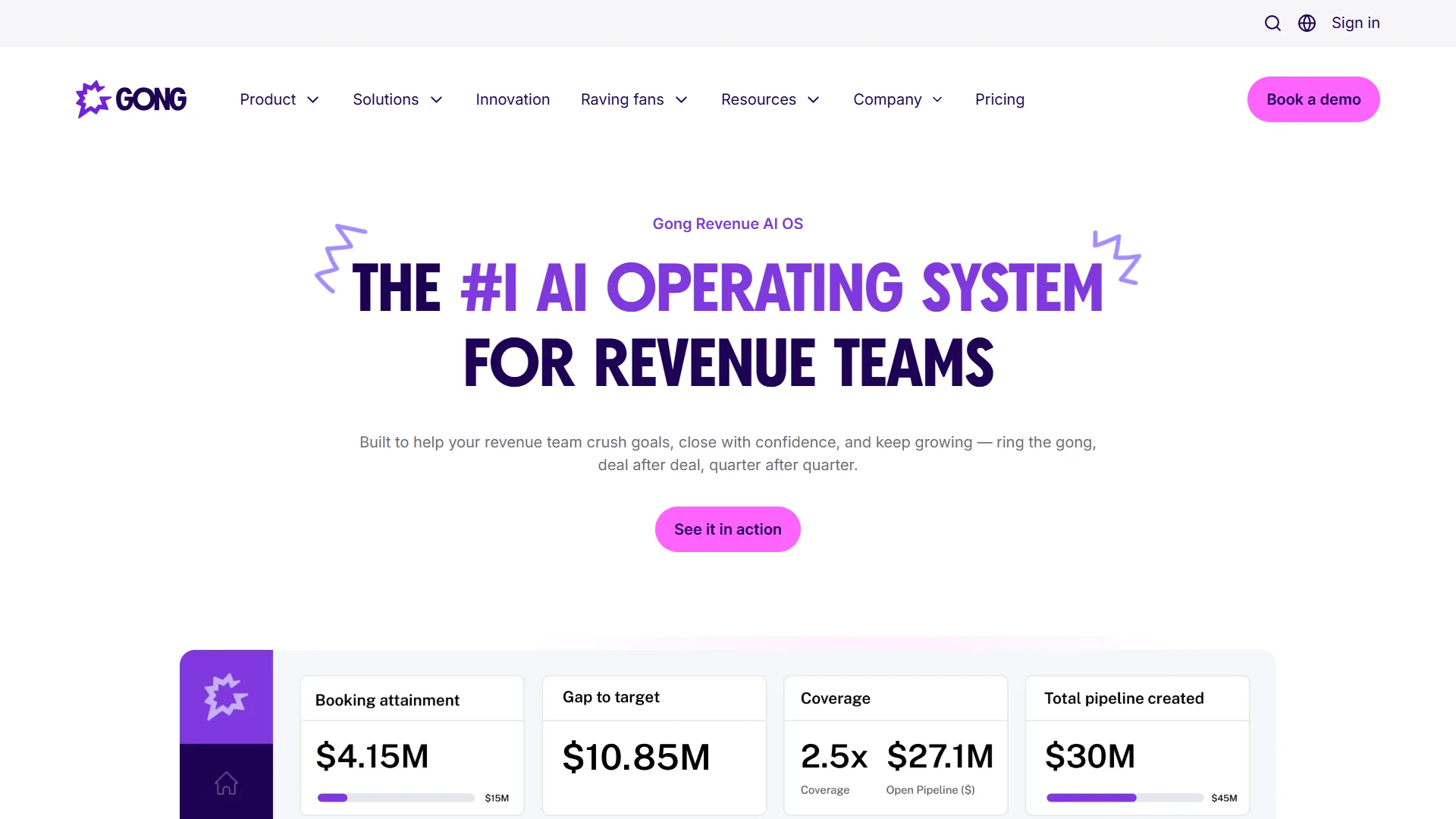
Sales calls are full of data. Most teams waste it.
Gong records, transcribes, and analyzes sales conversations to surface what actually works. It identifies patterns across winning deals and exposes mistakes in real time.
Strategic advantage:
- Understand why deals are won or lost
- Coach sales reps using real data, not opinions
- Predict deal outcomes more accurately
Hard truth:
If your team refuses feedback, Gong becomes useless. This tool amplifies discipline, not excuses.
3. Outreach – Execution at Scale
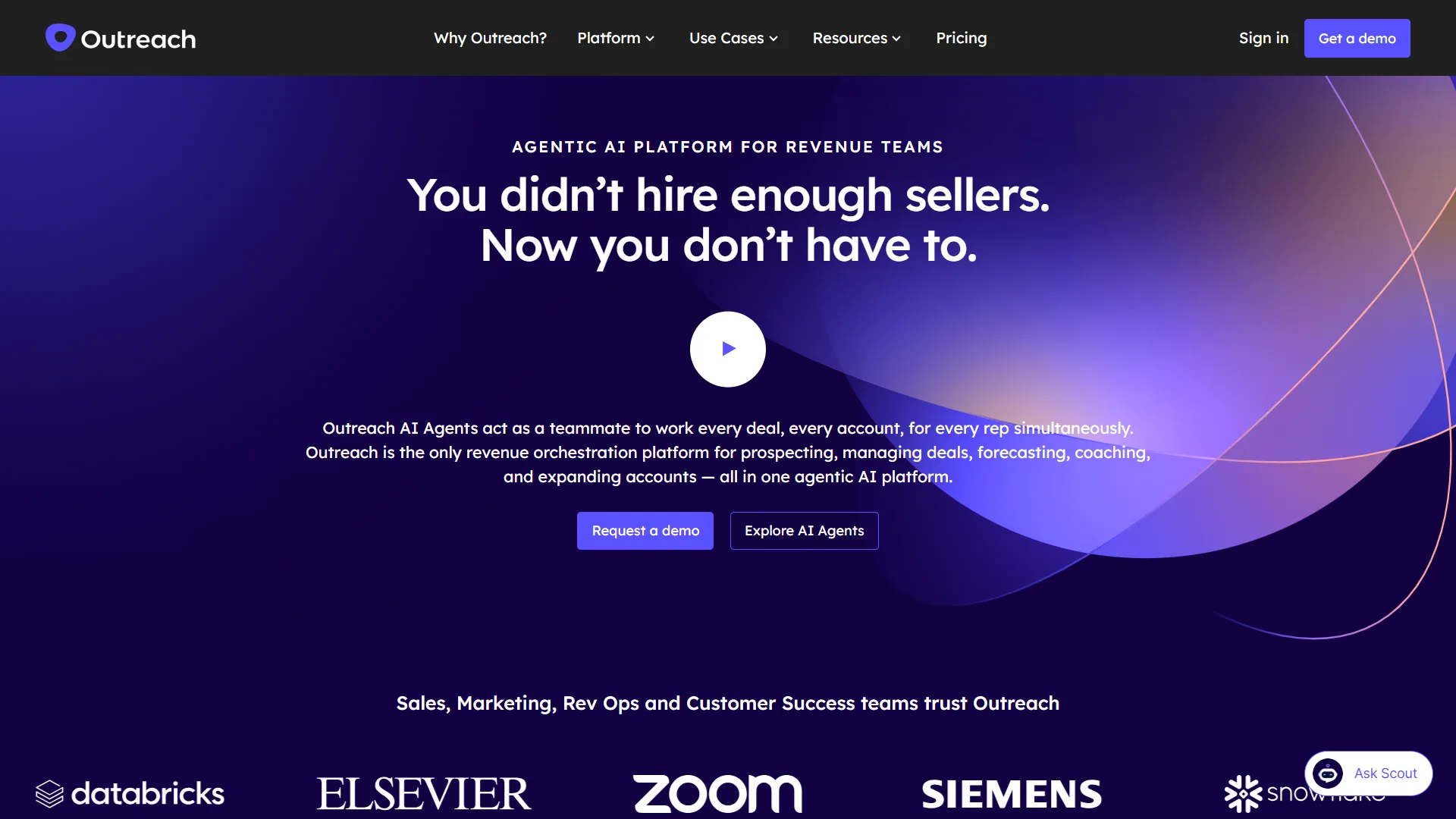
Outreach is built for one thing: consistent execution.
It allows sales teams to manage multi-channel communication across email, calls, and social while using AI to optimize timing and messaging.
Strategic advantage:
- Maintain consistent follow-ups across large pipelines
- Increase reply rates with AI-optimized messaging
- Eliminate manual tracking chaos
Common mistake:
Over-automation. If your sequences feel robotic, your response rates will collapse.
4. ZoomInfo – Data Depth and Intent Signals
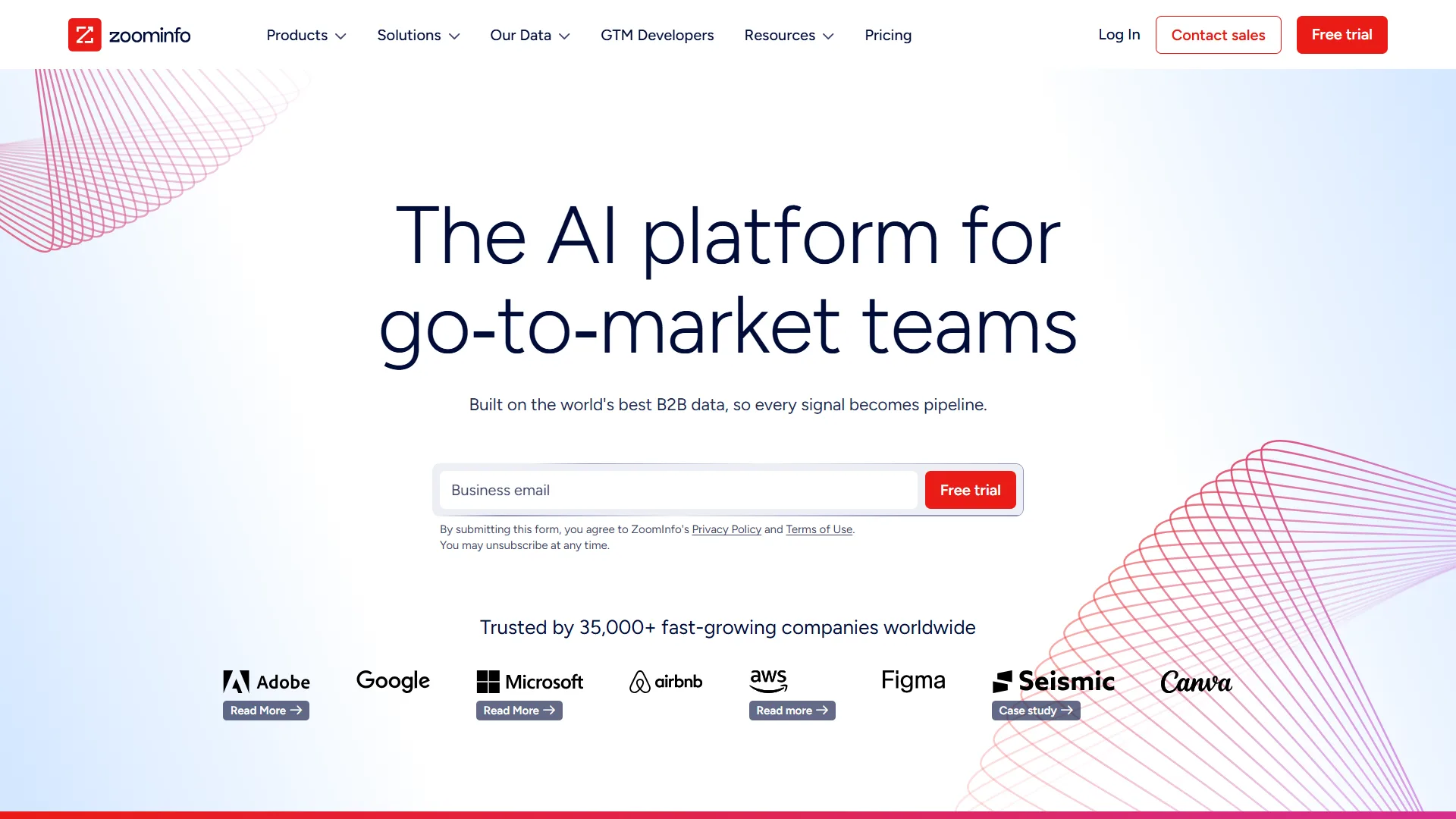
ZoomInfo is a heavyweight in sales intelligence tools. It provides deep company insights, org charts, and buyer intent data.
This is not just about finding leads. It’s about understanding them before you ever reach out.
Strategic advantage:
- Access verified contact and company data
- Identify buying signals before competitors do
- Improve targeting accuracy significantly
Reality check:
It’s expensive. If your offer and positioning are weak, better data won’t save you.
5. Salesforce Einstein / Agentforce – AI Inside the CRM
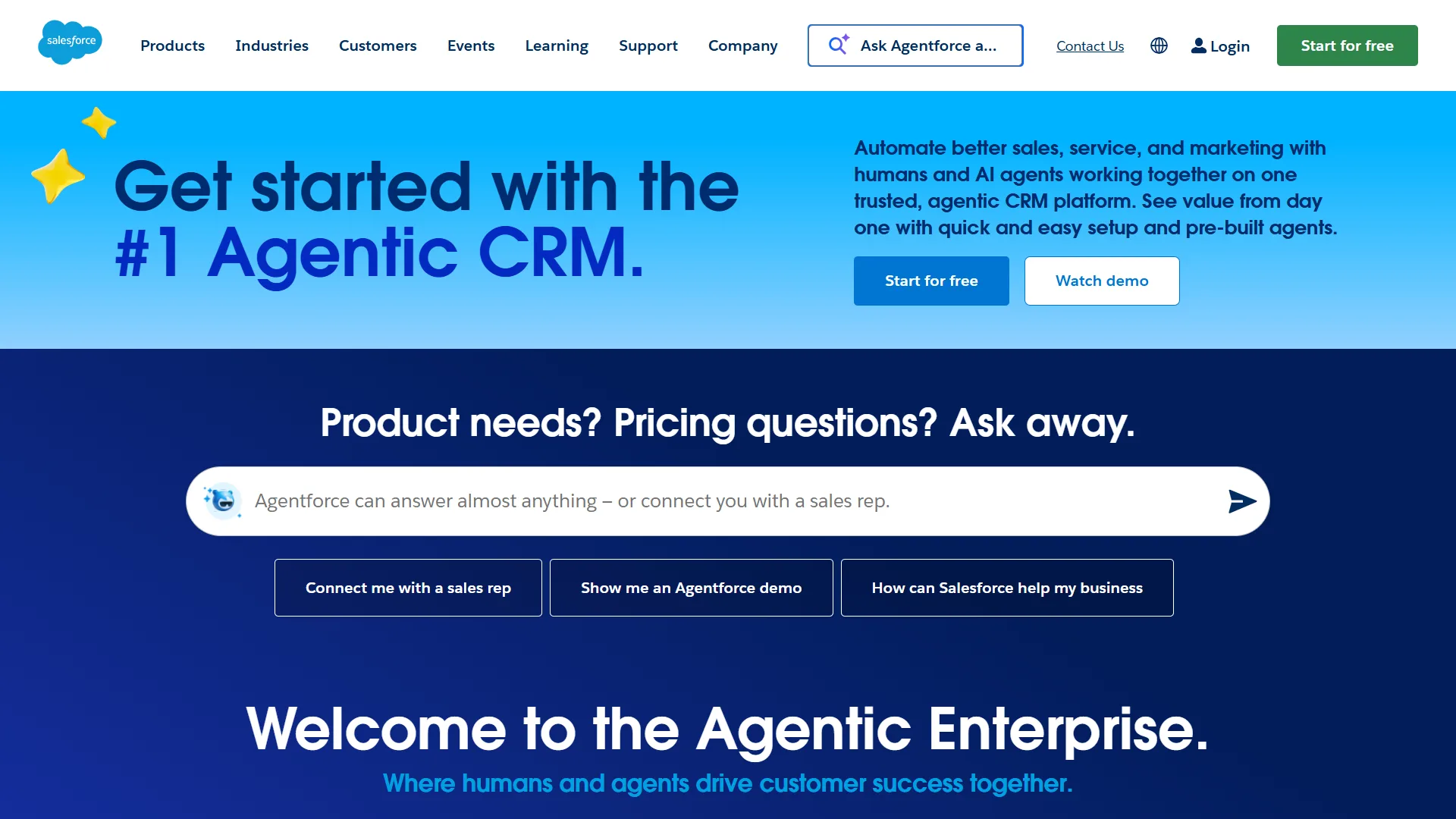
Most CRMs are passive. Salesforce changed that with AI.
Einstein and Agentforce bring predictive insights, automation, and AI-driven recommendations directly into your sales workflow.
Strategic advantage:
- Predict which deals are likely to close
- Automate repetitive CRM tasks
- Guide reps with next-best actions
Critical insight:
AI inside a broken CRM setup is useless. Clean data is non-negotiable.
6. HubSpot Sales Hub (Breeze AI) – Simplicity Meets Intelligence
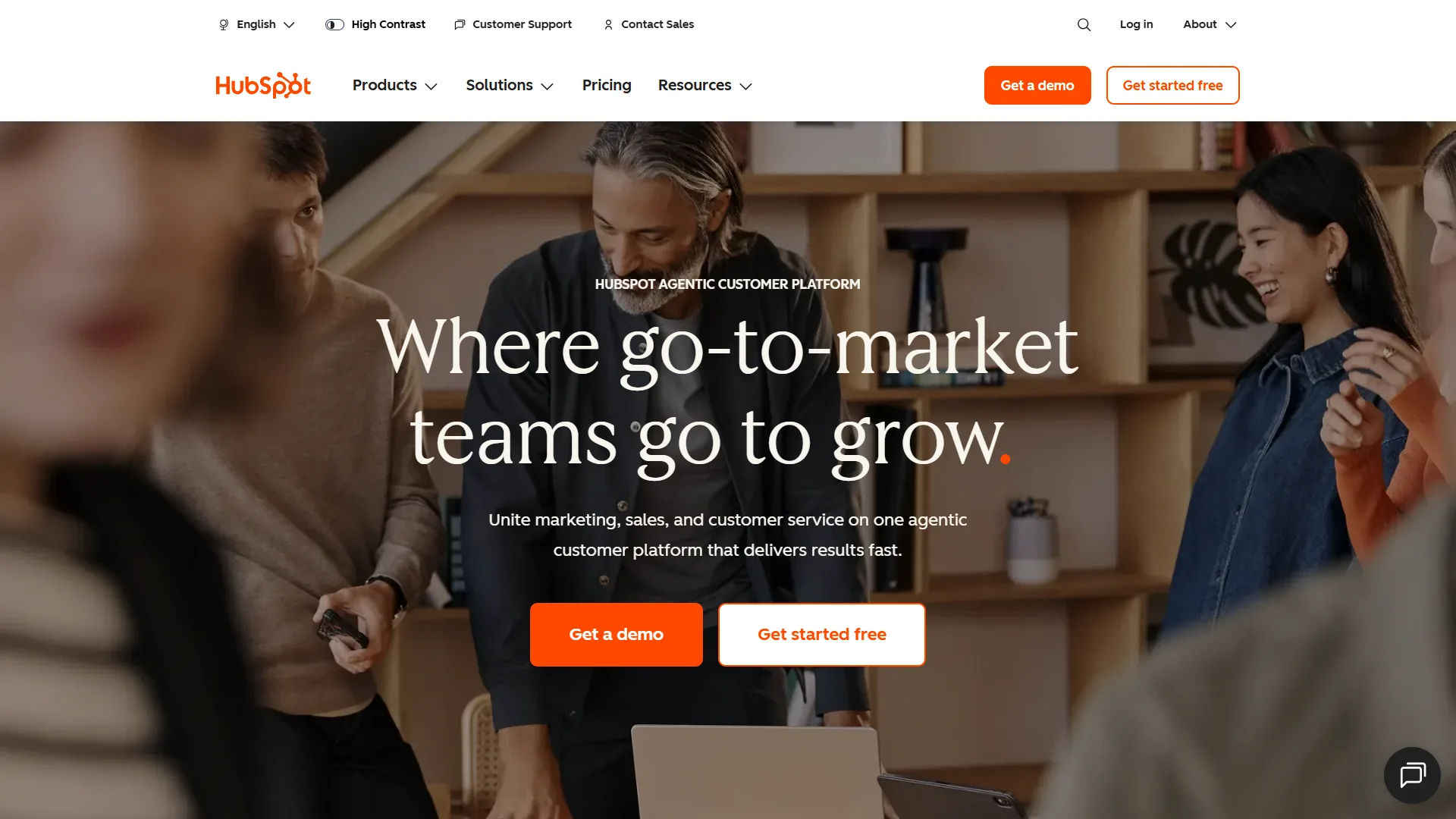
HubSpot has evolved into a serious AI CRM tool with its Breeze AI capabilities.
It’s ideal for teams that want power without complexity.
Strategic advantage:
- Easy onboarding and adoption
- AI-assisted email writing and deal tracking
- Strong alignment between marketing and sales
Limitation:
Not as deep as enterprise tools, but often that’s a benefit for speed.
7. Clay – The Growth Hacker’s Weapon
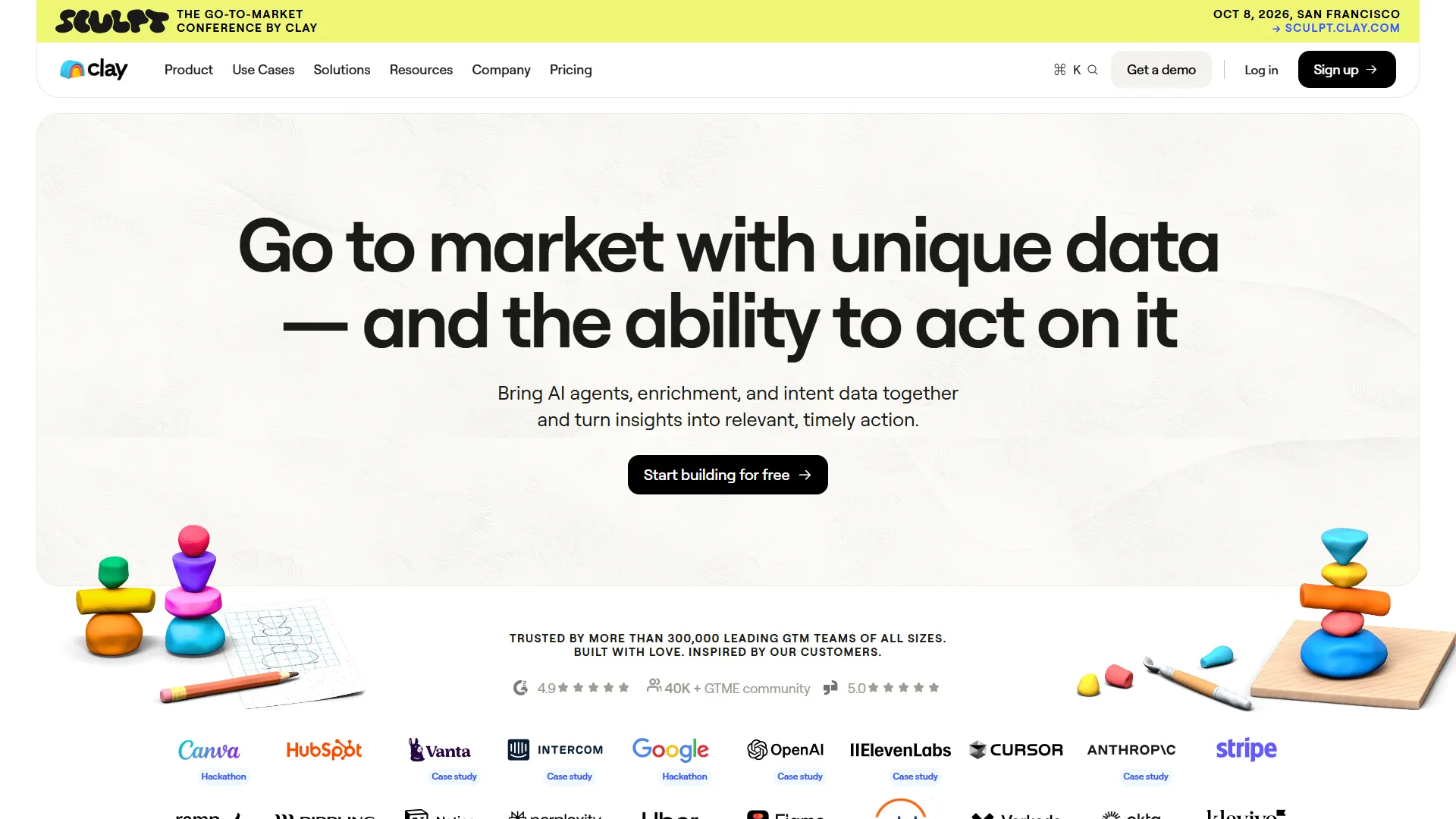
Clay is different. It’s not a traditional sales tool.
It allows you to combine multiple data sources, enrich leads, and build hyper-personalized outreach at scale.
Strategic advantage:
- Create highly customized lead data workflows
- Enrich prospects with unique insights
- Enable creative outbound strategies
Brutal truth:
Clay rewards operators. If you’re lazy, it becomes overwhelming.
8. 6sense – Predictive Revenue Engine
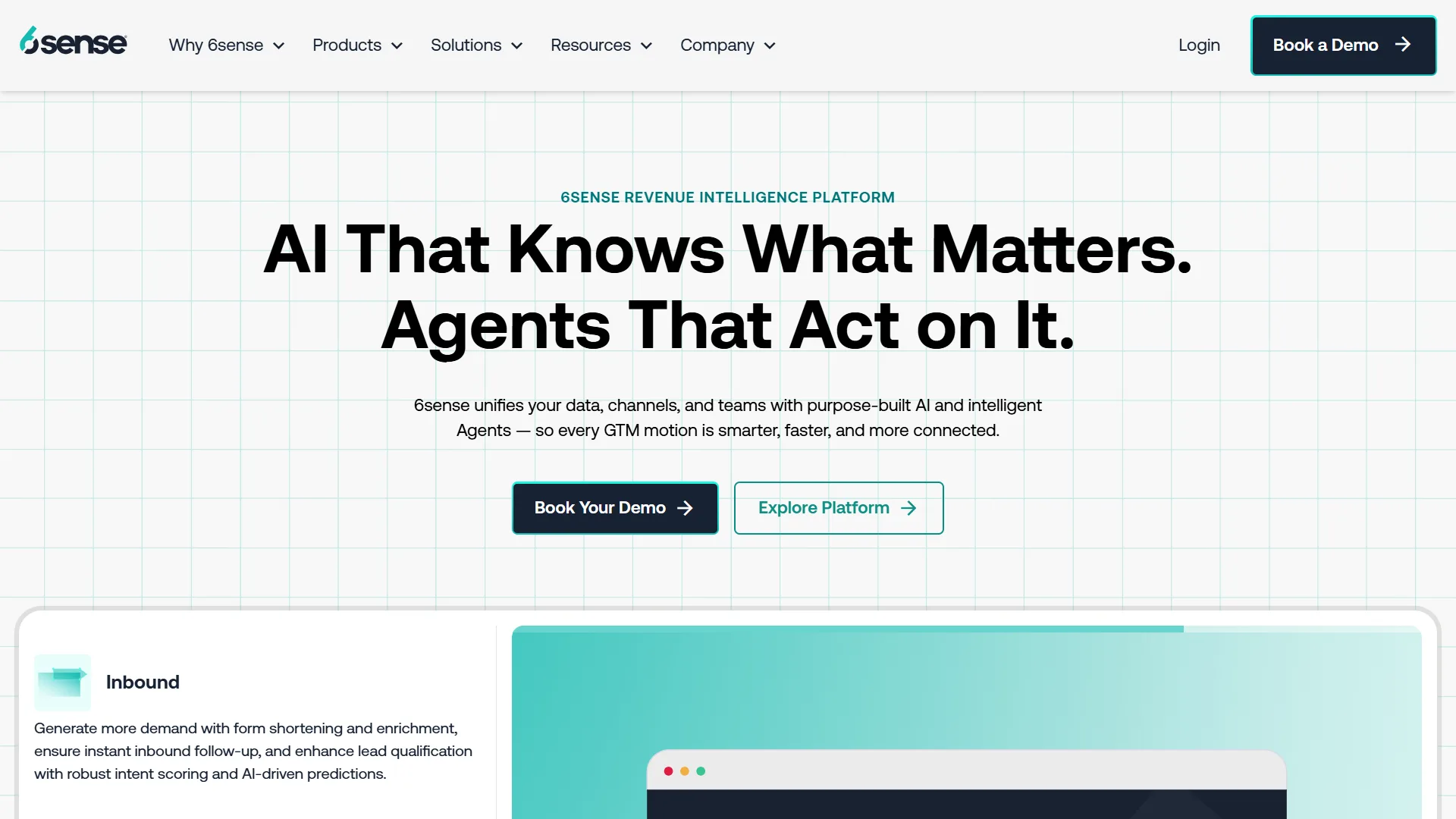
6sense focuses on account-based marketing and predictive analytics.
It tells you which companies are in-market and where they are in the buying journey.
Strategic advantage:
- Prioritize high-intent accounts
- Align sales and marketing around real signals
- Reduce wasted outreach
Important:
It works best with strong data infrastructure and defined ICP.
9. Salesloft – Pipeline Control System
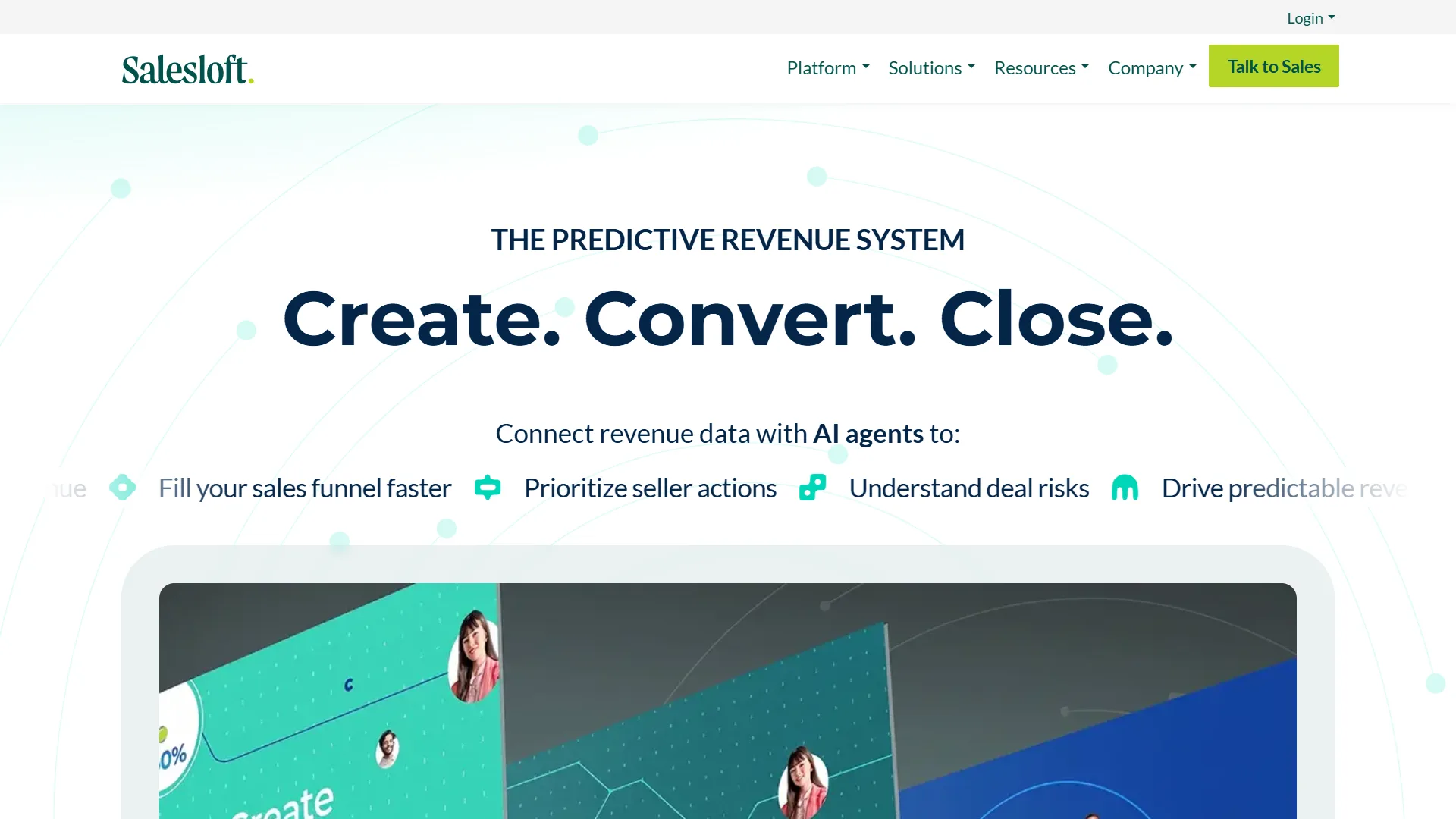
Salesloft is another major player in sales engagement platforms.
It gives visibility into pipeline activity while helping teams execute consistently.
Strategic advantage:
- Track engagement across the entire pipeline
- Standardize sales processes
- Improve team accountability
Watch out:
Tools like this expose underperformance quickly. Not everyone likes that.
10. Lavender – AI for Better Emails
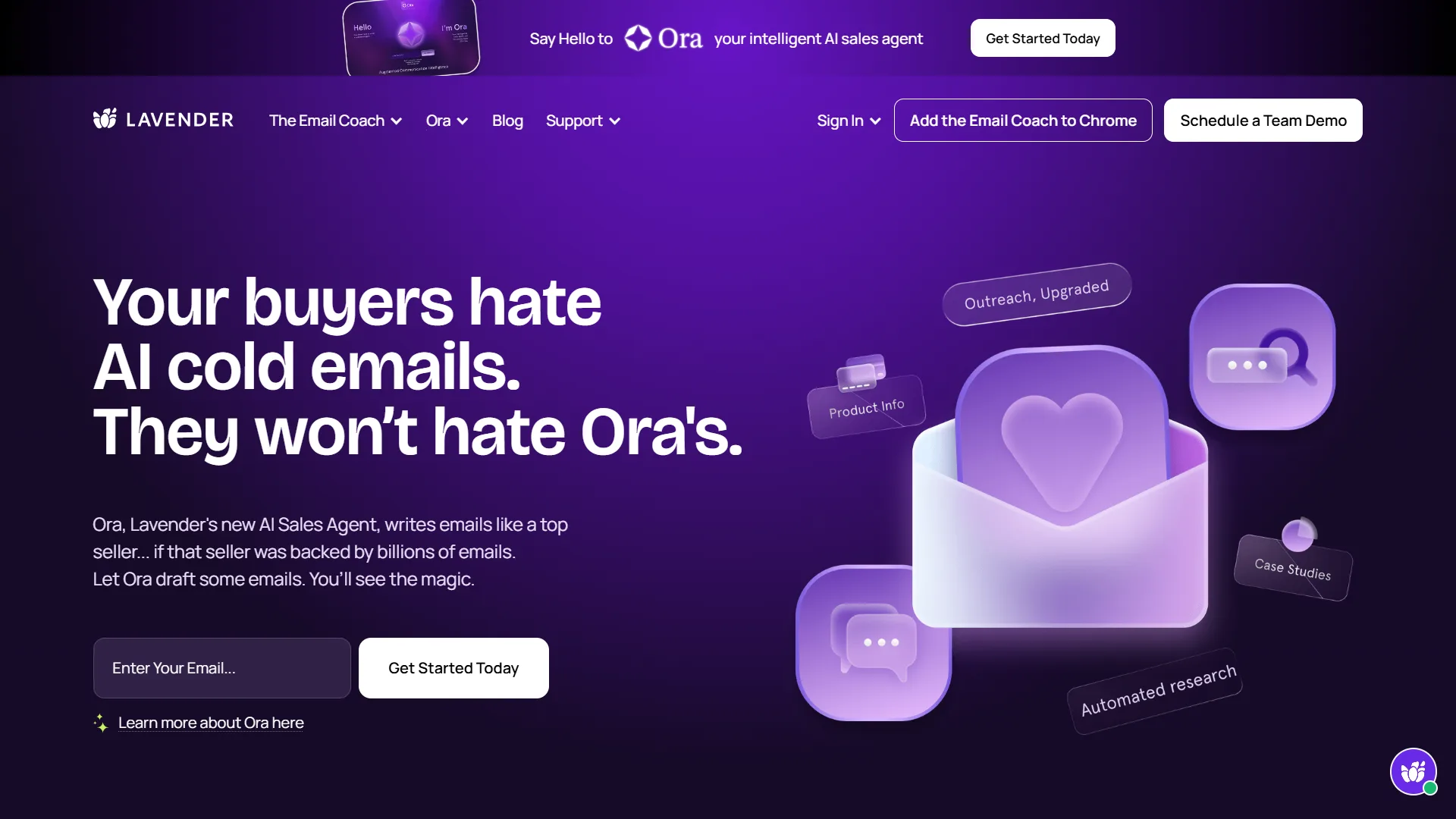
Email is still the backbone of B2B sales.
Lavender uses AI to analyze and improve email quality in real time.
Strategic advantage:
- Increase reply rates with smarter writing
- Optimize tone, length, and clarity
- Reduce guesswork in messaging
Reality:
It won’t fix a bad offer. It only improves how you communicate it.
How to Actually Use These Tools (Most People Fail Here)
Stacking the best AI sales tools means nothing if your foundation is weak.
Here’s the hard truth most won’t tell you:
- Tools amplify strategy. They don’t replace it.
- Bad targeting + AI = faster failure
- Automation without personalization destroys trust
- Data quality determines everything
If you’re serious about results, your stack should look like this:
- Data + intent: ZoomInfo or Apollo
- Engagement: Outreach or Salesloft
- Intelligence: Gong
- CRM + AI: HubSpot or Salesforce
- Personalization layer: Clay + Lavender
That’s a system, not a collection of tools.
Final Take: AI Is Not Optional Anymore
The gap between AI-enabled sales teams and traditional ones is widening fast.
This is not about keeping up. It’s about survival.
But don’t fall into the trap of chasing tools.
Focus on leverage:
- Better data
- Smarter targeting
- Stronger messaging
- Consistent execution
Then use AI to scale it.
That’s how deals actually get closed in 2026.