

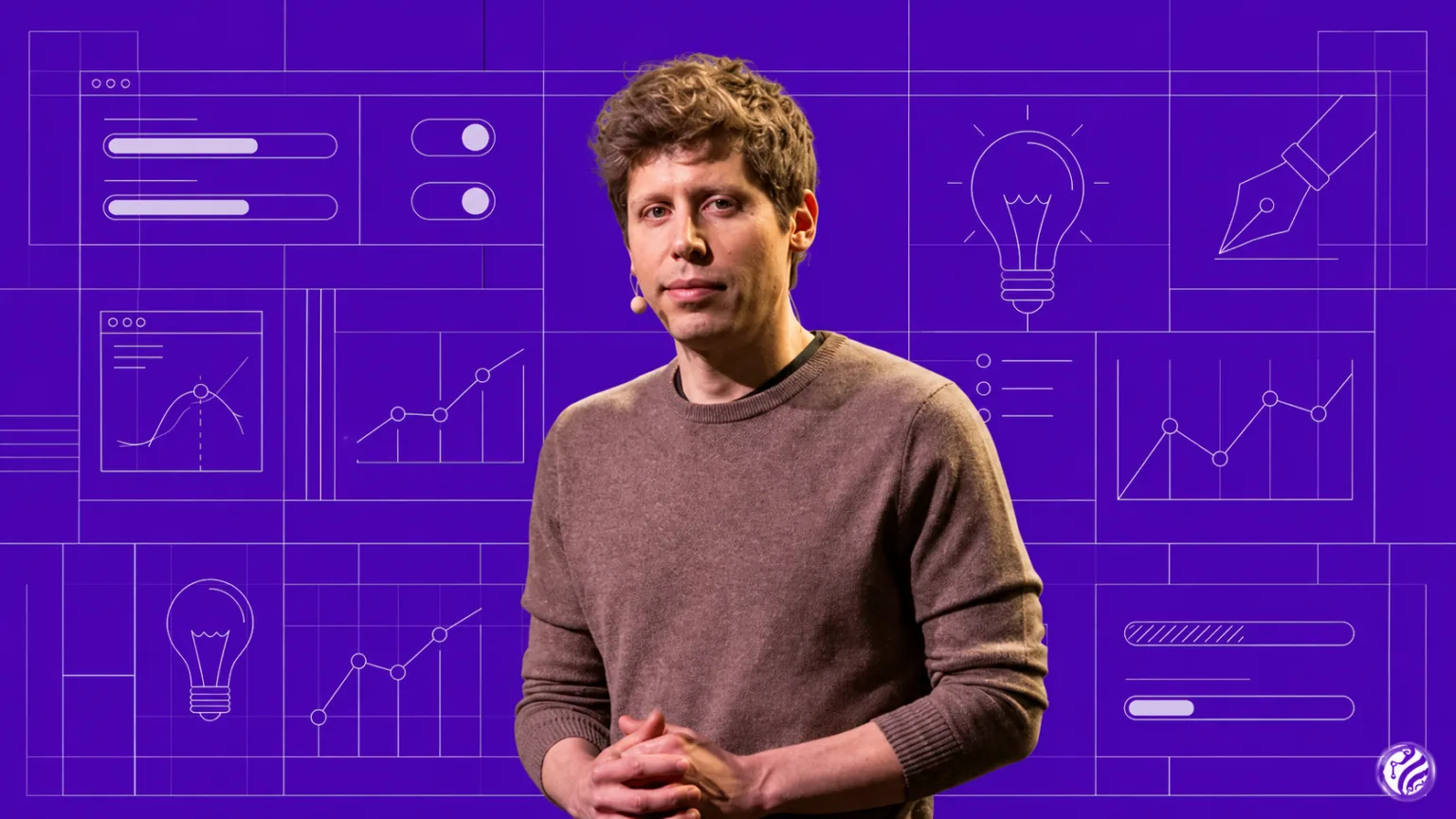
Few figures in modern technology have influenced artificial intelligence as rapidly as Sam Altman.
As the CEO of OpenAI, Altman became one of the central faces of the global AI revolution. Under his leadership, OpenAI transformed from a research-focused organization into one of the most influential technology companies in the world.
But long before AI dominated headlines, Sam Altman was already deeply connected to the startup ecosystem and Silicon Valley culture.
His rise reflects a combination of technical curiosity, strategic thinking, and an unusual ability to identify major technology shifts before they become mainstream.
Early Life and Background
Sam Altman was born on April 22, 1985, in Chicago, Illinois, United States.
From an early age, he showed strong interest in computers and technology. Like many influential figures in Silicon Valley, his fascination with computing started young and evolved into entrepreneurship.
He later attended Stanford University, where he studied computer science.
However, like several well-known tech founders, Altman did not complete his degree. He left Stanford to focus on building startups during the rapidly growing internet era.
That decision would shape the rest of his career.
Loopt and Early Entrepreneurial Experience
In 2005, Altman co-founded Loopt, a location-based social networking application.
At the time, smartphone ecosystems were still developing, making the concept relatively ahead of the market.
Loopt became part of the first batch of startups funded by Y Combinator, one of Silicon Valley’s most influential startup accelerators.
Although Loopt never became a dominant consumer platform, the experience gave Altman valuable insight into:
- Startup fundraising
- Product development
- Scaling challenges
- Investor relations
- Silicon Valley networks
In 2012, Loopt was acquired, providing Altman with both financial success and increased credibility in the startup world.
The Rise at Y Combinator
Sam Altman’s profile expanded significantly after joining Y Combinator leadership.
In 2014, he became president of the accelerator, succeeding Paul Graham.
Under Altman’s leadership, Y Combinator grew aggressively and expanded its influence across the technology ecosystem.
The accelerator funded and supported startups across industries including:
- Software
- Artificial intelligence
- Fintech
- Healthcare
- Biotechnology
- Consumer technology
Altman became known for his ability to identify ambitious founders and large-scale technological opportunities.
His reputation evolved from startup founder to one of the most connected and influential figures in Silicon Valley.
Founding OpenAI
In 2015, Altman became one of the co-founders of OpenAI alongside figures including:
The organization launched with a bold mission: ensure artificial general intelligence benefits humanity.
At the time, artificial intelligence was advancing quickly, but concerns were growing about concentration of power, safety risks, and the long-term impact of highly capable AI systems.
OpenAI initially operated as a nonprofit research organization focused on open collaboration and long-term AI safety.
Altman played a major role in shaping the organization’s strategic direction and public positioning.
The ChatGPT Explosion
OpenAI’s global influence surged after the launch of ChatGPT.
The product introduced conversational AI to mainstream audiences at unprecedented scale.
Millions of users rapidly adopted ChatGPT for:
- Writing assistance
- Coding support
- Research
- Business productivity
- Learning
- Idea generation
This moment fundamentally changed public awareness of artificial intelligence.
AI shifted from a specialized technical field into a mainstream consumer technology almost overnight.
Sam Altman became one of the most recognized leaders in the AI industry during this period.
Leadership Style and Vision
Altman is widely known for thinking in terms of long-term technological transformation.
He frequently discusses topics such as:
- Artificial general intelligence
- Economic restructuring
- AI safety
- Productivity acceleration
- Human-computer interaction
- The future of work
Unlike many executives focused solely on quarterly performance, Altman often frames AI as a civilization-level technological shift.
This broader vision helped position OpenAI not just as a software company, but as a major force shaping the future of technology itself.
Challenges and Controversies
As OpenAI grew, Altman’s leadership also attracted controversy and scrutiny.
Questions emerged around:
- AI safety
- Competition among AI companies
- Open-source vs proprietary models
- Regulation
- Corporate governance
- The concentration of AI power
One of the most dramatic moments in OpenAI’s history occurred when Altman was briefly removed as CEO before returning shortly afterward following intense backlash and internal restructuring.
The incident highlighted both his influence within the company and the broader tensions surrounding advanced AI development.
Sam Altman’s Influence on AI
Today, Sam Altman is considered one of the defining figures of the modern AI era.
His work helped accelerate:
- Mainstream AI adoption
- Generative AI products
- AI startup ecosystems
- Enterprise AI integration
- Global AI investment
Whether admired for his ambition or criticized for the pace of AI expansion, his influence on the direction of the technology industry is undeniable.
The Bigger Picture
Sam Altman’s rise reflects more than personal success.
It reflects the transformation of artificial intelligence from a niche research field into one of the most important industries in the world.
As AI continues reshaping business, education, software, and society itself, Altman remains at the center of one of the largest technological shifts in modern history.
His story is ultimately tied to a larger question:
How humanity chooses to build and manage intelligence beyond traditional software.