


Software development is moving faster than ever. Teams are shipping features daily, AI-generated code is becoming standard, and engineering managers are under pressure to maintain quality without slowing velocity. Traditional code review processes are struggling to keep up.
That is where AI code review tools are changing the game.
Modern AI-powered review platforms do more than catch syntax mistakes. They analyze architecture decisions, identify security risks, explain complex pull requests, detect performance bottlenecks, and help teams maintain cleaner codebases at scale.
Here are the best AI code review tools developers should pay attention to in 2026.
1. GitHub Copilot Code Review
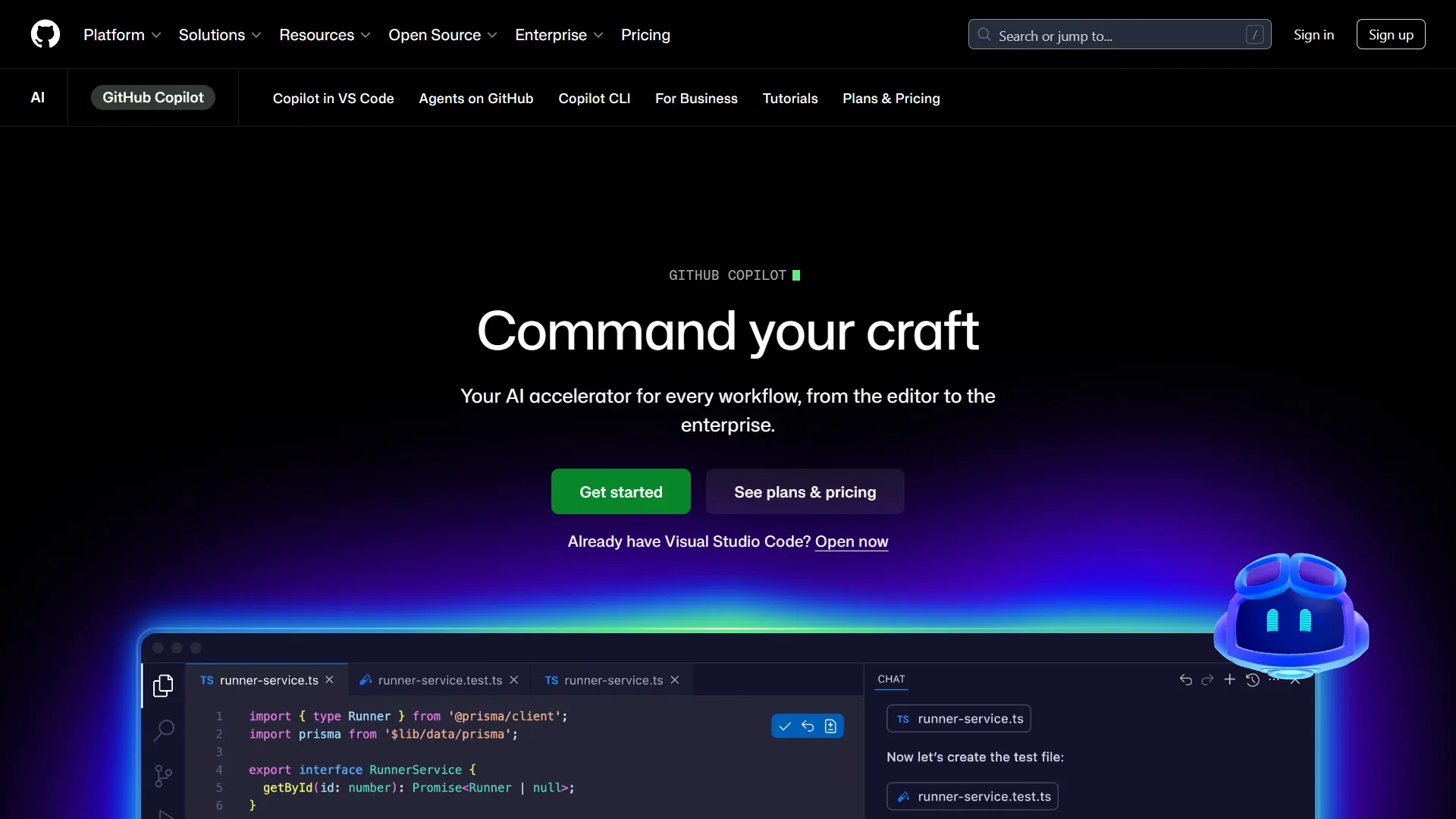
GitHub Copilot has evolved from a coding assistant into a serious code review platform. Its Code Review capabilities can automatically analyze pull requests, suggest fixes, explain logic, and identify risky changes before human reviewers even step in.
The biggest advantage is ecosystem integration. Since many teams already use GitHub, adoption is frictionless.
Key strengths include:
- Automated pull request summaries
- AI-generated review comments
- Security and bug detection
- Tight integration with GitHub workflows
- Fast onboarding for teams already using Copilot
For companies deeply embedded in GitHub’s ecosystem, this is becoming the default AI review layer.
2. CodeRabbit
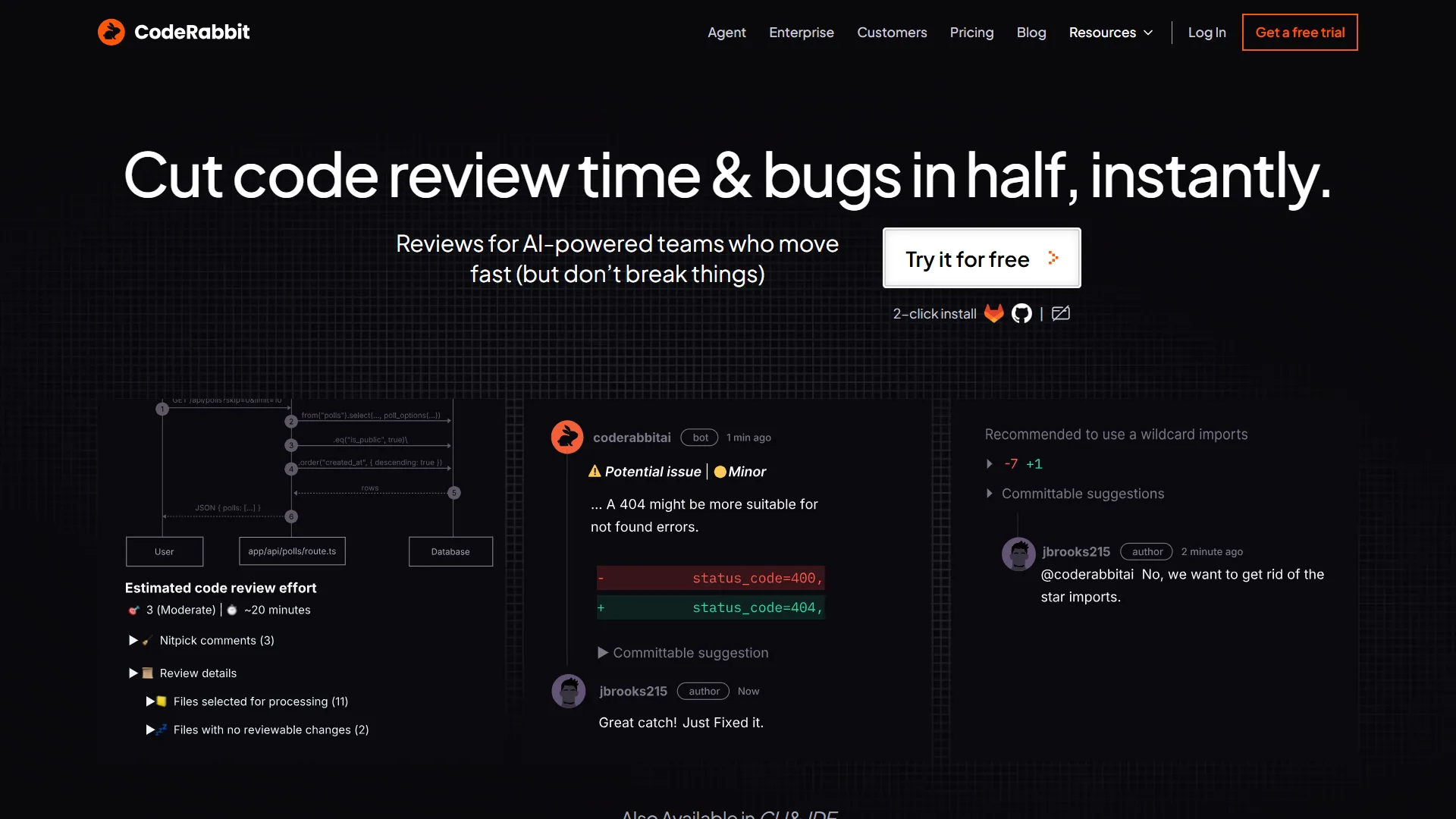
CodeRabbit has become one of the most talked-about AI review tools among modern engineering teams.
Unlike basic static analyzers, CodeRabbit acts more like an intelligent reviewer. It explains why code changes matter, identifies edge cases, and offers contextual feedback that feels surprisingly human.
Developers particularly like its conversational approach to reviews. Instead of dumping generic warnings, it focuses on actionable suggestions.
Why developers love it:
- Human-like code review comments
- Pull request summaries
- Incremental review intelligence
- Strong support for GitHub and GitLab
- Excellent developer experience
CodeRabbit is especially strong for fast-moving startups where review bottlenecks hurt shipping speed.
3. Qodo (Qodo Merge)
Qodo, formerly known as CodiumAI, positions itself around “code integrity.” Its Qodo Merge platform focuses heavily on intelligent pull request analysis and test-aware reviews.
One of its strongest differentiators is its emphasis on reasoning rather than surface-level linting.
It can:
- Analyze business logic risks
- Suggest missing test cases
- Detect hidden edge-case failures
- Improve code reliability
- Reduce regression risks
For teams building production-critical software, Qodo’s approach is highly valuable.
4. Greptile
Greptile is designed for deeper repository-level understanding. Instead of reviewing isolated code snippets, it learns your codebase structure and architectural patterns.
That matters because many bugs happen due to context, not syntax.
Greptile excels at:
- Understanding entire repositories
- Architectural reasoning
- Context-aware code analysis
- Knowledge retrieval for engineering teams
- Improving onboarding for developers
It is particularly useful for larger codebases where institutional knowledge becomes fragmented.
5. Cursor Bugbot
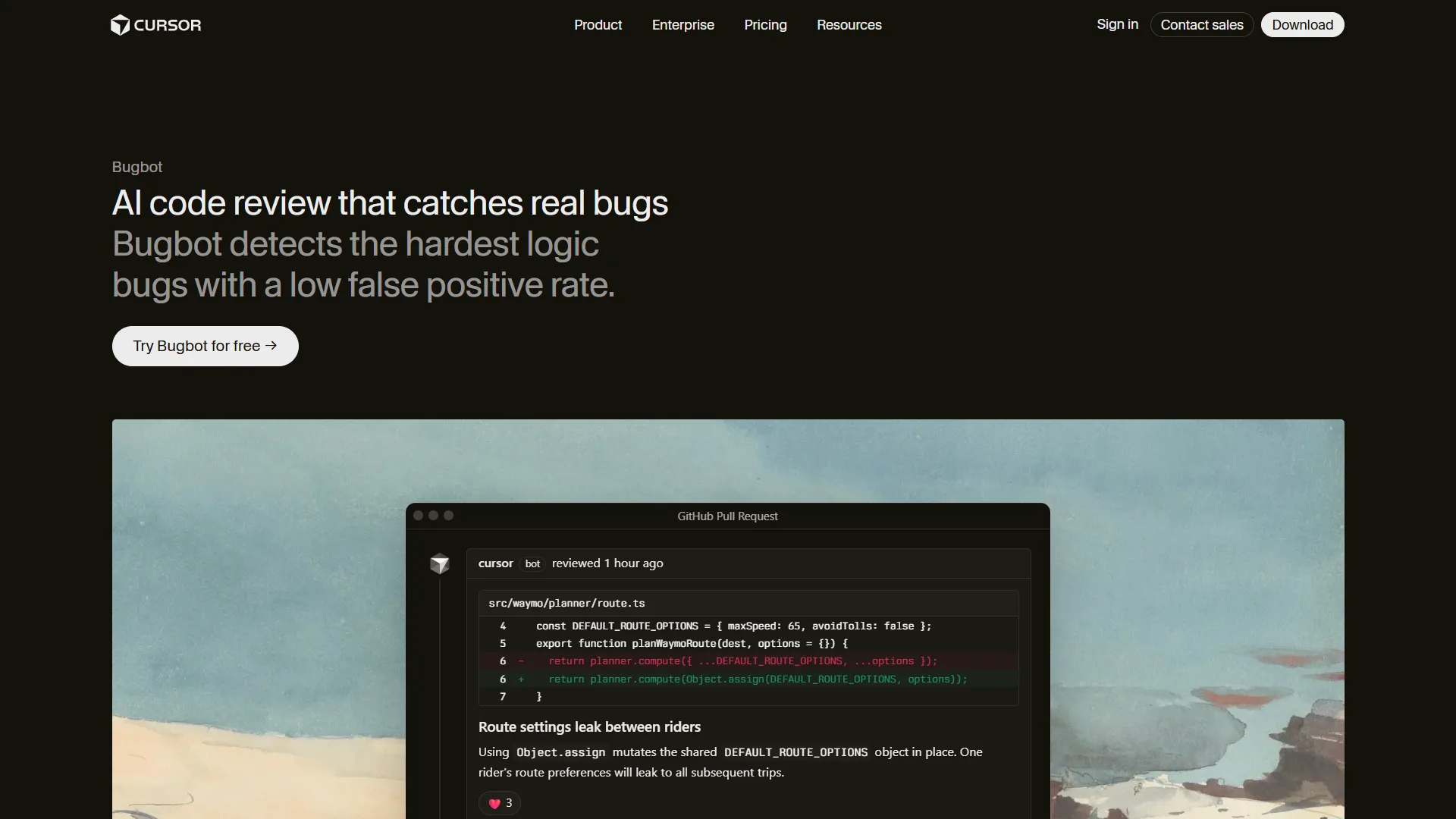
Cursor has rapidly become one of the most popular AI-native development environments, and Bugbot extends that experience into automated debugging and review assistance.
Rather than functioning only inside pull requests, Cursor continuously helps developers identify issues while coding.
Key advantages include:
- Real-time bug detection
- AI-assisted debugging
- Tight editor integration
- Fast iteration workflows
- Strong productivity improvements
For solo developers and small engineering teams, this workflow acceleration is significant.
6. Graphite Agent
Graphite focuses heavily on developer workflow optimization. Its AI Agent enhances pull request management, stack reviews, and code quality processes.
Graphite stands out because it combines AI review capabilities with developer operations efficiency.
Highlights include:
- AI-assisted PR reviews
- Better stacked pull request workflows
- Faster merge cycles
- Cleaner collaboration between engineers
- Reduced review fatigue
Engineering organizations focused on scaling review processes efficiently should pay attention to this platform.
7. Amazon CodeGuru
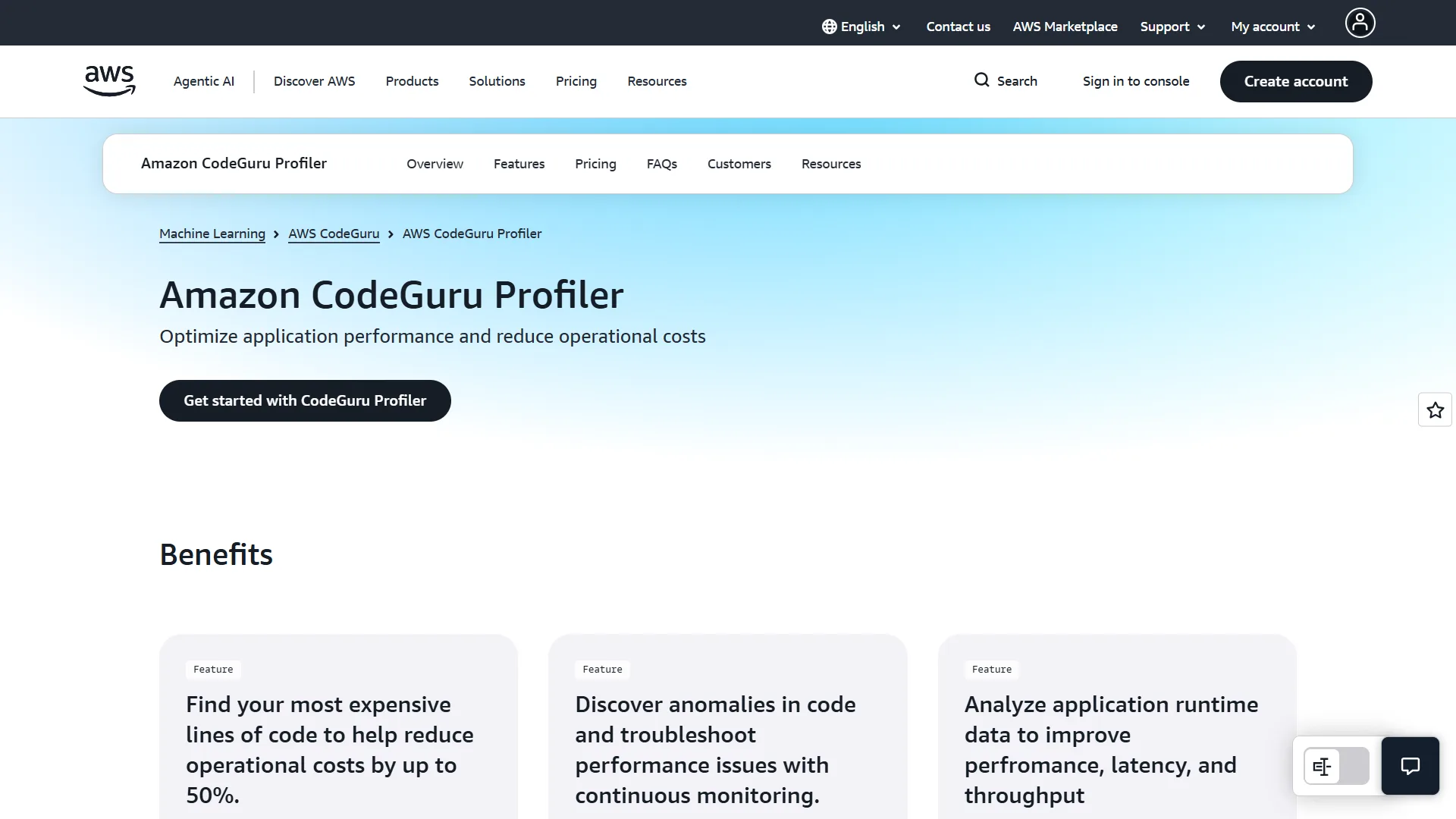
Amazon CodeGuru remains one of the strongest enterprise-grade AI review solutions, especially for teams operating heavily inside AWS environments.
Its core value lies in performance optimization and security analysis.
Amazon CodeGuru can:
- Detect costly AWS inefficiencies
- Recommend performance improvements
- Identify security vulnerabilities
- Analyze runtime behavior
- Reduce cloud infrastructure waste
While some newer tools feel more developer-friendly, CodeGuru remains powerful for enterprise infrastructure-heavy teams.
8. DeepSource
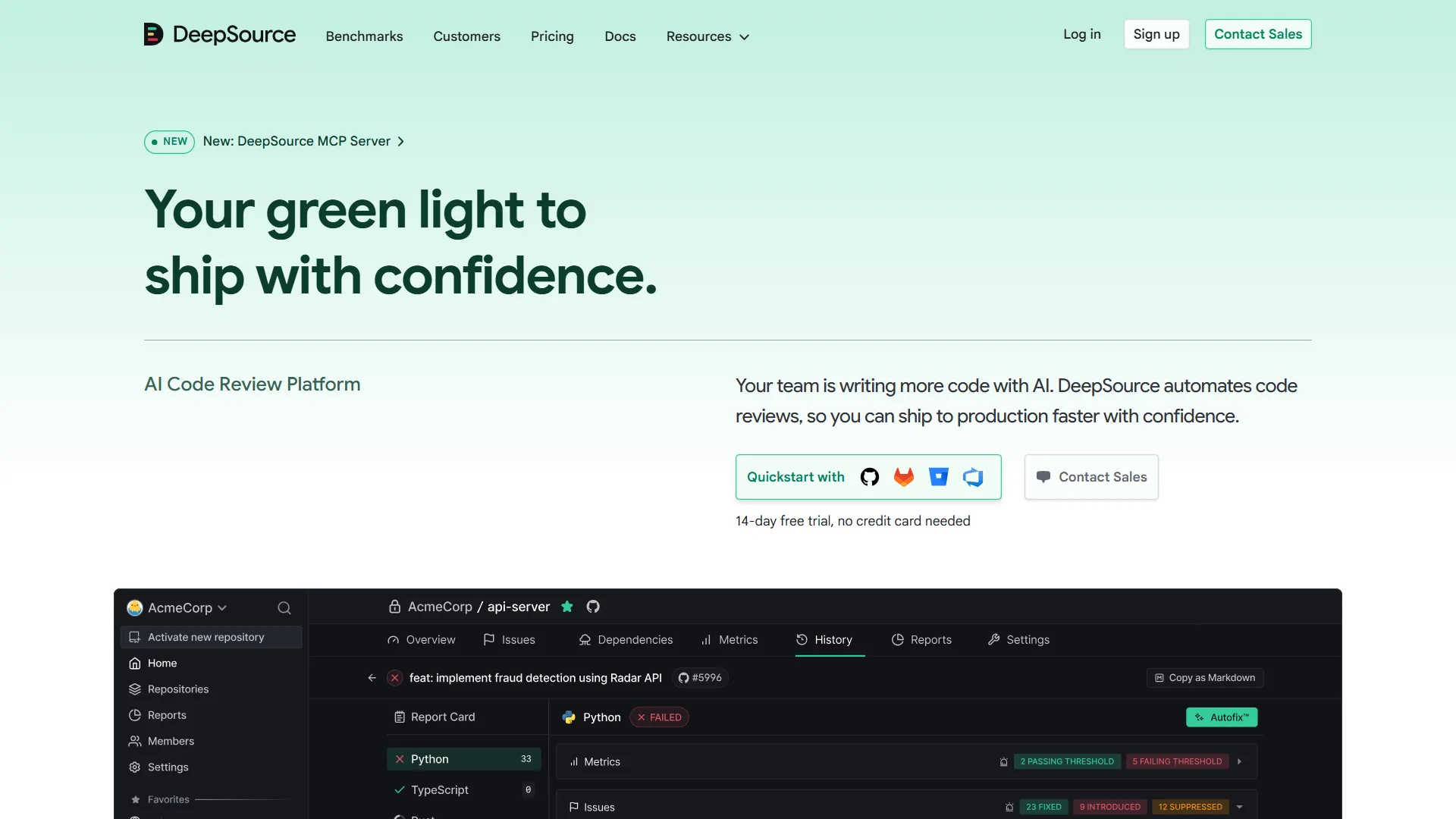
DeepSource blends static analysis with AI-assisted code review automation.
Its biggest strength is maintaining long-term code health. Instead of focusing only on immediate bugs, DeepSource helps teams reduce technical debt over time.
Benefits include:
- Continuous code quality monitoring
- Security vulnerability detection
- Automated fixes
- Multi-language support
- Technical debt reduction
For mature engineering teams, this long-term maintainability focus is extremely valuable.
What Actually Matters in an AI Code Review Tool?
Most developers evaluate these tools incorrectly.
The real question is not “Which AI reviewer catches the most bugs?” The real question is whether the tool improves engineering velocity without destroying developer trust.
Bad AI review systems create noise. Good systems reduce cognitive load.
The best platforms in 2026 share several characteristics:
- Context-aware reasoning
- Low false-positive rates
- Clear explanations
- Strong repository understanding
- Workflow integration
- Fast feedback loops
Teams that ignore these factors often abandon AI review tools after initial excitement fades.
The Future of AI Code Reviews
AI code review is rapidly becoming a standard part of the software development lifecycle.
But the market is still early.
Most tools today are transitioning from “smart linting” into fully autonomous engineering assistants capable of understanding architecture, business logic, testing strategy, and deployment risks.
The biggest winners will not simply automate reviews. They will become collaborative engineering intelligence systems.
For developers and companies shipping software at scale, adopting the right AI review stack in 2026 is becoming less of a competitive advantage and more of a requirement.