

AI image generators have changed how people create digital art. Instead of starting with a blank canvas, you can describe an idea in natural language and let an AI model turn that description into an image.
In 2026, the best AI image generators can create photorealistic scenes, illustrations, concept art, product visuals, posters, logos, and highly stylized artwork. The biggest names include Midjourney, ChatGPT, Google Gemini, Adobe Firefly, Ideogram, Recraft, and Leonardo AI. Different tools excel at different types of creative work.
1. Midjourney
Best for: Artistic and cinematic images
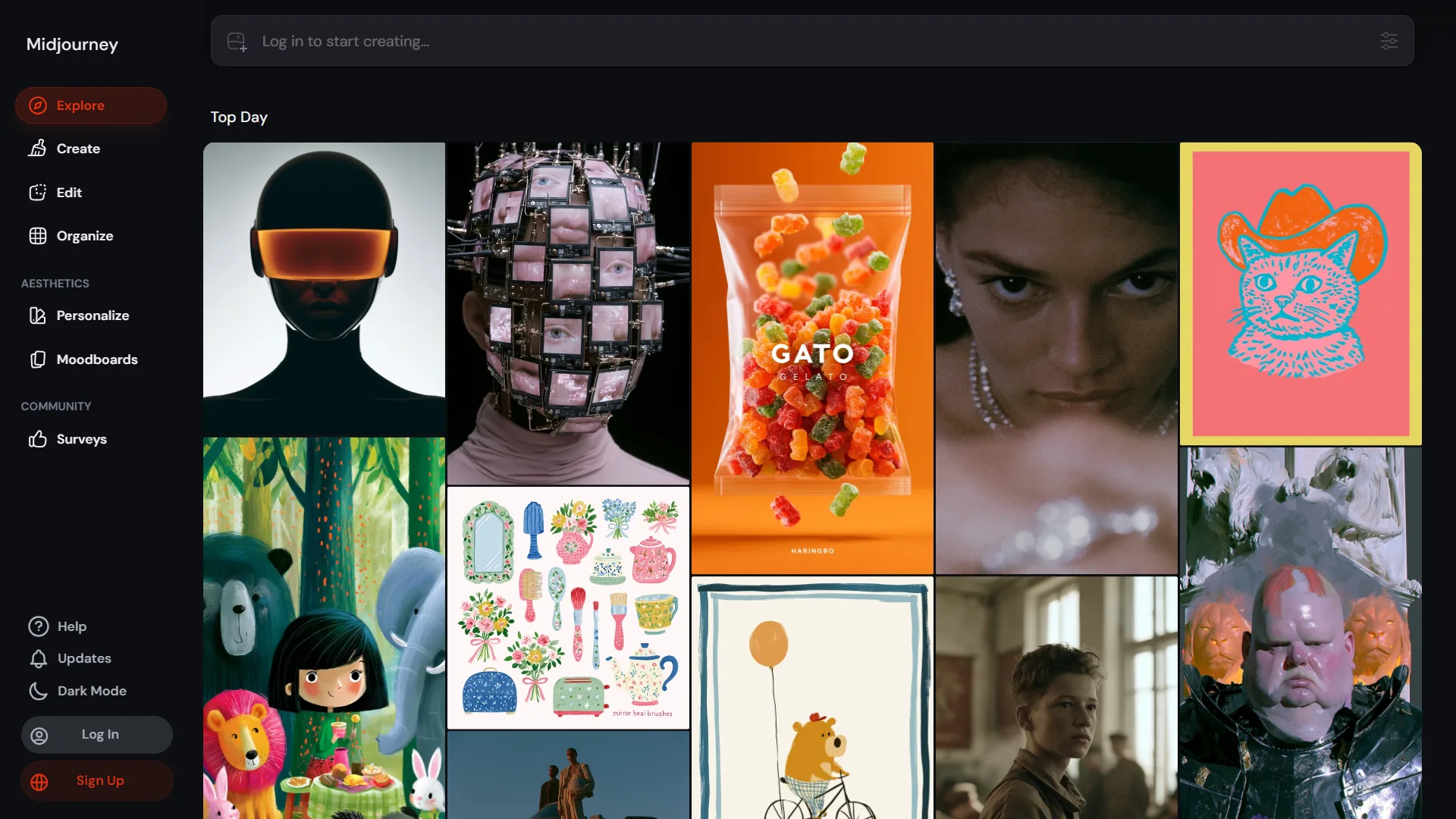
Midjourney remains one of the most recognizable names in AI art. Its biggest strength is visual quality. The platform is particularly good at producing artistic, atmospheric, cinematic, and highly stylized images.
You can use it for fantasy artwork, character concepts, editorial imagery, landscapes, fashion concepts, and other visually rich projects.
Recent 2026 comparisons continue to rank Midjourney among the strongest options for artistic output.
Why Midjourney stands out
- Strong artistic quality
- Excellent visual styles
- Cinematic-looking compositions
- Useful for concept art
- Large creative community
- Good choice for visual experimentation
Best for: Artists, designers, creators, and anyone who wants visually striking AI artwork.
2. ChatGPT Image Generation
Best for: Easy image creation and editing
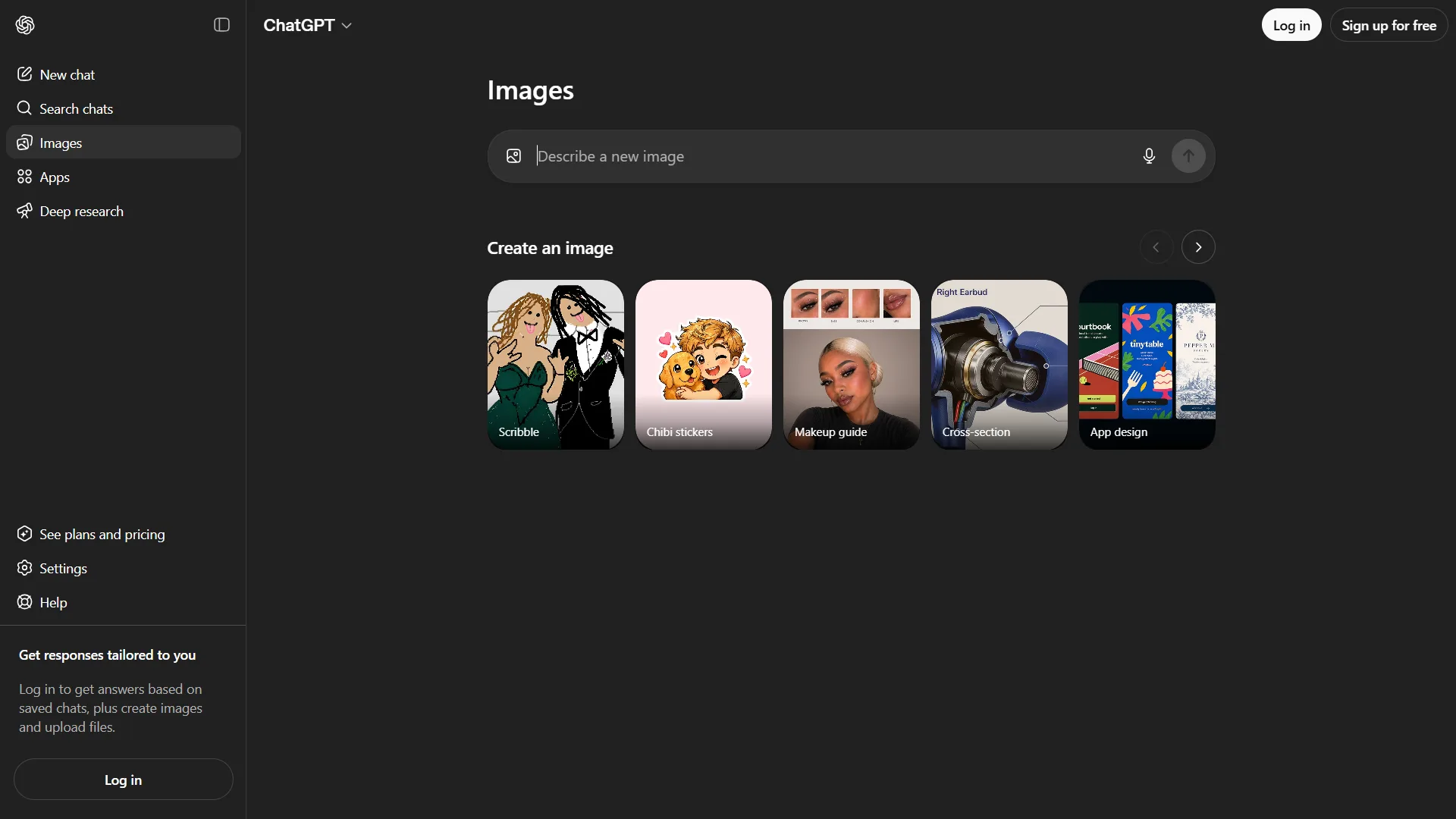
ChatGPT is useful if you want to create images through a conversational workflow. Instead of learning a complicated interface, you can describe what you want, review the result, and ask for changes using natural language.
This is especially convenient for brainstorming concepts, creating illustrations, developing visual ideas, and making iterative edits.
Current comparisons also highlight ChatGPT’s strength in prompt understanding and conversational image workflows.
Why ChatGPT stands out
- Natural-language prompting
- Easy for beginners
- Conversational editing
- Useful for illustrations and concepts
- Good for iterating on an idea
- Works well when image generation is part of a broader AI workflow
Best for: Beginners, marketers, writers, students, and creators who want a simple way to turn ideas into images.
3. Google Gemini
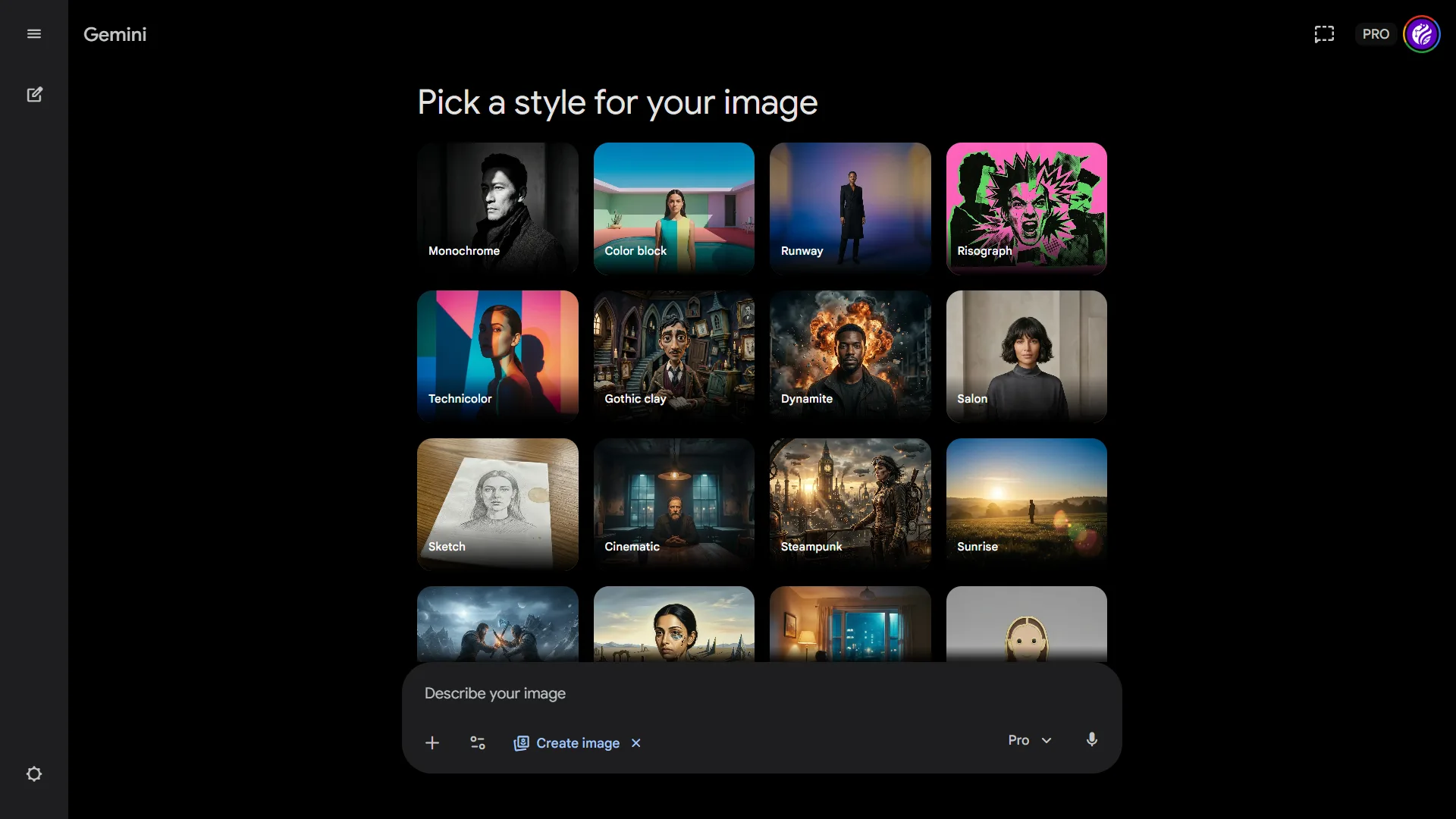
Best for: Photorealistic images and editing
Google’s image-generation technology has become a major competitor in the AI image space. Google’s current image models are particularly notable for photorealistic generation, text rendering, and image editing.
Recent 2026 comparisons identify Google’s Nano Banana family as a strong choice for photorealism, text, and conversational editing.
You can describe an image, make adjustments, and refine the result through a conversational workflow.
Why Google Gemini stands out
- Strong prompt understanding
- Photorealistic results
- Good text rendering
- Conversational editing
- Useful for modifying existing images
- Convenient for people already using Google’s AI ecosystem
Best for: Photorealistic scenes, creative concepts, image editing, and users who want conversational control.
4. Adobe Firefly
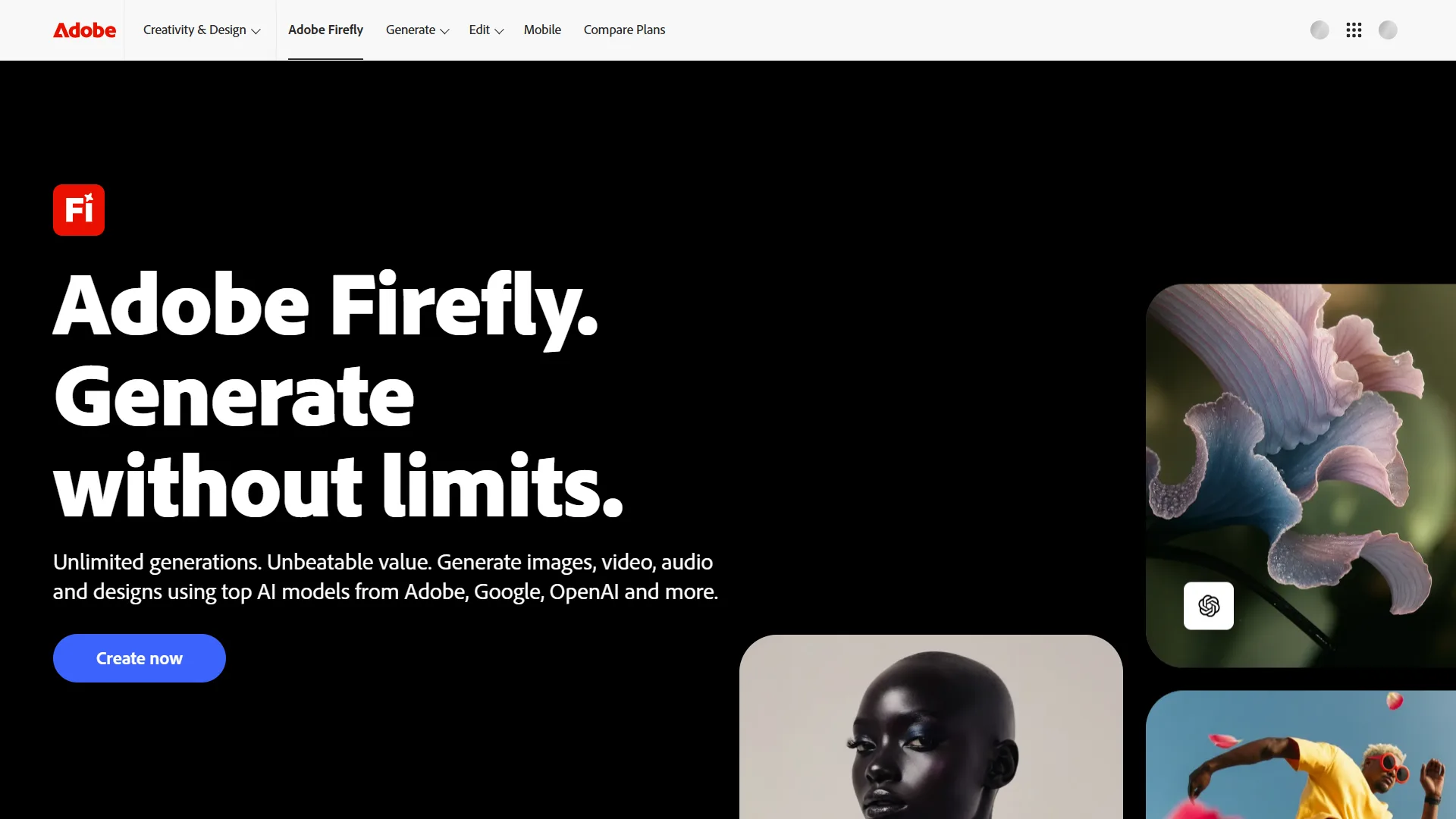
Best for: Designers and professional creative work
Adobe Firefly is designed with creative professionals in mind. It works particularly well when AI generation is part of a broader design workflow involving Adobe products.
You can generate images from text prompts and use generative features to modify or expand images.
One of Firefly’s major advantages is its integration with Adobe’s creative ecosystem. Current comparisons also highlight it as a strong choice for commercial workflows and integrating generated images into existing designs.
Why Adobe Firefly stands out
- Designed for creative professionals
- Strong Adobe ecosystem integration
- Useful image-generation features
- Helpful for editing and compositing
- Suitable for marketing and design workflows
- Commercial-use considerations are clearly addressed by Adobe
Best for: Designers, marketers, businesses, and Adobe users.
5. Ideogram
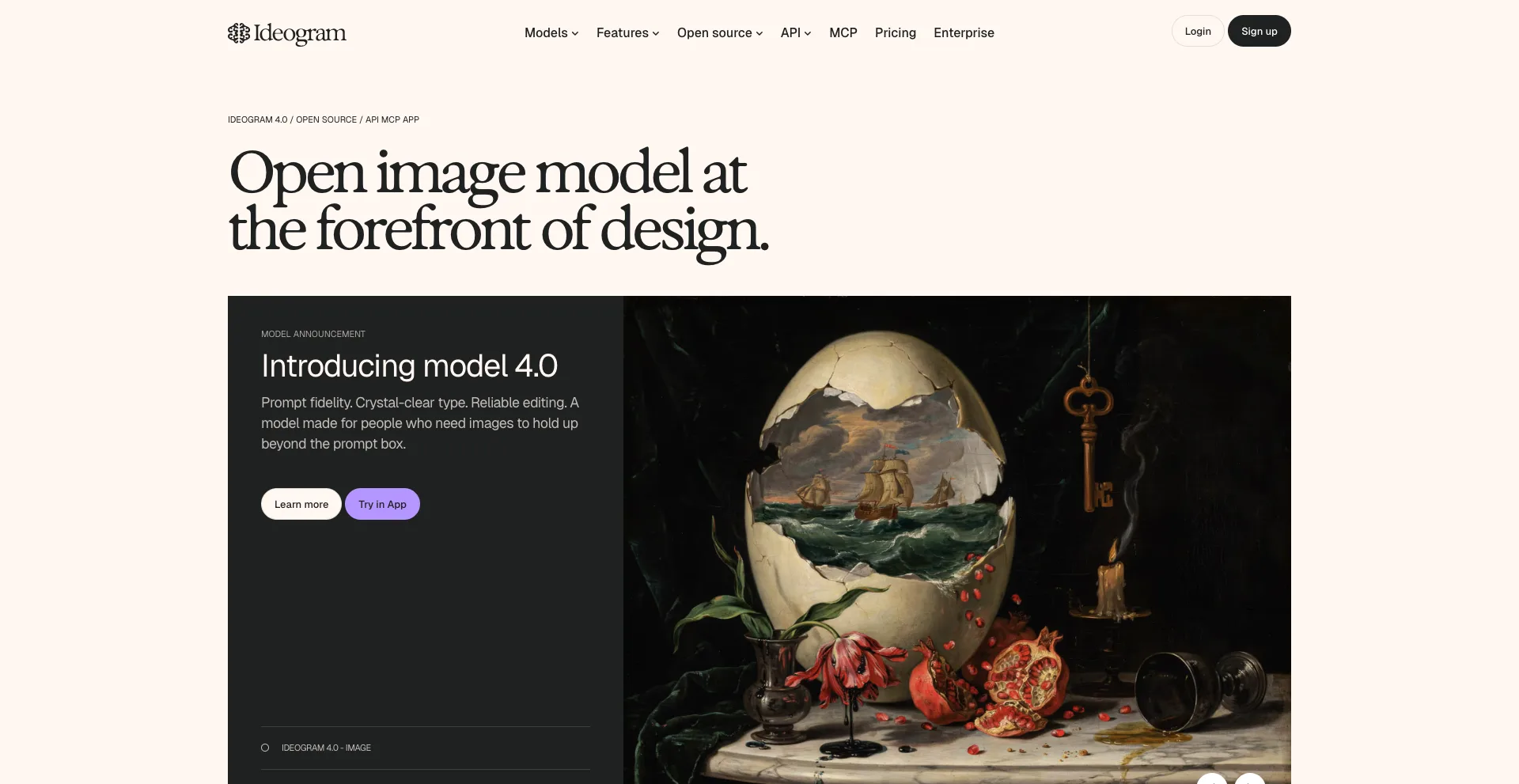
Best for: Images containing text
Ideogram has built a strong reputation for generating images where typography and written words matter.
That makes it particularly useful for posters, social media graphics, advertisements, thumbnails, logos, signs, and other designs that require readable text.
Current AI image-generator comparisons continue to identify Ideogram as a leading option for text-heavy visuals and typography.
Why Ideogram stands out
- Strong text rendering
- Useful for posters
- Good for typography
- Helpful for social graphics
- Suitable for logos and branding concepts
- Easy text-to-image workflow
Best for: Marketers, designers, social media creators, and anyone creating graphics with prominent text.
6. Recraft
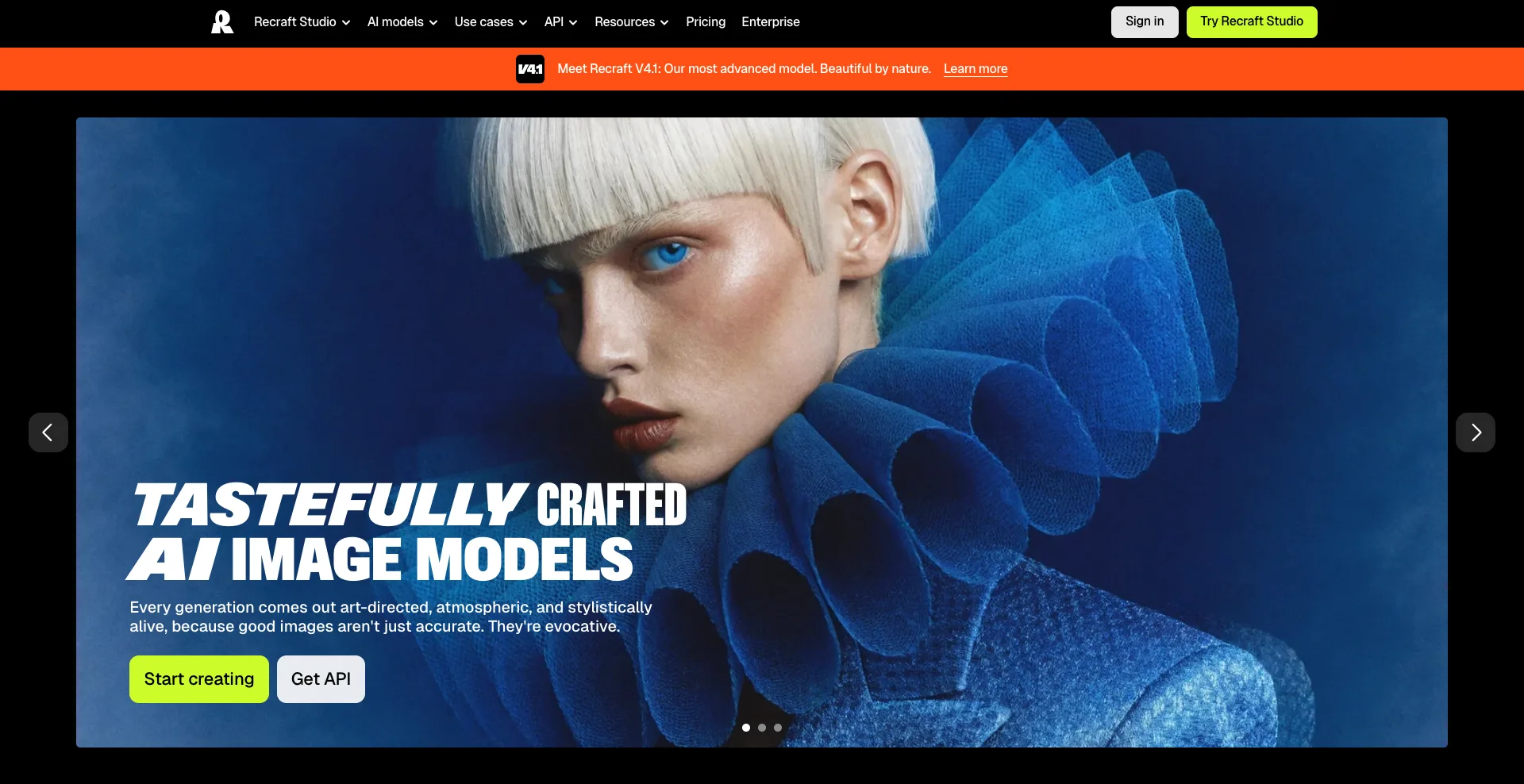
Best for: Graphic design and vector-style artwork
Recraft is particularly interesting for people who need more than decorative AI artwork. The platform focuses heavily on design, making it useful for illustrations, icons, branding concepts, graphics, and vector-style assets.
Current comparisons rank Recraft highly for graphic design, with its ability to produce vector and SVG-style outputs being an important differentiator.
Why Recraft stands out
- Strong graphic-design focus
- Useful for illustrations
- Vector and SVG capabilities
- Good for branding concepts
- Helpful for icons and visual assets
- Strong creative control
Best for: Graphic designers, brand creators, marketers, and people creating visual assets for digital products.
7. Leonardo AI
Best for: Concept art and creative assets
Leonardo AI is a versatile platform for generating artwork, illustrations, characters, and creative assets.
It has been particularly popular among people creating concept art, game assets, characters, and stylized visuals. Current comparisons continue to identify Leonardo as a useful choice for creative assets and concept art.
Why Leonardo AI stands out
- Strong concept-art capabilities
- Character creation
- Useful creative presets
- Good for game assets
- Supports multiple creative styles
- Accessible to beginners
Best for: Game designers, digital artists, illustrators, and creators developing characters or visual concepts.
Which AI Image Generator Should You Choose?
There is no single best AI image generator for every project. Your choice should depend on what you want to create.
| AI Tool | Best For |
|---|---|
| Midjourney | Artistic and cinematic images |
| ChatGPT | Easy generation and conversational editing |
| Google Gemini | Photorealism and image editing |
| Adobe Firefly | Professional design workflows |
| Ideogram | Text and typography |
| Recraft | Graphic design and vector artwork |
| Leonardo AI | Concept art and creative assets |
If your priority is pure visual artistry, start with Midjourney.
For easy conversational image creation, ChatGPT is a strong choice.
If you need photorealistic visuals, Google Gemini is worth exploring. For professional design, Adobe Firefly and Recraft are particularly useful.
And if your image needs readable text, Ideogram is one of the strongest options to consider.
How to Create Better AI Images
The quality of your results depends heavily on how clearly you describe your idea.
Instead of:
“A futuristic city.”
Try something more specific:
“A futuristic African megacity at sunset, viewed from a rooftop, glass skyscrapers reflecting golden light, busy streets below, cinematic composition, realistic architecture, atmospheric depth.”
A useful prompt can describe:
- Subject: What should appear?
- Setting: Where is the scene?
- Style: Photorealistic, illustration, watercolor, 3D, etc.
- Lighting: Sunrise, studio lighting, dramatic shadows, neon light
- Composition: Close-up, wide shot, overhead view
- Mood: Calm, mysterious, energetic, futuristic
You can then refine the image by changing one element at a time. This often makes it easier to understand which instructions affect the result.
Final Thoughts
AI image generators have become powerful creative tools rather than simple novelty apps. The best platforms can produce everything from cinematic artwork and realistic scenes to posters, illustrations, branding concepts, and design assets.
Midjourney is a strong choice for artistic visuals, ChatGPT makes conversational creation simple, Google Gemini is impressive for photorealistic images and editing, and Adobe Firefly fits naturally into professional design workflows. Ideogram is especially useful for typography, while Recraft focuses on graphic design and Leonardo AI works well for concept art and creative assets.
The best way to find your favorite is to give several tools the same prompt and compare the results. Your ideal AI art generator will ultimately depend on your preferred style, workflow, level of control, and the type of images you create. You may also like to read: 7 Best Text to Video AI Tools That Actually Work.