


If you’re serious about building a credible online presence, your domain name is not just a technical detail—it’s a strategic asset.
Yet most entrepreneurs overlook one critical decision: which domain extension to use.
Everyone defaults to “.com” without thinking. That’s lazy—and in many cases, it’s costing you trust, visibility, and revenue.
One alternative that’s often underestimated is the .uk domain.
So let’s break this down properly.
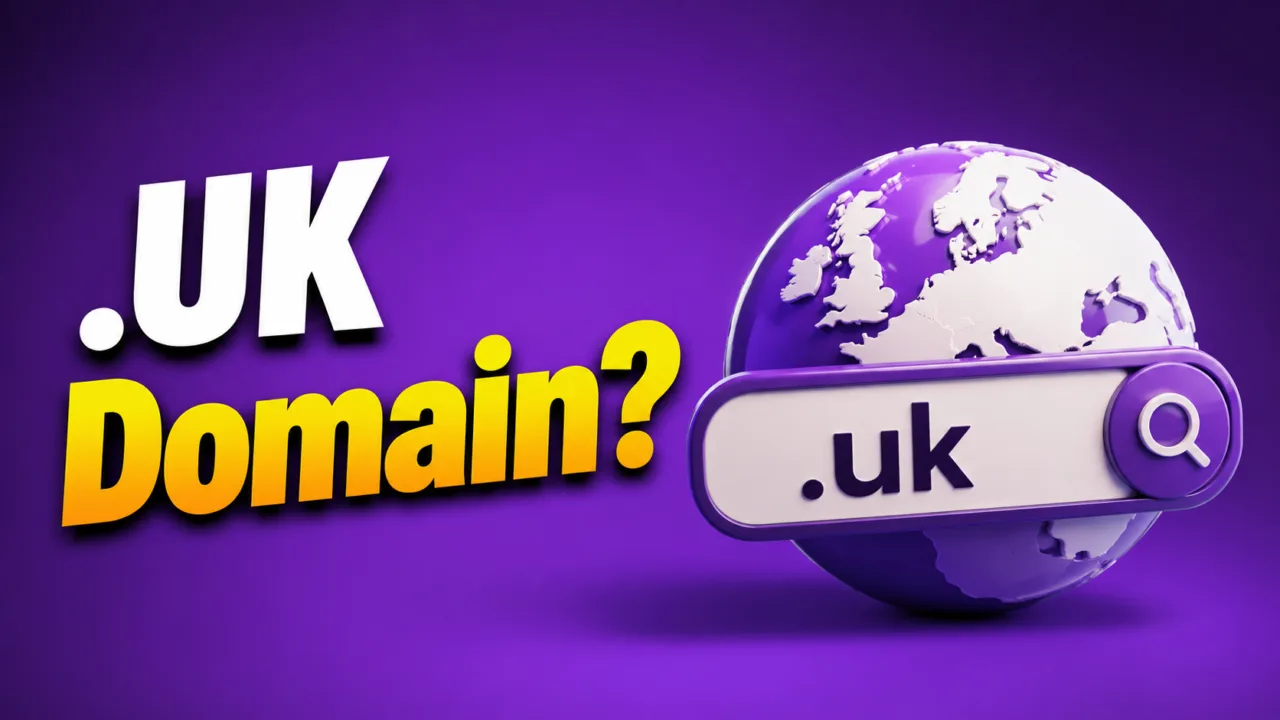
What Is a .UK Domain?
A .uk domain is a country-code top-level domain (ccTLD) specifically assigned to the United Kingdom.
Instead of ending your website with “.com,” your domain ends with .uk—for example:
- yourbusiness.uk
- brandname.uk
It signals one thing immediately: this business is connected to the UK.
There are also variations like:
- .co.uk (most common historically)
- .org.uk (non-profits)
- .ac.uk (academic institutions)
But the newer, shorter .uk domain is now widely used for branding because it’s cleaner and more modern.
Why This Matters More Than You Think
Let’s be blunt.
Your domain is not just an address—it’s a trust signal, positioning tool, and SEO lever.
And if you’re targeting UK customers (or planning to), using a generic domain like “.com” can actually weaken your positioning.
Here’s why.
1. Stronger Local Trust and Credibility
People trust what feels local.
When someone in the UK sees a .uk domain, it immediately communicates:
- This business operates in the UK
- Pricing, shipping, and services are relevant to them
- There’s less risk compared to foreign or unknown brands
Compare these two:
- bestservicesglobal.com
- bestservices.uk
The second one feels more relevant and trustworthy to a UK audience. That matters—especially when customers are deciding in seconds.
If your business depends on conversions, trust is currency.
2. Better Local SEO Performance
Search engines like Google use domain extensions as geo-targeting signals.
A UK website domain tells search engines:
“This website is specifically relevant to users in the United Kingdom.”
That can improve your visibility for UK-based searches like:
- “best marketing agency UK”
- “web design services London”
If you’re competing in a crowded market, this advantage is not optional—it’s leverage.
Ignoring it is basically choosing to compete harder than necessary.
3. Cleaner, Stronger Branding
Shorter domains win. Always.
A .uk domain gives you access to cleaner brand names that might already be taken in “.com”.
Example:
- sparktopus.com → possibly unavailable
- sparktopus.uk → potentially available and cleaner
A short, direct domain:
- is easier to remember
- looks more premium
- reduces typing errors
If your brand name is strong, your domain should not dilute it.
4. Competitive Advantage in the UK Market
Here’s the uncomfortable truth:
Most businesses are still stuck in outdated thinking.
They chase “.com” even when it doesn’t fit their market.
That creates an opportunity for you.
By using a UK business domain, you:
- position yourself as local-first
- differentiate from generic global competitors
- build stronger resonance with your target audience
In competitive markets, small perception advantages compound into real revenue.
5. Availability of Better Domain Names
Let’s be practical.
The “.com” space is overcrowded. Most good names are:
- taken
- overpriced
- or awkwardly modified (adding hyphens, numbers, etc.)
That’s not branding—that’s compromise.
With a .uk domain, you often get:
- shorter names
- cleaner spelling
- stronger brand identity
And that directly impacts marketing performance.
When You Should Use a .UK Domain
Let’s not pretend this is for everyone.
A .uk domain makes sense if:
- You target customers in the UK
- You offer location-specific services
- You want to build trust in the UK market
- You’re expanding into the UK
If your business is global with no geographic focus, “.com” might still be useful.
But if the UK is even a secondary market, ignoring a UK domain is a strategic mistake.
You may also like to read: 10 Best Web Hosting Providers of 2026 (Unbiased Review).
Common Misconceptions (That Hurt Businesses)
“.com is always better”
No. It’s just more common.
Better depends on your market strategy, not tradition.
“Customers don’t care about domain extensions”
They don’t consciously think about it—but they feel it.
And those micro-perceptions affect trust, clicks, and conversions.
“I can just use any domain”
You can. But then don’t expect optimized results.
Serious businesses optimize every layer—including domain strategy.
.UK vs .CO.UK: Which One Should You Choose?
This is where most people get confused.
- .co.uk → traditional, widely recognized
- .uk → shorter, modern, brand-focused
If you want authority and familiarity, go with .co.uk.
If you want a clean, premium brand, go with .uk.
The smartest move?
Secure both and redirect one to the other.
That way, you protect your brand and maximize flexibility.
The Real Question: Are You Building or Just Existing?
Choosing a domain is not about preference—it’s about positioning.
If you’re building a serious business, every decision should answer one question:
Does this increase trust, visibility, and conversion?
A UK domain name does exactly that—when used correctly.
If you ignore it, you’re not saving effort—you’re losing leverage.
Final Thoughts
A .uk domain is not just a technical option—it’s a strategic asset for businesses targeting the UK market.
It improves:
- trust
- local SEO UK performance
- branding
- market positioning
And in a world where attention is short and competition is aggressive, those advantages matter.
Work With Sparktopus
Most businesses don’t fail because of lack of effort—they fail because of poor positioning and weak digital foundations.
That’s where Sparktopus comes in.
We don’t just build websites.
We engineer high-performing digital systems that:
- convert visitors into customers
- rank in competitive markets
- position your brand as authority
If you’re serious about scaling your business and dominating your niche, don’t gamble with guesswork.
Book your service with Sparktopus today—and build it right from the start.