


Artificial intelligence changed dramatically when ChatGPT entered the public spotlight.
Before ChatGPT, AI was often viewed as a specialized technology used mainly by researchers, developers, and large tech companies. After ChatGPT, AI became mainstream almost overnight.
Students used it for learning.
Businesses used it for productivity.
Developers used it for coding.
Creators used it for content generation.
The launch of ChatGPT did not simply introduce another software product. It accelerated the global adoption of generative AI and fundamentally changed how people interact with technology.
What Is ChatGPT?
ChatGPT is a conversational AI assistant developed by OpenAI.
It is built on the company’s GPT (Generative Pre-trained Transformer) models, which are large language models trained on massive amounts of text data to understand and generate human-like responses.
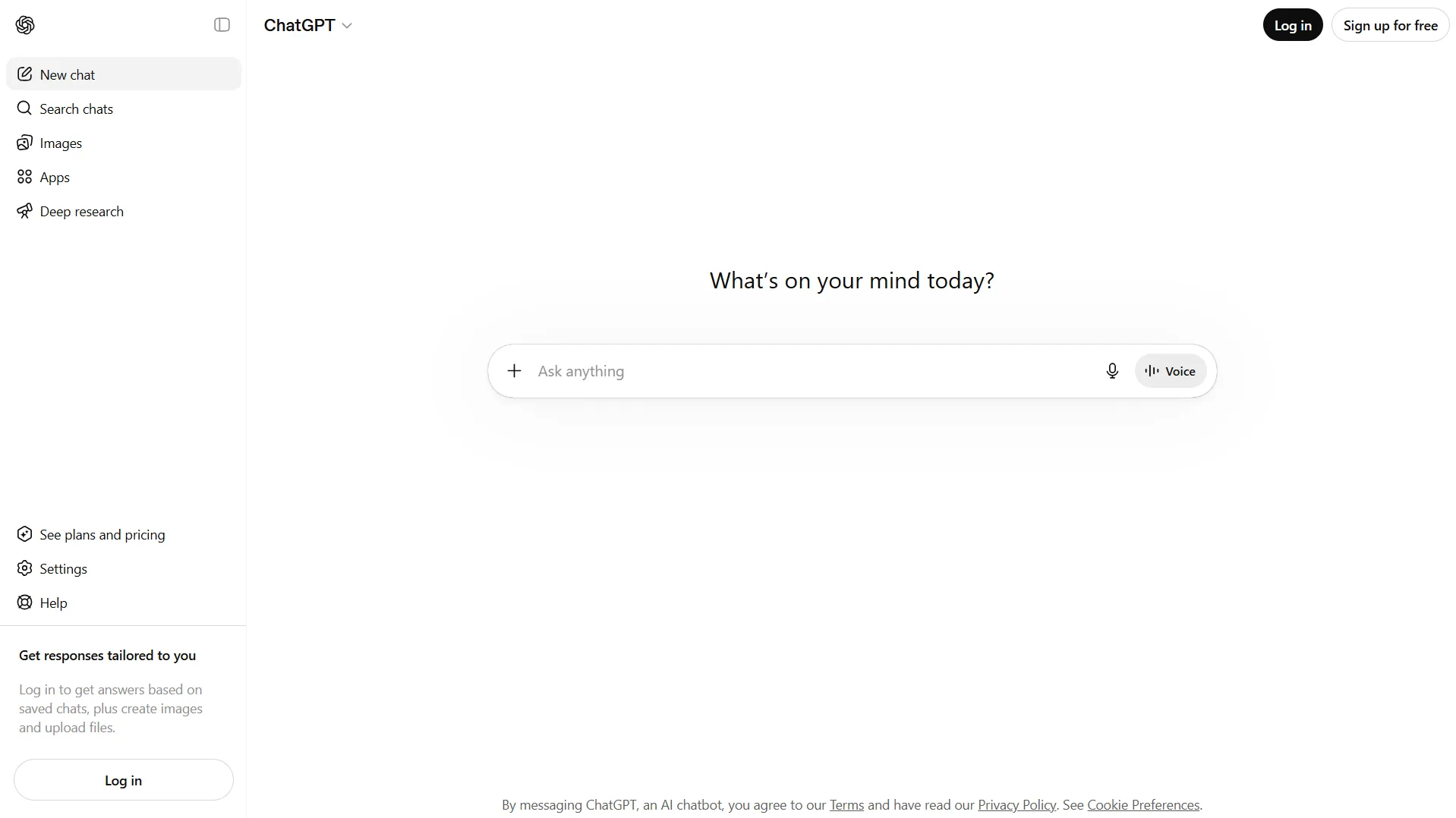
Unlike traditional software interfaces, ChatGPT allows users to interact using natural conversation.
People can ask questions, brainstorm ideas, write content, solve problems, analyze information, and generate code through a chat interface.
This simplicity became one of its biggest advantages.
ChatGPT made advanced AI accessible to everyday users without requiring technical expertise.
The Origins of ChatGPT
The foundations of ChatGPT began years before its public launch.
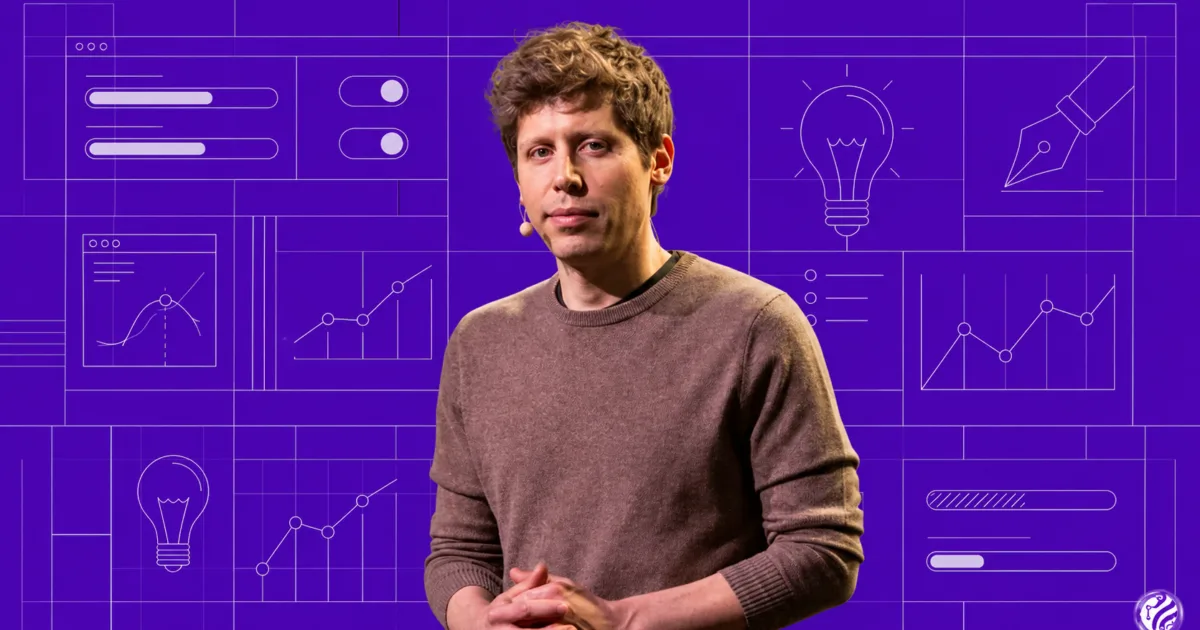
OpenAI was founded in 2015 by figures including:
The organization’s mission centered on ensuring artificial general intelligence benefits humanity.
Over time, OpenAI focused heavily on large language models and deep learning research.
The GPT series became the technological backbone that eventually powered ChatGPT.
Earlier GPT models demonstrated impressive text generation abilities, but ChatGPT introduced a more refined conversational experience optimized for dialogue, usability, and broad public interaction.
The Launch That Changed AI
When ChatGPT launched publicly in late 2022, adoption exploded at unprecedented speed.
Millions of users joined within days.
The product quickly became one of the fastest-growing consumer applications in history.
What made ChatGPT different was not only its intelligence.
It was accessibility.
For the first time, ordinary users could interact directly with a highly capable AI system through simple conversation.
This shifted public perception of artificial intelligence dramatically.
AI stopped feeling abstract.
It became practical.
The Rise of Generative AI
ChatGPT became the face of generative AI.
Generative AI refers to systems capable of creating original content such as:
- Text
- Images
- Code
- Audio
- Video
These systems analyze patterns from large datasets and generate new outputs based on prompts and context.
ChatGPT demonstrated how powerful generative AI could become in real-world workflows.
Businesses quickly realized AI could assist with:
- Customer support
- Marketing
- Research
- Coding
- Writing
- Data analysis
- Productivity tasks
This triggered a massive global AI race.
Technology companies rapidly accelerated AI investments, product launches, and infrastructure development in response to ChatGPT’s success.
Why ChatGPT Became So Popular
Several factors contributed to ChatGPT’s rapid growth.
Ease of Use
Unlike many AI systems that required technical skills, ChatGPT worked through simple conversation.
This lowered the barrier to adoption dramatically.
Versatility
ChatGPT could assist across many domains, including:
- Education
- Business
- Programming
- Creativity
- Research
- Communication
This broad usefulness made it valuable for both individuals and organizations.
Speed and Productivity
Many users realized AI could significantly reduce time spent on repetitive tasks.
Writers drafted content faster.
Developers debugged code quicker.
Businesses streamlined workflows.
The productivity advantage became difficult to ignore.
ChatGPT’s Mission and Vision
ChatGPT reflects OpenAI’s broader mission of developing artificial intelligence that benefits humanity.
The company aims to build increasingly capable AI systems while addressing challenges related to:
- Safety
- Alignment
- Reliability
- Responsible deployment
As AI systems become more powerful, ensuring they behave predictably and responsibly becomes increasingly important.
This balance between capability and safety remains one of the central challenges in the AI industry today.
The Competitive AI Landscape
ChatGPT’s success transformed the competitive technology landscape.
Major companies rapidly entered the generative AI race, including:
- Google DeepMind
- Anthropic
- Meta
- Microsoft
- xAI
AI development became one of the most competitive sectors in the global economy.
Competition now extends beyond model intelligence into areas such as:
- Infrastructure
- Enterprise adoption
- AI safety
- Developer ecosystems
- Productivity integration
How ChatGPT Changed Business
ChatGPT accelerated AI adoption across nearly every industry.
Entrepreneurs began using AI for content creation and automation.
Developers integrated AI into software workflows.
Companies explored AI-powered customer support and analytics.
The shift was not incremental.
It was structural.
Businesses increasingly moved from asking whether they should use AI to asking how quickly they could integrate it.
This created a major transformation in how work itself is performed.
The Future of ChatGPT and Generative AI
ChatGPT represents only the early stage of a much larger AI transformation.
Future AI systems will likely become:
- More personalized
- More autonomous
- More multimodal
- More integrated into daily workflows
Generative AI is expected to influence education, healthcare, entertainment, finance, software development, and many other industries at scale.
The long-term implications remain enormous.
The Bigger Picture
ChatGPT did more than popularize AI.
It changed expectations about what software can do.
For decades, humans adapted themselves to software interfaces.
ChatGPT reversed that dynamic by allowing software to communicate more naturally with humans.
That shift may ultimately become one of the defining technological transitions of the modern era.
The rise of generative AI is no longer a future prediction.
It is already reshaping the world.
Official website: www.chatgpt.com